The Impact of Social Media on Teen Communication and Interaction
Gusti Ayu Tita P
1 Agustus 2026
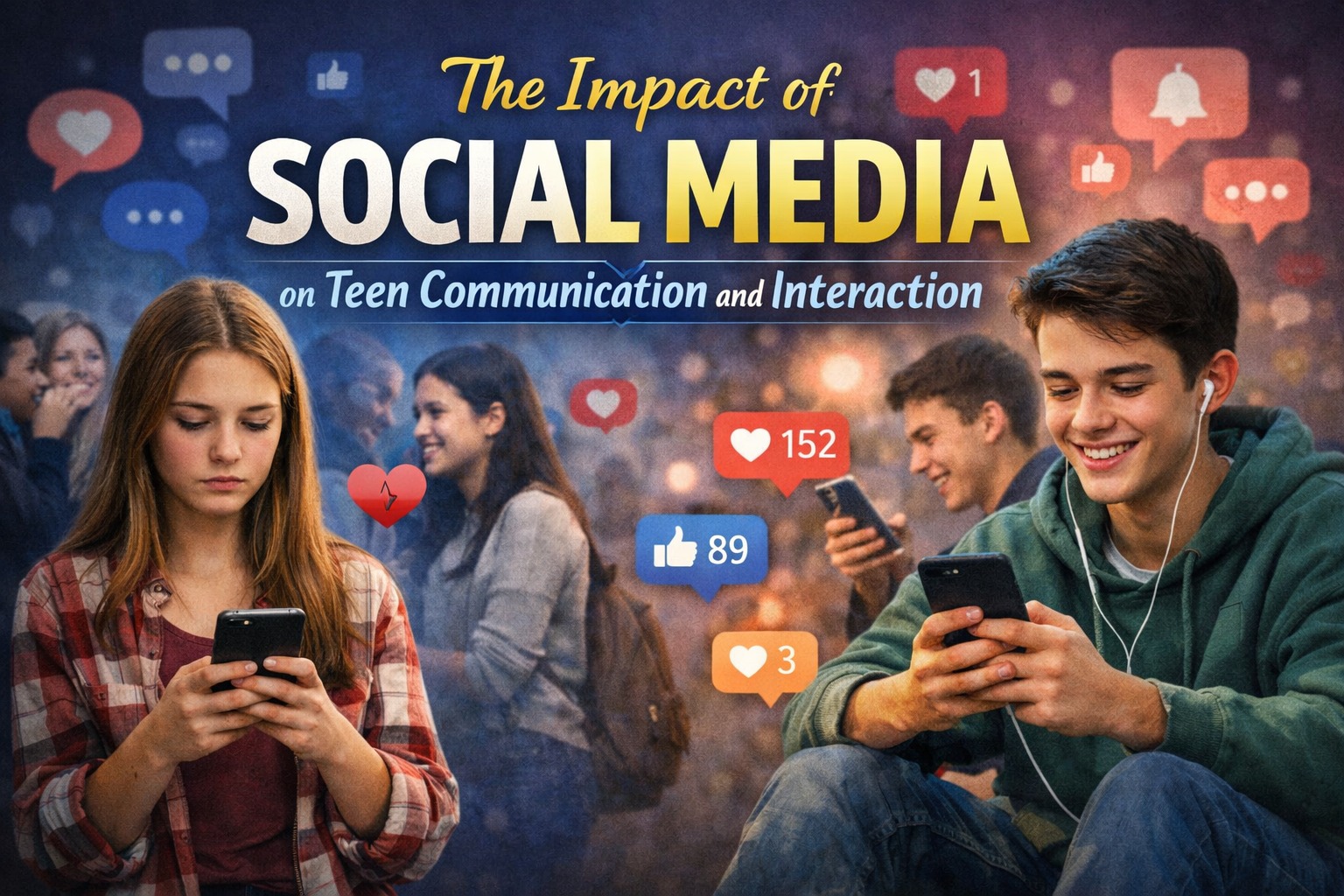
Social media has become an essential part of daily life for teenagers around the world. Platforms such as Instagram, TikTok, Snapchat, and Facebook allow young people to communicate instantly, share experiences, and stay connected with friends and family. The rapid growth of digital technology has transformed the way teenagers interact with others, creating both opportunities and challenges. Understanding the impact of social media on teen communication and interaction is important for parents, educators, and teenagers themselves.
HOW SOCIAL MEDIA CHANGES TEEN COMMUNICATION
Social media has significantly changed the way teenagers communicate. Instead of relying solely on face-to-face conversations or phone calls, many teens now prefer messaging apps and social networking platforms. This allows them to communicate quickly and stay connected regardless of distance. Instant communication has made it easier for teenagers to maintain friendships and exchange information in real time.
At the same time, social media has introduced new communication styles. Teenagers often use emojis, GIFs, abbreviations, and multimedia content to express emotions and ideas. While these tools make conversations more engaging, they can sometimes reduce the depth of communication and lead to misunderstandings when messages lack context or tone.
POSITIVE EFFECTS ON SOCIAL INTERACTION
One of the most significant benefits of social media is its ability to help teenagers build and maintain relationships. Through online platforms, teens can connect with classmates, relatives, and friends from different locations. Social connectivity enables them to strengthen friendships and feel part of a larger community.
Social media also provides opportunities for self-expression and creativity. Teenagers can share their thoughts, talents, and achievements with a wider audience. This can boost self-confidence and encourage personal growth when used responsibly. In addition, online communities allow teens to find support from people who share similar interests and experiences.
CHALLENGES AND RISKS OF SOCIAL MEDIA USE
Despite its advantages, social media can present several challenges for teenagers. Excessive use may reduce face-to-face interactions, making it harder for some teens to develop strong interpersonal skills. Spending too much time online can also affect academic performance and reduce participation in offline activities.
Another concern is cyberbullying, which has become a common issue on many social platforms. Negative comments, online harassment, and social pressure can impact a teenager’s emotional well-being. Furthermore, exposure to unrealistic lifestyles and edited images may contribute to low self-esteem and increased anxiety among young users.
THE ROLE OF SOCIAL MEDIA IN SHAPING RELATIONSHIPS
Social media influences how teenagers form and maintain relationships. It allows them to communicate frequently and stay informed about their friends' lives. This constant connection can strengthen social bonds and help teens feel supported during difficult times.
However, online interactions sometimes replace meaningful in-person communication. Relationships that rely heavily on digital communication may lack emotional depth and understanding. Teenagers need to balance online and offline interactions to build healthy and lasting relationships based on trust and genuine connection.
STRATEGIES FOR HEALTHY SOCIAL MEDIA USE
Developing healthy social media habits is essential for teenagers. Setting reasonable screen time limits can help prevent excessive use and encourage participation in real-world activities. Parents and educators can play an important role by guiding teens toward responsible digital behavior and encouraging open conversations about online experiences.
Teenagers should also practice digital literacy by evaluating online content critically and protecting their privacy. Learning how to identify misinformation and manage online interactions responsibly can help them enjoy the benefits of social media while minimizing potential risks. A balanced approach supports both personal development and healthy communication skills.
CONCLUSION
Social media has transformed teen communication and interaction in many ways. It offers valuable opportunities for connection, creativity, and self-expression while also presenting challenges such as cyberbullying, social pressure, and reduced face-to-face communication. By promoting responsible usage and maintaining a healthy balance between online and offline activities, teenagers can benefit from social media without compromising their well-being. Understanding both the advantages and disadvantages of social media is key to fostering positive communication and stronger relationships in the digital age.
About the Author
Gusti Ayu Tita P
Author — STEKOM University
An active author focused on academic issues, educational technology, and human resource development in the campus environment.