
The Impact of Train Stations on Regional Economic Growth
Gusti Ayu Tita P
10 Agustus 2026
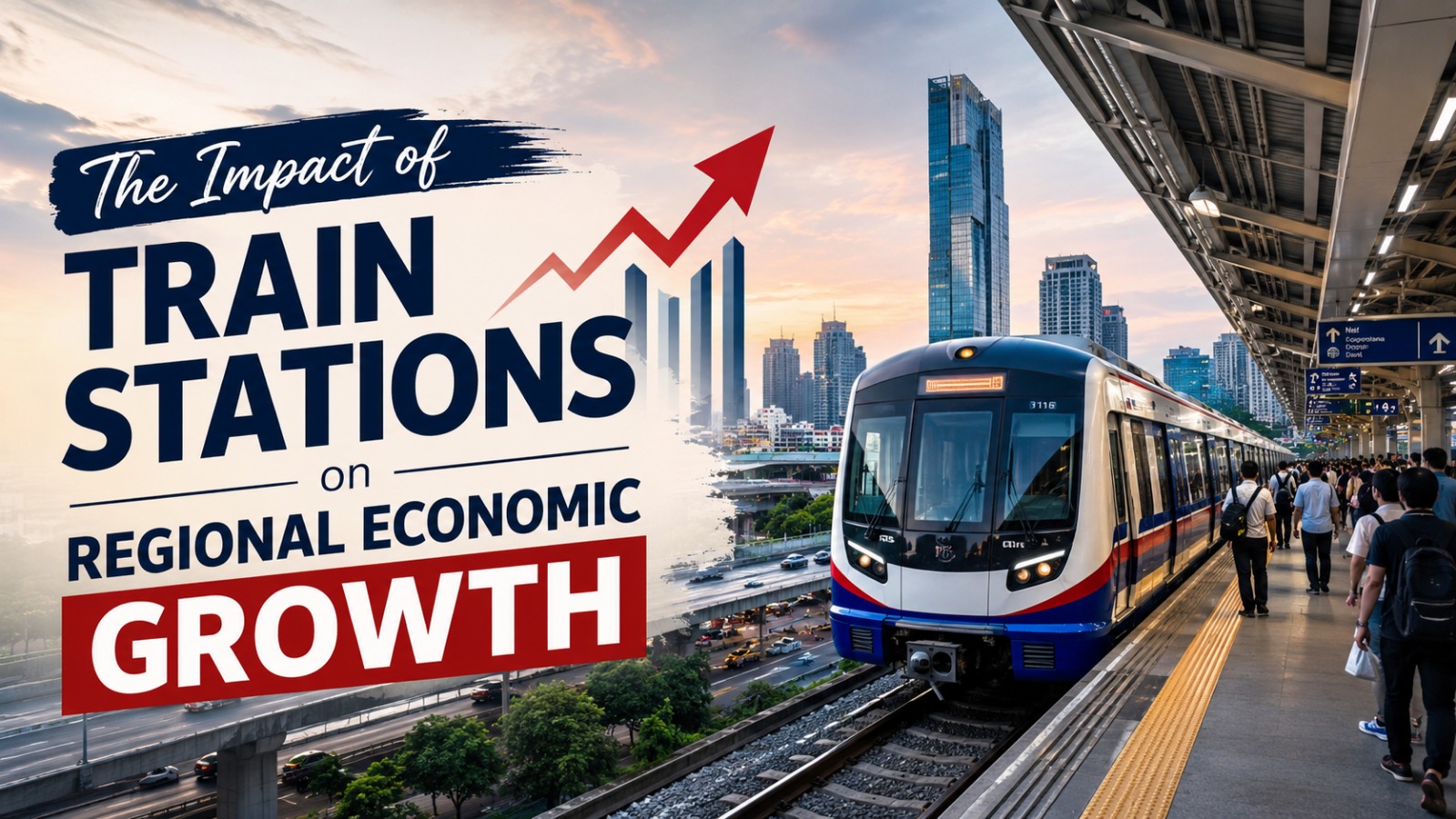
Train stations are important components of modern transportation infrastructure. Their influence extends beyond moving passengers from one destination to another because they can also support regional economic growth. Areas with reliable railway connections may become more accessible to businesses, workers, tourists, and investors. Improved accessibility can create new opportunities for commercial activities and employment. For this reason, train stations can become important drivers of economic and social development.
IMPROVING REGIONAL CONNECTIVITY
One of the most important economic benefits of a train station is improved regional connectivity. Railway services connect towns, cities, and economic centers, making it easier for people and goods to move between locations. Better connectivity can reduce travel barriers and allow businesses to reach a wider market. Workers can also travel more easily to employment centers outside their immediate communities. These connections can strengthen economic relationships between different regions.
Reliable railway transportation can be especially valuable for areas that previously had limited access to major cities. A new or improved station can make the surrounding region more accessible to visitors and businesses. Increased accessibility may encourage investment in commercial and residential development. However, economic benefits depend on factors such as service quality, frequency, infrastructure, and connections with other transportation modes. A station works best when it is part of a wider transportation network.
SUPPORTING LOCAL BUSINESSES
Train stations can attract significant numbers of passengers every day, creating opportunities for local businesses. Restaurants, cafés, convenience stores, hotels, retail shops, and other services may develop around busy stations. Passengers often need food, drinks, accommodation, transportation, or other products before and after their journeys. This creates a natural customer base for businesses located near railway facilities.
Small businesses can benefit from increased pedestrian activity around stations. Local entrepreneurs may open businesses that respond to the needs of commuters and visitors. In some cases, station areas can become commercial centers that generate additional employment opportunities. Passenger traffic can therefore stimulate local economic activity. The scale of this impact depends on the number of passengers and the quality of the surrounding commercial environment.
CREATING EMPLOYMENT OPPORTUNITIES
Railway development can create both direct and indirect employment. Train stations require workers for operations, maintenance, security, cleaning, ticketing, customer service, and management. Construction and renovation projects can also create temporary employment for workers and contractors. Additional jobs may emerge from businesses located around the station. This creates a wider economic effect beyond the railway operator itself.
As commercial activity grows, demand for services may increase. Restaurants may need additional employees, hotels may hire more staff, and transportation providers may expand their operations. Local residents can benefit when these opportunities are accessible to them. However, workforce development and appropriate training may be needed to ensure local communities can take advantage of new jobs. Employment growth is one of the important ways transportation infrastructure can influence regional economies.
ATTRACTING INVESTMENT
Good railway connections can make an area more attractive to investors. Businesses often consider transportation accessibility when deciding where to establish offices, stores, warehouses, or other facilities. A station can provide convenient access for employees and customers, particularly in densely populated areas. Improved connectivity can therefore contribute to increased interest in surrounding land and commercial development.
Investment can also encourage improvements to nearby infrastructure. Roads, sidewalks, public spaces, and public transportation services may be upgraded as an area becomes more economically active. These improvements can create additional benefits for local residents. However, development should be carefully managed to avoid excessive congestion, displacement, or unequal distribution of economic benefits. Strategic planning is essential for sustainable investment around railway stations.
SUPPORTING TOURISM
Train stations can play an important role in supporting regional tourism. Visitors often depend on public transportation to reach cultural attractions, historical sites, natural destinations, and urban centers. A convenient railway connection can make a destination easier to access, particularly for travelers who do not use private vehicles. Increased visitor numbers can generate income for hotels, restaurants, transportation providers, and local attractions.
Stations themselves can sometimes become part of a tourism experience. Historic station buildings may have architectural or cultural value and can attract visitors interested in local history. Tourist information services and clear connections to nearby attractions can further increase the station's value. Accessible railway transportation can strengthen the tourism economy by connecting destinations with wider travel networks.
INCREASING PROPERTY AND COMMERCIAL ACTIVITY
Areas near major train stations may experience changes in property and commercial development. Businesses may prefer locations with easy access to public transportation because they can attract customers and employees more easily. Residential developments may also be built near stations to provide convenient access to employment and education centers. This pattern can support more compact and connected urban development.
However, increased property demand can have both positive and negative effects. Rising land values may encourage investment but can also make housing and commercial space less affordable for some local residents. Local authorities should therefore consider affordability, community needs, and long-term urban planning. Economic growth should be balanced with social sustainability. Proper planning can help ensure that station development benefits a broad range of residents.
SUPPORTING SMALLER AND REGIONAL COMMUNITIES
Train stations are not only important in large cities. In smaller towns, a railway connection can provide access to larger markets, educational institutions, healthcare services, and employment centers. This can reduce geographic barriers and support regional economic inclusion. Local producers may also benefit from improved transportation connections that make it easier to reach customers in other areas.
Reliable rail services can help smaller communities maintain stronger relationships with major economic centers. Students may travel to schools or universities, workers can commute to nearby cities, and tourists can visit regional destinations more easily. These connections can support local businesses and encourage economic diversification. Regional railway access can therefore strengthen economic opportunities outside major urban centers.
THE ROLE OF STATION DESIGN AND URBAN PLANNING
The economic impact of a train station depends partly on how the surrounding area is designed. A station surrounded by unsafe roads, poor pedestrian access, or limited public transportation may not reach its full economic potential. Good station-area planning can connect the railway with shops, offices, housing, public spaces, buses, and walking routes. This creates an environment where passengers can move easily and businesses can benefit from station activity.
Integrated planning can also reduce unnecessary dependence on private vehicles. Walkable station areas may encourage people to spend more time and money in nearby businesses. Public spaces can make the surrounding area more attractive to residents and visitors. Transit-oriented development is one approach that seeks to coordinate transportation and land use around major transit facilities. When implemented carefully, this approach can support both mobility and economic development.
CHALLENGES OF ECONOMIC DEVELOPMENT
Although train stations can create economic opportunities, development does not automatically produce benefits for everyone. Large infrastructure projects can require significant investment and may create temporary disruption during construction. Increased passenger activity can also lead to traffic, overcrowding, noise, and environmental pressures if infrastructure is not properly managed. Local governments and railway operators need to anticipate these challenges.
Economic development should also consider the needs of existing communities. Residents should have opportunities to participate in planning processes when major station projects affect their neighborhoods. Affordable transportation and accessible public facilities can help ensure that economic benefits are widely shared. Balanced development is more likely to produce long-term benefits than rapid growth without proper planning.
THE FUTURE OF RAILWAY BASED ECONOMIC GROWTH
Future railway development can create new opportunities for regional economies as transportation networks become more connected. Modern stations can combine railway services, commercial activities, public transportation, digital technology, and community facilities. Better connections between regions may encourage tourism, investment, employment, and business expansion. Smart planning can help maximize these benefits while managing environmental and social challenges.
The most successful station projects will likely be those that are designed around both transportation and community needs. Governments, railway operators, businesses, and local communities can work together to develop areas that are accessible and economically productive. Long-term planning should focus on sustainable growth rather than short-term increases in property values or commercial activity. Well-planned train stations can become catalysts for inclusive regional development.
CONCLUSION
Train stations can have a significant impact on regional economic growth by improving connectivity, supporting local businesses, creating employment, attracting investment, and strengthening tourism. Their influence can extend far beyond the railway platform when station development is integrated with urban and regional planning. At the same time, potential challenges such as congestion, rising property costs, and unequal development need to be managed carefully. A well-connected and thoughtfully planned station can provide long-term benefits for both businesses and communities. As transportation networks continue to evolve, train stations will remain important foundations for regional economic development.
About the Author
Gusti Ayu Tita P
Author — STEKOM University
An active author focused on academic issues, educational technology, and human resource development in the campus environment.















