
The Importance of an Emergency Fund for Financial Stability During Difficult Times
Gusti Ayu Tita P
6 Agustus 2026
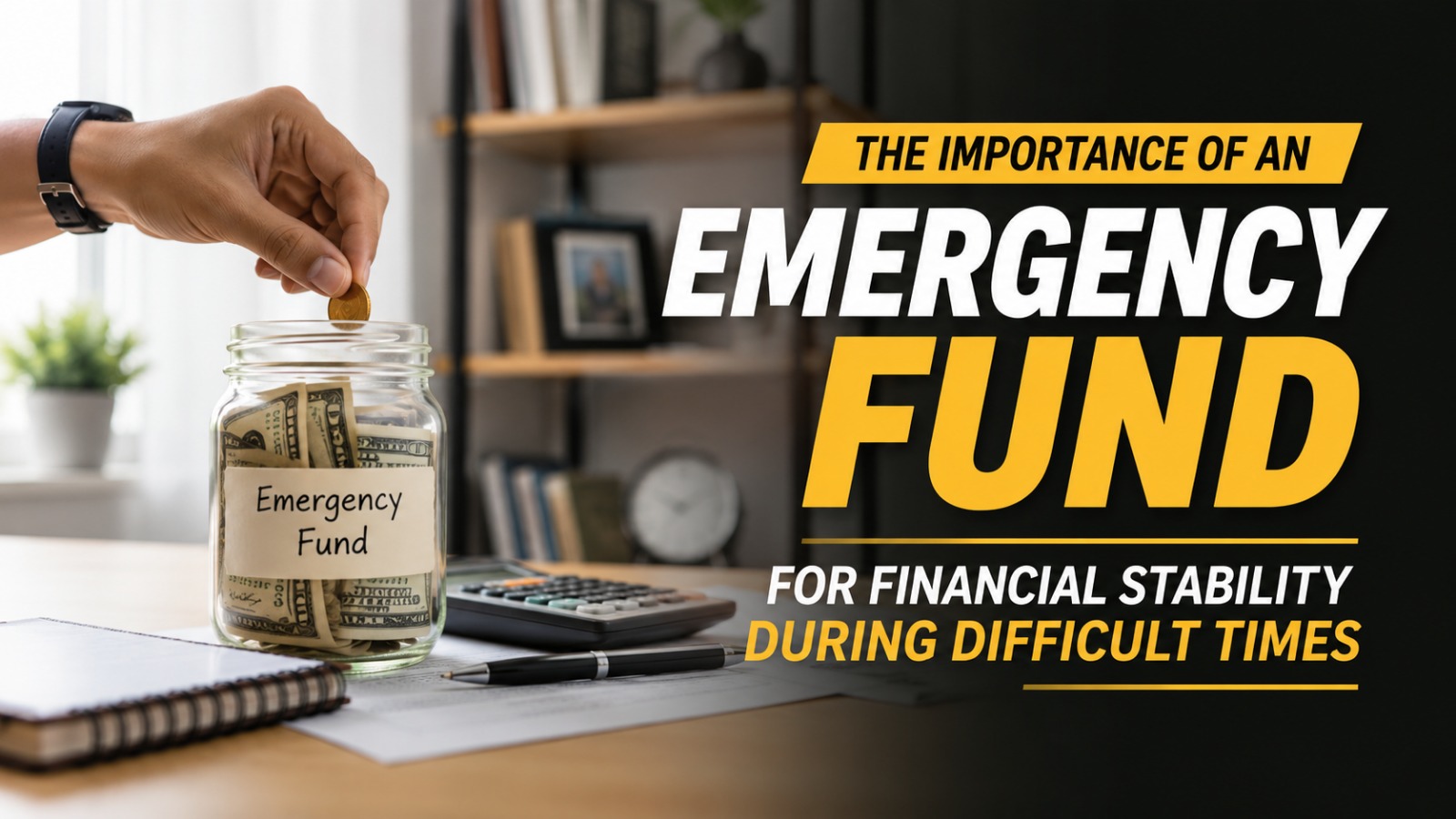
Building an emergency fund is one of the smartest financial decisions anyone can make. Life is full of unexpected situations, including job loss, medical emergencies, home repairs, and sudden income reductions. Without proper financial preparation, these events can create significant financial pressure and disrupt long-term financial goals.
An emergency fund provides a financial safety net that helps individuals and families manage unexpected expenses without relying on debt. It allows people to maintain their daily needs while protecting their savings and investments. In this article, you will learn why an emergency fund is essential, its key benefits, how to build one, and practical tips to maintain long-term financial stability.
WHY AN EMERGENCY FUND IS ESSENTIAL?
An emergency fund is money specifically reserved for unexpected financial situations. Unlike regular savings, this fund is not intended for vacations, shopping, or planned purchases. Its primary purpose is to provide immediate financial support when emergencies occur. Having dedicated emergency savings helps prevent financial disruptions and keeps your budget under control.
In addition, an emergency fund reduces the need to borrow money through loans or credit cards with high interest rates. This helps protect your long-term financial health and prevents unnecessary debt. More importantly, having emergency savings provides peace of mind, allowing you to focus on solving problems instead of worrying about how to pay unexpected bills.
KEY BENEFITS OF AN EMERGENCY FUND
One of the greatest advantages of an emergency fund is financial protection. If you unexpectedly lose your job or face a medical emergency, the fund can cover your essential expenses while you recover or search for a new source of income. This financial cushion minimizes stress and helps maintain your standard of living during challenging periods.
Another important benefit is increased financial confidence. People with emergency savings are generally better prepared to handle unexpected situations without making rushed financial decisions. They are also more likely to continue investing for long-term goals because they do not need to withdraw investment funds to cover emergency expenses.
HOW TO BUILD AN EMERGENCY FUND?
Creating an emergency fund starts with setting a realistic savings goal. Financial experts commonly recommend saving enough to cover three to six months of living expenses for employees and six to twelve months for self-employed individuals or freelancers. The exact amount depends on your income stability, monthly expenses, and family responsibilities.
Once you establish your target, begin saving consistently. Even small monthly contributions can grow significantly over time through disciplined saving habits. Setting up automatic transfers to a separate savings account can make the process easier and reduce the temptation to spend the money on non-essential purchases.
COMMON MISTAKES TO AVOID
Many people mistakenly use their emergency fund for non-essential expenses such as vacations, gadgets, or luxury items. This weakens the purpose of the fund and leaves them financially vulnerable when a genuine emergency occurs. An emergency fund should only be used for unavoidable and unexpected financial situations.
Another common mistake is failing to replenish the fund after using it. Once the emergency has passed, rebuilding the savings should become a priority. Maintaining the recommended balance ensures that you remain financially prepared for future emergencies and unexpected life events.
TIPS FOR MAINTAINING LONG TERM FINANCIAL STABILITY
Keeping your emergency fund in a safe and accessible account is essential. A high-yield savings account or another low-risk financial product allows quick access while protecting the value of your money. Avoid placing emergency savings in highly volatile investments that may lose value when you need the funds most.
It is also important to review your emergency fund regularly. As your income, expenses, or family size changes, your savings target should be adjusted accordingly. Regular financial reviews ensure that your emergency fund continues to provide adequate protection and supports your long-term financial goals.
CONCLUSION
The importance of an emergency fund cannot be overstated. It provides essential financial protection, reduces reliance on debt, and helps individuals navigate difficult times with greater confidence. By preparing in advance, you can avoid unnecessary financial stress and maintain control over your finances even during unexpected situations.
Building and maintaining an emergency fund requires discipline and consistency, but the long-term rewards are substantial. A strong emergency fund serves as the foundation of financial stability, giving you greater security, confidence, and peace of mind throughout every stage of life.
About the Author
Gusti Ayu Tita P
Author — STEKOM University
An active author focused on academic issues, educational technology, and human resource development in the campus environment.















