The Importance of Customs in Supporting Global Trade
Gusti Ayu Tita P
8 Agustus 2026
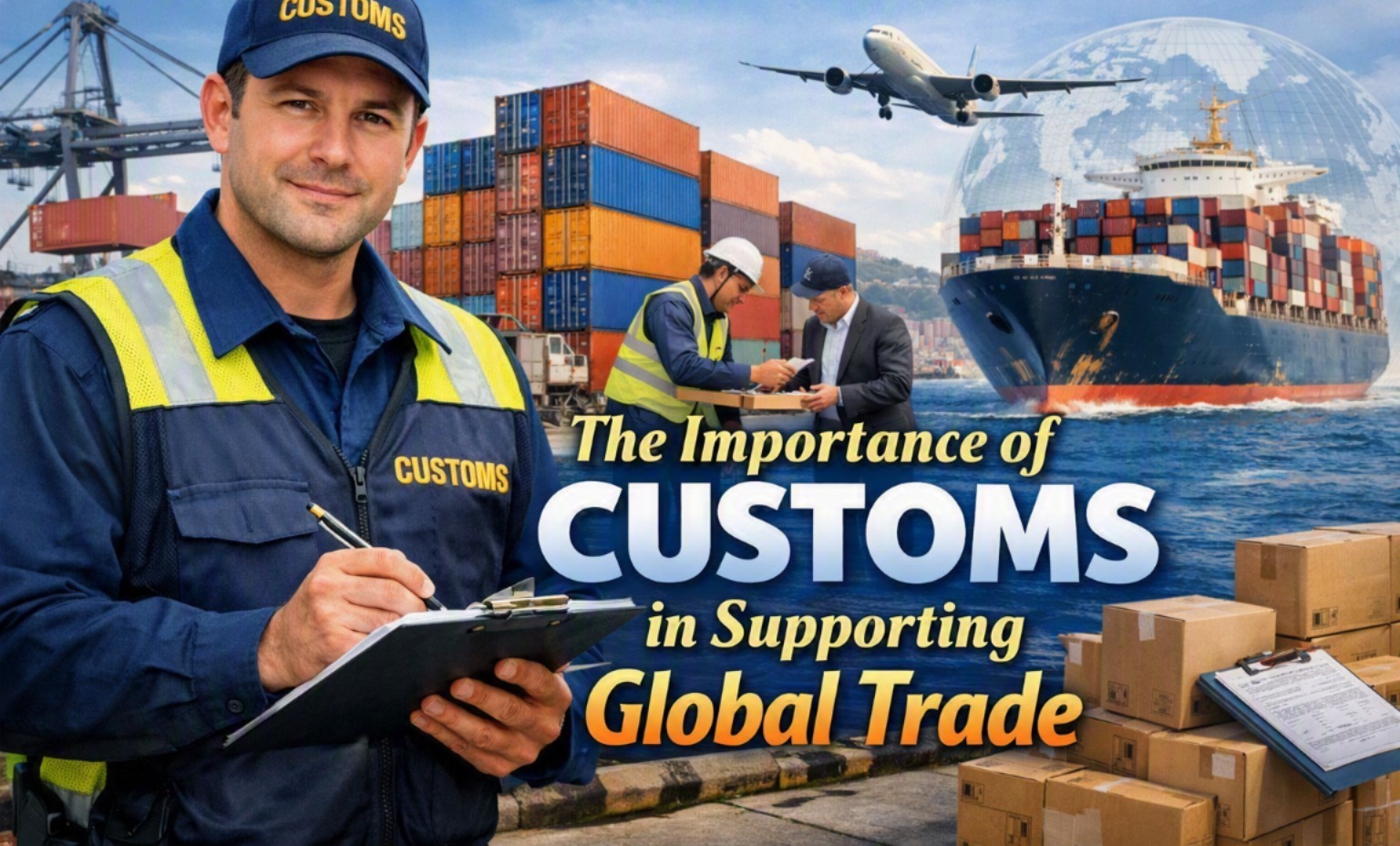
Global trade allows countries to exchange goods, services, raw materials, and technology across borders. Behind this complex system, customs has an important role in making sure international shipments follow the laws and regulations of each country. Customs authorities do more than collect duties because they also help control the movement of goods, protect borders, and support legal trade. Effective customs procedures can make international trade more secure, predictable, and efficient.
As global supply chains become more connected, the importance of customs continues to grow. Businesses need clear procedures to move products between countries without unnecessary delays, while governments need effective controls to protect society and national economic interests. According to the World Customs Organization, customs administrations collectively process a very large share of world trade, showing how important their work is to the international trading system.
SUPPORTING THE MOVEMENT OF INTERNATIONAL GOODS
One of the main roles of customs is to manage the movement of goods across international borders. When products enter or leave a country, customs authorities check declarations, documents, classifications, and other information required by national regulations. These procedures help determine whether shipments can legally enter or leave the customs territory. Proper customs clearance also gives businesses greater certainty when planning international shipments.
Efficient customs procedures can reduce unnecessary delays and help goods reach their destinations more quickly. The World Trade Organization emphasizes trade facilitation, which involves simplifying, modernizing, and harmonizing import, export, and transit procedures. The WTO Trade Facilitation Agreement includes measures designed to speed up the movement, release, and clearance of goods.
ENSURING TRADE COMPLIANCE
Customs helps businesses comply with the laws and regulations governing international trade. Importers and exporters may need to provide accurate information about the type, value, origin, and quantity of their goods. Customs authorities can use this information to determine whether the shipment meets applicable requirements. Compliance is important because inaccurate declarations or violations can lead to delays, additional costs, penalties, or other legal consequences.
A strong compliance system also creates a more predictable trading environment. Businesses that understand customs requirements can prepare their documentation correctly and reduce the risk of problems during clearance. International customs standards and cooperation help administrations develop more consistent approaches to areas such as classification, origin, and customs valuation.
COLLECTING CUSTOMS DUTIES AND TAXES
Another important responsibility of customs is helping governments collect duties and taxes on imported goods when these charges apply. Customs authorities assess shipments according to applicable tariff classifications, valuation rules, and national regulations. The revenue collected can contribute to government finances and support public services. Accurate assessment is therefore important for both governments and businesses.
However, customs duties are only one part of the wider customs function. Modern customs administrations also focus on facilitating legitimate trade while maintaining effective controls. This balance allows governments to protect their fiscal interests without creating unnecessary barriers for businesses involved in international commerce.
PROTECTING SOCIETY AND NATIONAL BORDERS
Customs also contributes to border protection and public safety by controlling goods that cross national borders. Authorities can identify shipments that may violate import or export restrictions and cooperate with other agencies when necessary. Risk-based controls allow customs administrations to focus attention on shipments that may require closer examination. This helps legitimate shipments move more efficiently while maintaining appropriate border controls.
Such activities are important because international trade involves large volumes of goods moving through ports, airports, and land borders. Effective customs enforcement can help prevent illegal or prohibited trade from using legitimate supply chains. At the same time, customs cooperation between countries strengthens the ability of authorities to respond to cross-border risks.
MAKING GLOBAL TRADE MORE EFFICIENT
Customs can directly influence the time and cost of international trade. Complicated paperwork, repeated information requirements, and inefficient border procedures can increase the cost of importing and exporting goods. For this reason, trade facilitation focuses on reducing unnecessary administrative burdens while maintaining appropriate regulatory controls. The WTO identifies simplification and modernization of border procedures as important elements of a more efficient trading system.
Technology has become an important part of this effort. Electronic documentation, automated systems, data sharing, and coordinated border procedures can help customs authorities process shipments more efficiently. The WTO Trade Facilitation Agreement specifically includes measures concerning electronic means and cooperation between customs and other border authorities.
PROMOTING FAIR AND TRANSPARENT TRADE
Customs also supports fair competition and transparent international trade. Clear customs rules help businesses understand the requirements they must meet when importing or exporting products. Consistent procedures can reduce uncertainty and make it easier for companies to plan their international operations. Transparency is particularly important for small and medium-sized businesses that may have fewer resources to manage complicated border procedures.
International standards can help countries improve consistency in customs administration. The WCO provides international customs standards and expertise covering areas such as the Harmonized System, origin, and valuation. These tools help customs administrations and businesses use common frameworks when dealing with international trade.
STRENGTHENING INTERNATIONAL COOPERATION
Global trade depends on cooperation between countries because goods often pass through several jurisdictions before reaching their final destination. Customs administrations therefore need to exchange information, coordinate procedures, and develop common approaches where appropriate. International cooperation can improve the ability to identify risks while supporting legitimate trade flows. It can also reduce differences in border procedures that create unnecessary obstacles for businesses.
The WTO Trade Facilitation Agreement includes provisions on border agency cooperation and customs cooperation, demonstrating the importance of coordination in modern trade. The WCO also serves as an international center for customs expertise and cooperation among customs administrations around the world.
SUPPORTING BUSINESSES AND GLOBAL SUPPLY CHAINS
Efficient customs is especially important for modern global supply chains. Manufacturers may obtain raw materials from one country, process them in another, and sell finished products in several different markets. Delays at one border can affect production schedules, transportation arrangements, inventory levels, and customer deliveries. Reliable customs procedures therefore help businesses maintain smoother international operations.
For exporters and importers, understanding customs requirements is an important part of international business planning. Accurate classification, documentation, valuation, and origin information can help reduce avoidable clearance problems. When customs administrations combine effective controls with trade facilitation, businesses can benefit from a more predictable environment for international commerce.
THE FUTURE OF CUSTOMS IN GLOBAL TRADE
The future of customs will increasingly depend on digitalization, data, automation, and international cooperation. As trade becomes more complex, customs administrations need systems that can process information quickly while identifying potential risks effectively. Digital tools can support faster document processing and better coordination between border agencies. At the same time, technology must be combined with clear regulations and trained personnel.
The goal is not simply to make customs faster, but to make border management more efficient, transparent, secure, and predictable. The WTO's trade facilitation framework encourages modernization and simplification of procedures, while the WCO supports international customs standards and expertise. Together, these approaches can help customs remain an essential part of a changing global trading system.
CONCLUSION
Customs plays a fundamental role in supporting global trade. Its responsibilities include managing the movement of goods, enforcing trade regulations, collecting applicable duties and taxes, protecting borders, and facilitating legitimate international commerce. Effective customs administration helps balance the need for security and compliance with the need for fast and efficient trade.
As international supply chains continue to develop, customs will remain essential to the global economy. Modern technology, transparent procedures, international standards, and cooperation between countries can make customs processes more efficient while maintaining effective controls. By supporting both governments and businesses, customs helps create a safer, more predictable, and more efficient environment for global trade.
About the Author
Gusti Ayu Tita P
Author — STEKOM University
An active author focused on academic issues, educational technology, and human resource development in the campus environment.