
The Importance of Digital Literacy for Young Generations
Gusti Ayu Tita P
23 Juli 2026
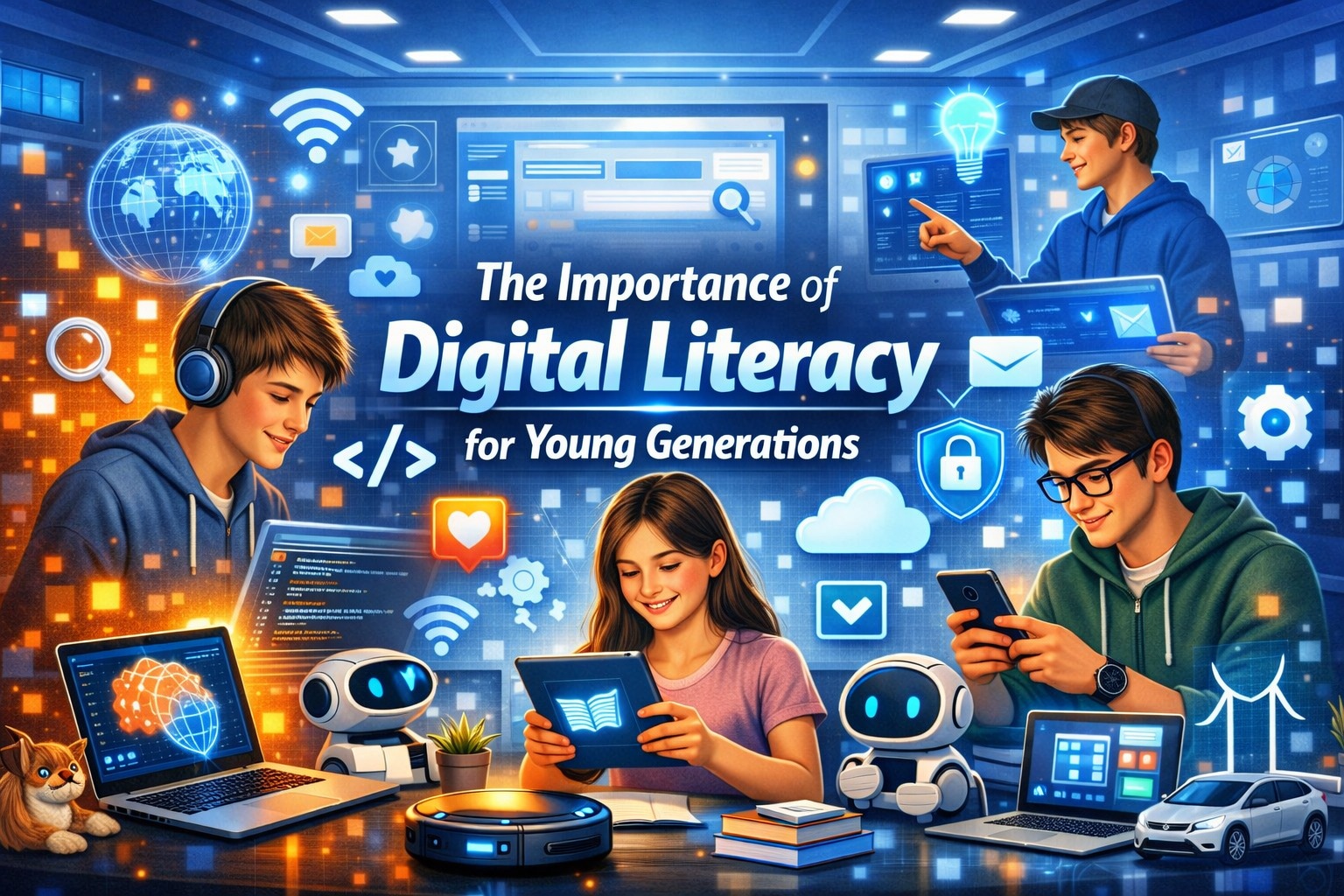
The rapid growth of technology has transformed how people learn, communicate, and work. For young generations who grow up surrounded by smartphones, social media, and online platforms, digital literacy is no longer optional—it is essential. Understanding how to use technology responsibly and effectively can shape future success, safety, and opportunities.
WHAT IS DIGITAL LITERACY?
Digital literacy refers to the ability to find, evaluate, create, and communicate information using digital tools. It goes beyond basic technical skills such as operating a computer or using a smartphone. True digital literacy includes critical thinking, online safety awareness, and the ability to distinguish reliable information from misinformation.
Young people today are often called “digital natives,” but being familiar with technology does not automatically mean they are digitally literate. Without proper guidance, they may struggle to navigate online risks or use technology productively.
WHY DIGITAL LITERACY MATTERS FOR YOUNG GENERATIONS?
Digital literacy plays a crucial role in shaping the future of young people. Here are several reasons why it is so important:
1. Enhances Learning Opportunities**
Students can access unlimited educational resources online, including e-books, courses, tutorials, and virtual classrooms. Digital literacy helps them search effectively, evaluate sources, and use online tools for academic success.
2. Prepares for Future Careers**
Most modern careers require digital skills. From communication tools to data analysis and remote collaboration, digital literacy equips young individuals with skills needed in the modern workplace.
3. Builds Critical Thinking Skills**
The internet contains both accurate and misleading information. Digital literacy helps young people analyze content, identify fake news, and make informed decisions.
4. Encourages Responsible Online Behavior**
Understanding online ethics, privacy, and digital footprints is essential. Digital literacy helps youth communicate respectfully and avoid harmful online behavior.
DIGITAL LITERACY AND ONLINE SAFETY
One of the biggest challenges of the digital era is online safety. Young people are vulnerable to cyberbullying, scams, privacy breaches, and harmful content. Digital literacy teaches them how to protect personal data, recognize suspicious activities, and maintain safe online habits.
Parents and educators play an important role in guiding children to use technology responsibly. By teaching cybersecurity basics and encouraging open discussions about online experiences, they can create safer digital environments.
THE ROLE OF EDUCATION AND PARENTS
Schools and families must work together to develop digital literacy. Educational institutions can integrate digital skills into the curriculum through interactive learning, research projects, and technology-based assignments.
Meanwhile, parents can support digital literacy by monitoring online activities, setting screen-time boundaries, and encouraging healthy technology use. When both parties collaborate, young people gain balanced and responsible digital skills.
BUILDING A DIGITALLY LITERATE FUTURE
Developing digital literacy is a long-term investment. Governments, educators, and communities must collaborate to provide equal access to technology and digital education. Workshops, online courses, and digital campaigns can help young people build essential skills for the future.
As technology continues to evolve, digital literacy will remain a fundamental life skill. Empowering young generations with these abilities ensures they can navigate the digital world safely, confidently, and productively.
CONCLUSION
Digital literacy is a key factor in shaping the success and well-being of young generations. It supports education, enhances career readiness, promotes online safety, and fosters responsible digital behavior. By prioritizing digital literacy today, society can prepare young people for the challenges and opportunities of tomorrow.
About the Author
Gusti Ayu Tita P
Author — STEKOM University
An active author focused on academic issues, educational technology, and human resource development in the campus environment.















