
The Importance of District Heads in Community Services
Gusti Ayu Tita P
12 Agustus 2026
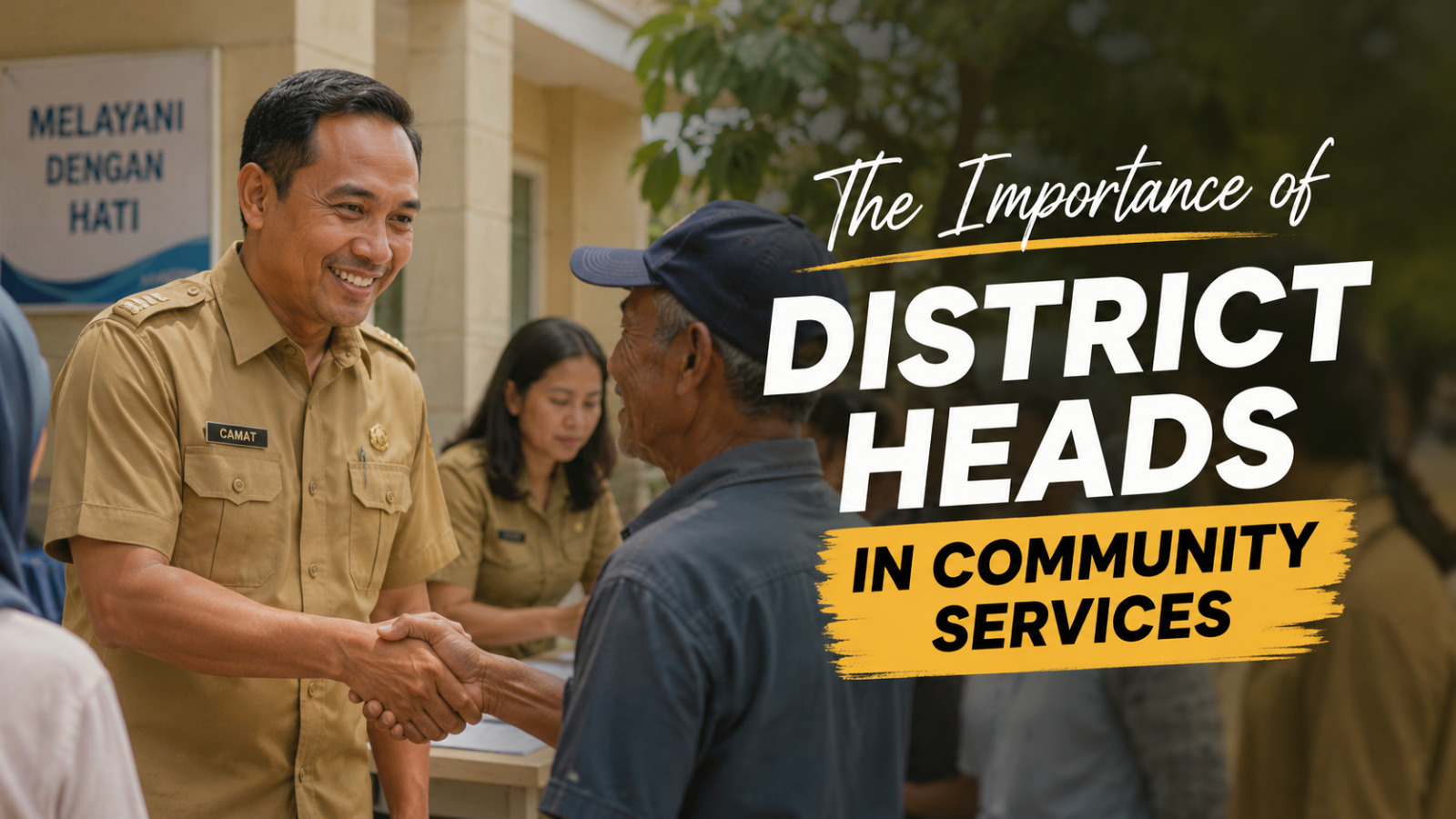
District heads play an important role in connecting local government with the communities they serve. They help ensure that government programs, public services, and administrative processes reach residents effectively. A district head also coordinates various institutions and community groups within the district. Through good leadership, they can help create services that are more responsive to local needs.
THE ROLE OF DISTRICT HEADS IN COMMUNITY SERVICES
A district head is responsible for coordinating government activities at the district level. Their work often involves supervising public services, facilitating administrative processes, and communicating community needs to higher levels of government. They also help ensure that government programs are implemented according to applicable regulations. Effective coordination allows different government units to work toward common goals.
District heads also act as a bridge between residents and local government. When communities experience difficulties with public services, the district head can help communicate these concerns to the appropriate agencies. Good communication is important because local leaders need to understand real conditions in their communities. This role makes district heads an important part of responsive local administration.
IMPROVING ACCESS TO PUBLIC SERVICES
One of the most important responsibilities of a district head is helping improve access to public services. These services may include administrative assistance, population services, community facilities, and coordination of health or social programs. A district head can identify problems that make services difficult for residents to access. They can then coordinate with relevant agencies to find practical solutions.
Improving access also requires attention to residents who may face additional barriers. Elderly people, people with disabilities, and residents in remote areas may need more accessible services. Service accessibility can be improved through better information, simpler procedures, and appropriate digital solutions. By focusing on community needs, district heads can make government services more inclusive.
SUPPORTING COMMUNITY DEVELOPMENT
District heads contribute to community development by coordinating programs that support local economic and social progress. They may work with village governments, community organizations, and other institutions to identify development priorities. These priorities can include infrastructure, education, health, environmental management, and economic activities. Local knowledge helps ensure that development programs address actual community conditions.
Community participation is also important in successful development. District heads can encourage residents to participate in discussions, planning activities, and community programs. Public participation helps create a sense of responsibility and makes development initiatives more relevant to local needs. Strong cooperation between government and residents can produce more sustainable results.
COORDINATING GOVERNMENT PROGRAMS
District heads often coordinate the implementation of government programs within their administrative area. Different agencies may have separate responsibilities, so effective coordination is necessary to prevent overlapping activities or communication problems. A district head can facilitate meetings and cooperation between relevant institutions. Program coordination helps ensure that government policies are implemented more consistently.
Coordination also allows local leaders to monitor challenges during implementation. If a program does not work as expected, the district head can help communicate the problem and encourage appropriate adjustments. Regular communication between government institutions can improve efficiency. As a result, communities have a better opportunity to receive the intended benefits of government programs.
BUILDING TRUST WITH THE COMMUNITY
Trust is an important foundation of effective local government. District heads can build trust by communicating clearly, listening to residents, and responding to community concerns. Transparency can help residents understand government programs, procedures, and priorities. When people feel that their concerns are heard, their confidence in local government can increase.
District heads should also encourage open communication through community meetings and other appropriate channels. Listening to different groups can help leaders understand diverse needs and avoid making decisions based only on limited information. Responsive leadership demonstrates that public service is focused on community needs. Over time, consistent and responsible leadership can strengthen relationships between government and residents.
USING DIGITAL SERVICES EFFECTIVELY
Modern communities increasingly depend on digital technology for information and administrative services. District heads can support the use of digital services when these technologies are appropriate for local conditions. Online information, digital administrative systems, and communication platforms can make some services faster and easier to access. However, digital solutions should complement rather than completely replace services for residents who have limited internet access.
District heads also need to consider digital literacy and data security. Residents should receive clear information about how digital services work and how their personal information is handled. Inclusive digitalization means ensuring that technology benefits different groups in the community. Proper implementation can make local government services more efficient while maintaining accessibility.
CHALLENGES IN PROVIDING COMMUNITY SERVICES
District heads may face various challenges when delivering effective community services. Limited resources, different community needs, complicated administrative procedures, and coordination problems can affect service quality. Some areas may also have infrastructure or technology limitations. Strong problem-solving skills are therefore important for local leaders.
Another challenge is balancing government policies with local conditions. A program designed at a higher level may need effective coordination to work well in a particular community. District heads must understand regulations while also listening to residents. Adaptability and cooperation can help them respond to changing circumstances without ignoring established rules.
CONCLUSION
District heads are important because they help connect government institutions with local communities. Their responsibilities include coordinating government programs, supporting public services, encouraging community development, and responding to residents' concerns. Through effective communication, transparency, and cooperation, they can help improve the quality and accessibility of local services. Their leadership can also encourage stronger relationships between government and the communities it serves.
The effectiveness of a district head depends not only on authority but also on the ability to listen, coordinate, solve problems, and involve the community. By adapting to modern challenges while maintaining inclusive public services, district heads can make local governance more responsive. Strong district leadership ultimately supports communities that are better served, more engaged, and more capable of participating in local development.
About the Author
Gusti Ayu Tita P
Author — STEKOM University
An active author focused on academic issues, educational technology, and human resource development in the campus environment.















