The Importance of Emotional Intelligence for Managers
Gusti Ayu Tita P
23 Juli 2026
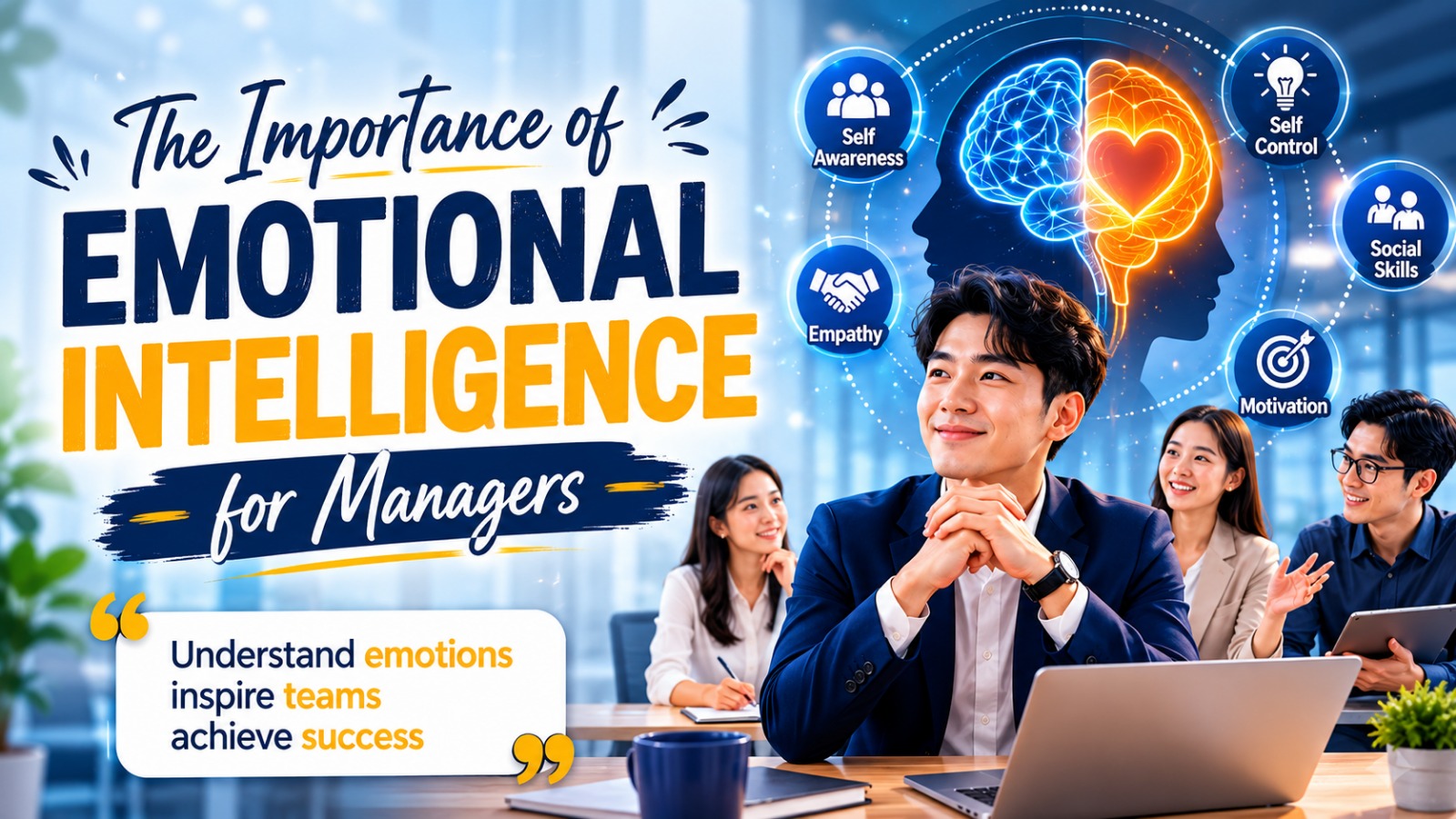
In today’s competitive business environment, technical skills alone are not enough for effective leadership. Managers are expected to guide teams, solve conflicts, motivate employees, and maintain a healthy workplace culture. One of the most valuable abilities that supports these responsibilities is emotional intelligence. Managers with strong emotional intelligence can build better communication, improve teamwork, and create a more productive work environment.
WHAT IS EMOTIONAL INTELLIGENCE?
Emotional intelligence is the ability to understand, manage, and express emotions effectively while also recognizing and responding to the emotions of others. This skill helps managers stay calm under pressure, make thoughtful decisions, and maintain positive relationships in the workplace.
Emotional intelligence is generally divided into several important aspects, including self-awareness, self-control, empathy, motivation, and social skills. These elements work together to help managers become more effective leaders.
WHY EMOTIONAL INTELLIGENCE MATTERS FOR MANAGERS?
Managers interact with employees from different backgrounds, personalities, and working styles. Without emotional intelligence, communication problems and misunderstandings can easily occur. A manager who understands emotions can handle challenges more professionally and maintain team harmony.
Emotionally intelligent managers also know how to motivate employees without creating unnecessary pressure. They can recognize when team members are stressed, frustrated, or losing motivation and respond with the right approach.
BENEFITS OF EMOTIONAL INTELLIGENCE IN THE WORKPLACE
IMPROVES TEAM COMMUNICATION
Good communication is essential in every organization. Managers with emotional intelligence listen actively, communicate clearly, and understand employee concerns. This creates a workplace where employees feel respected and valued.
BUILDS STRONGER RELATIONSHIPS
Employees are more likely to trust managers who show empathy and understanding. Strong relationships between managers and employees increase teamwork, loyalty, and cooperation within the company.
HELPS MANAGE WORKPLACE CONFLICT
Conflicts can happen in any workplace. Managers with emotional intelligence can control their emotions during disagreements and find solutions without making situations worse. They focus on problem-solving instead of blaming others.
INCREASES EMPLOYEE MOTIVATION
A supportive manager can inspire employees to perform better. Emotional intelligence helps managers understand what motivates each employee and how to encourage them effectively.
SUPPORTS BETTER DECISION MAKING
Managers often face difficult situations that require quick decisions. Emotional intelligence allows leaders to stay calm, think rationally, and avoid emotional reactions that could negatively affect the company.
HOW MANAGERS CAN DEVELOP EMOTIONAL INTELLIGENCE?
Improving emotional intelligence requires consistent practice and self-reflection. Managers can start by learning to recognize their emotions and understanding how those emotions affect others. Listening carefully to employees and accepting feedback are also important steps.
Practicing empathy is another effective way to strengthen emotional intelligence. Managers should try to understand employee perspectives and show genuine concern for their well-being. In addition, maintaining a positive attitude and controlling stress can help managers become better leaders.
THE FUTURE OF LEADERSHIP WITH EMOTIONAL INTELLIGENCE
Modern workplaces are becoming more dynamic and collaborative. Employees today value leaders who are approachable, supportive, and emotionally aware. Companies that prioritize emotional intelligence in leadership often experience stronger teamwork, better employee satisfaction, and improved productivity.
As businesses continue to evolve, emotional intelligence will remain one of the most important qualities for successful managers. Leaders who combine technical expertise with emotional understanding will be better prepared to guide teams and achieve long-term success.
About the Author
Gusti Ayu Tita P
Author — STEKOM University
An active author focused on academic issues, educational technology, and human resource development in the campus environment.