
The Importance of Employee Mutation Planning in Modern HR Management Systems
Gusti Ayu Tita P
17 Oktober 2026
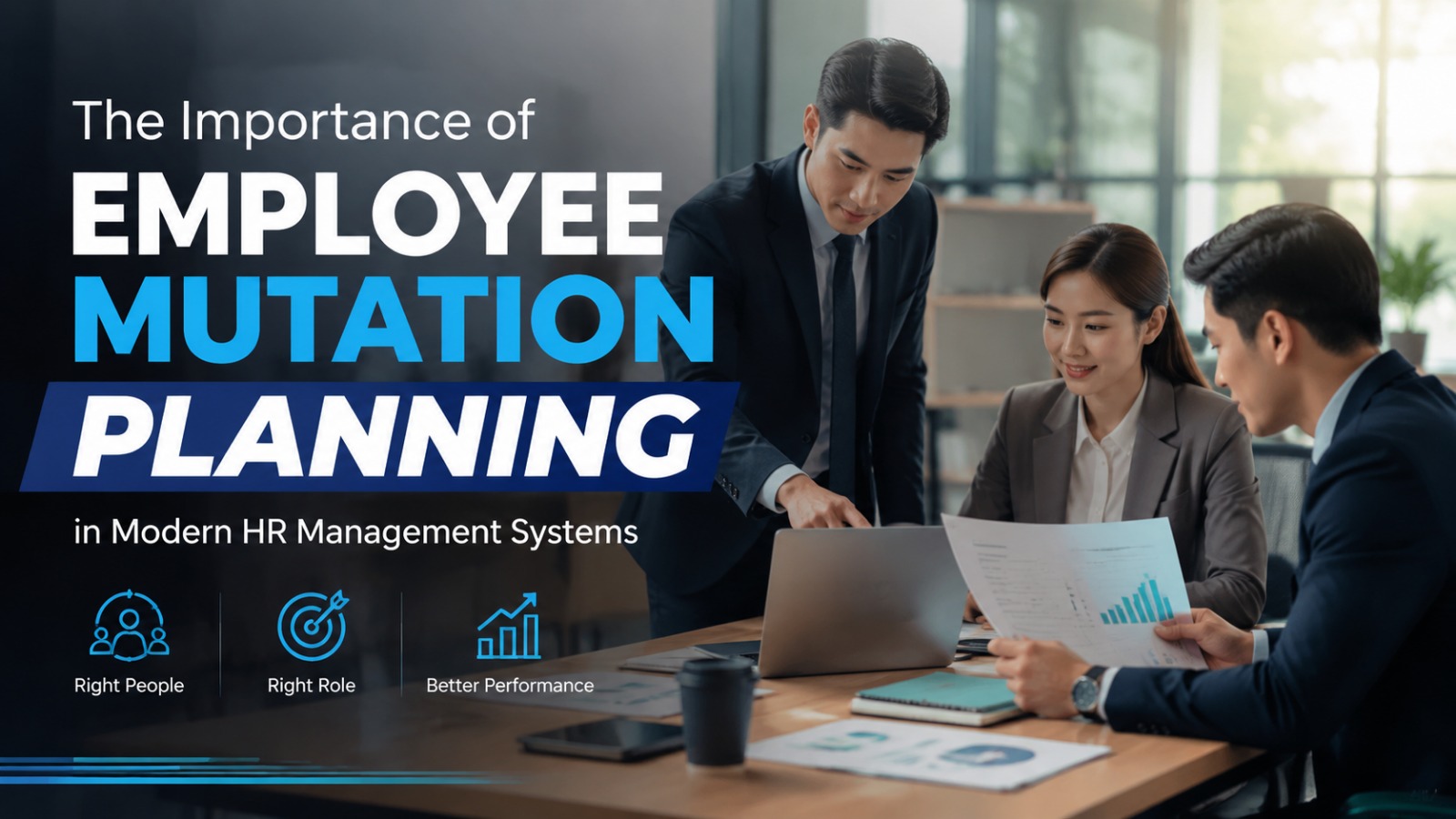
UNDERSTANDING EMPLOYEE MUTATION PLANNING IN HR MANAGEMENT
Employee Mutation Planning is an important strategy in modern Human Resource Management that focuses on managing employee transfers, position changes, or work location adjustments within an organization. This process is designed to place employees in positions that match their skills, experience, and career development needs. Unlike random employee movement, planned mutation systems are carried out based on careful analysis and organizational goals.
In modern companies, employee mutation planning helps create a more flexible and productive workforce. Through proper planning, companies can reduce work imbalance, improve employee performance, and prepare future leaders. A well-managed mutation process also supports employee growth because workers receive opportunities to develop new abilities and experiences.
THE ROLE OF EMPLOYEE MUTATION PLANNING IN MODERN HR SYSTEMS
Modern HR Management Systems require effective strategies to manage employee potential, and mutation planning is one of the essential components. Companies use this approach to ensure that every employee works in a position where they can contribute optimally. By analyzing employee performance, skills, and organizational needs, HR departments can make better decisions regarding employee movement.
Employee mutation planning also supports business sustainability because it helps organizations respond to changes quickly. For example, when a department requires additional expertise, HR can transfer suitable employees without needing a long recruitment process. This method improves operational efficiency while maintaining workforce quality.
BENEFITS OF IMPLEMENTING A STRUCTURED EMPLOYEE MUTATION SYSTEM
A structured Employee Mutation System provides many benefits for both companies and employees. One major advantage is improving employee motivation because workers feel they receive opportunities for career development. When employees experience new responsibilities, they can increase their knowledge, confidence, and professional skills.
Another important benefit is reducing workplace problems caused by unsuitable job placements. Through proper evaluation, companies can match employee abilities with job requirements more accurately. This creates a healthier work environment, increases productivity, and strengthens employee commitment toward organizational goals.
FACTORS TO CONSIDER BEFORE PLANNING EMPLOYEE MUTATIONS
Before implementing employee mutations, HR managers must consider several important factors to ensure the process runs effectively. The first factor is employee competence, because every position requires specific skills and qualifications. Moving employees without proper evaluation may decrease productivity and create adjustment difficulties.
The second factor is employee performance records, career goals, and organizational needs. HR should also consider communication and transparency during the mutation process. Clear explanations help employees understand the reasons behind the decision and reduce negative perceptions about workplace changes.
HOW TECHNOLOGY SUPPORTS MODERN EMPLOYEE MUTATION PLANNING
The development of digital technology has changed the way companies manage employee mutations. Modern HR Technology Systems allow organizations to collect, analyze, and manage employee data more efficiently. Through digital platforms, HR teams can evaluate employee performance, skills, and career progress before making mutation decisions.
Technology also improves accuracy and reduces human errors in employee placement. With data-based decision-making, companies can create more objective mutation strategies. The integration of technology makes employee management faster, more transparent, and aligned with modern business requirements.
STRATEGIES FOR SUCCESSFUL EMPLOYEE MUTATION MANAGEMENT
Successful Employee Mutation Management requires careful planning, effective communication, and continuous evaluation. HR departments should create clear procedures that explain the purpose, process, and expected results of employee mutations. This approach helps employees accept changes positively and adapt more easily to new roles.
Companies should also provide training and support after the mutation process. Additional guidance allows employees to understand their new responsibilities and improve their performance. With proper strategies, employee mutations can become a powerful tool for organizational development rather than a source of workplace challenges.
THE IMPACT OF EMPLOYEE MUTATION PLANNING ON COMPANY PERFORMANCE
Effective Employee Mutation Planning has a significant impact on overall company performance. When employees are placed in suitable positions, they can work more effectively and contribute better results. This improves productivity, teamwork, and organizational efficiency.
Furthermore, planned mutations help companies build a stronger workforce structure. Employees gain broader experiences, while organizations develop internal talent for future leadership positions. Therefore, employee mutation planning is not only about moving employees but also about creating long-term growth opportunities.
About the Author
Gusti Ayu Tita P
Author — STEKOM University
An active author focused on academic issues, educational technology, and human resource development in the campus environment.