
The Importance of Introducing National Songs to Young Generations
Gusti Ayu Tita P
5 Agustus 2026
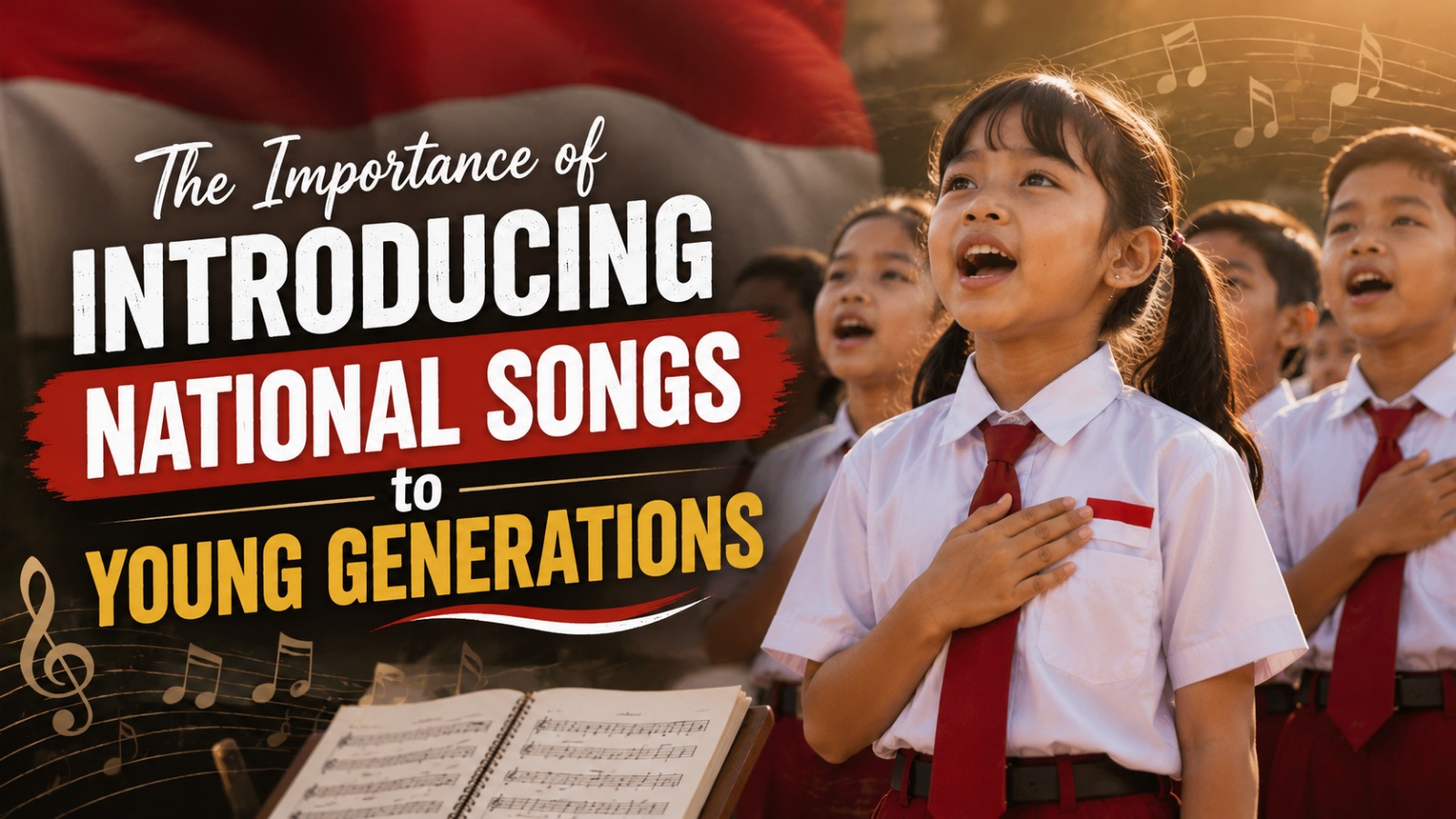
National songs are an essential part of every nation's cultural heritage. They represent the history, identity, values, and spirit of unity that have shaped a country's journey through time. Although young people today grow up in a digital world filled with global influences, national songs continue to provide meaningful lessons about patriotism and national pride. Introducing these songs at an early age helps children understand the importance of respecting their country and appreciating its rich cultural traditions. For this reason, national songs remain valuable educational tools for every generation.
As globalization continues to connect people across different cultures, preserving national identity has become increasingly important. Young generations need to recognize the values that make their country unique while remaining open to the world. National songs offer a simple and engaging way to introduce these values through inspiring lyrics and memorable melodies. They help children build a stronger emotional connection with their nation from an early age.
WHY NATIONAL SONGS MATTER FOR YOUNG GENERATIONS?
National songs carry messages that inspire patriotism, responsibility, unity, and respect. These messages remain relevant regardless of changes in technology or lifestyle because they teach timeless values that support social harmony. By learning national songs, young people gain a better understanding of the sacrifices made by previous generations to build and protect their country. This knowledge encourages gratitude and strengthens their sense of belonging. As a result, national songs become more than music—they become lessons about citizenship and national responsibility.
Beyond their educational value, national songs also create emotional experiences that connect children with their communities. Singing together during school ceremonies or national celebrations builds friendships and encourages cooperation. These shared experiences help students appreciate diversity while understanding that everyone belongs to the same nation. Such lessons contribute to stronger social relationships and greater respect for one another.
THE ROLE OF NATIONAL SONGS IN CHARACTER EDUCATION
One of the greatest benefits of introducing national songs is their contribution to character education. The lyrics often promote discipline, honesty, perseverance, respect, and love for the nation. These qualities help children develop positive habits that influence both their academic and personal lives. When teachers explain the meaning behind each song, students gain a deeper appreciation of the values hidden within the lyrics. This approach transforms music into an effective learning resource.
Character education becomes even more meaningful when students practice these values in everyday situations. National songs encourage children to respect school rules, cooperate with classmates, and care about their communities. Over time, these repeated experiences strengthen moral development and responsible behavior. This makes national songs valuable tools for building future citizens with integrity and compassion.
KEEPING NATIONAL SONGS RELEVANT IN THE DIGITAL AGE
Modern technology offers new opportunities to introduce national songs in creative ways. Educational videos, digital music platforms, interactive learning applications, and multimedia presentations allow students to learn while enjoying engaging content. These resources make national songs more attractive to young audiences without changing their original meaning. Technology therefore supports cultural preservation rather than replacing traditional values.
Teachers and parents can also combine music with storytelling, historical documentaries, and classroom discussions. This method helps children understand not only how to sing national songs but also why they matter. Interactive learning experiences improve student participation and increase long-term understanding. As a result, national songs remain relevant even in a rapidly changing digital environment.
THE RESPONSIBILITY OF SCHOOLS AND FAMILIES
Schools play a significant role in introducing national songs through classroom activities, ceremonies, cultural performances, and music education. Teachers can encourage students to explore the historical background and moral messages behind each song. These activities help students appreciate national heritage while developing important life values. Schools also create opportunities for students to experience unity by singing together during official events. This consistent practice strengthens both knowledge and character.
Families are equally important in preserving the tradition of national songs. Parents can introduce these songs at home and explain their meaning through simple conversations. Listening to national songs together creates memorable learning experiences and strengthens children's emotional connection with their country. Cooperation between schools and families ensures that these valuable traditions continue across generations.
THE LONG TERM BENEFITS OF INTRODUCING NATIONAL SONGS
Introducing national songs from an early age offers benefits that extend far beyond childhood. Young people who understand the meaning of these songs often develop stronger national pride, social responsibility, and respect for diversity. These qualities prepare them to become active citizens who contribute positively to society. They are also more likely to appreciate cultural heritage while embracing innovation and progress.
Furthermore, national songs encourage unity during times of celebration and challenge. They remind citizens that despite cultural, religious, or social differences, everyone shares the same responsibility to build a peaceful and prosperous nation. This lasting message ensures that national songs remain meaningful for generations to come. Their influence extends beyond music into education, culture, and national development.
CONCLUSION
Introducing national songs to young generations is essential for preserving national identity, strengthening character education, and promoting unity. These songs teach valuable lessons about patriotism, responsibility, cooperation, and respect while helping children understand the history and values of their nation. Even in the digital era, national songs continue to inspire meaningful connections between individuals and their country.
By working together, schools, families, and communities can ensure that national songs remain an important part of children's education. Through continuous learning and appreciation, future generations will inherit not only beautiful melodies but also the enduring values that strengthen national unity and cultural pride.
About the Author
Gusti Ayu Tita P
Author — STEKOM University
An active author focused on academic issues, educational technology, and human resource development in the campus environment.















