
The Importance of Justice for a Better Future
Gusti Ayu Tita P
22 Agustus 2026
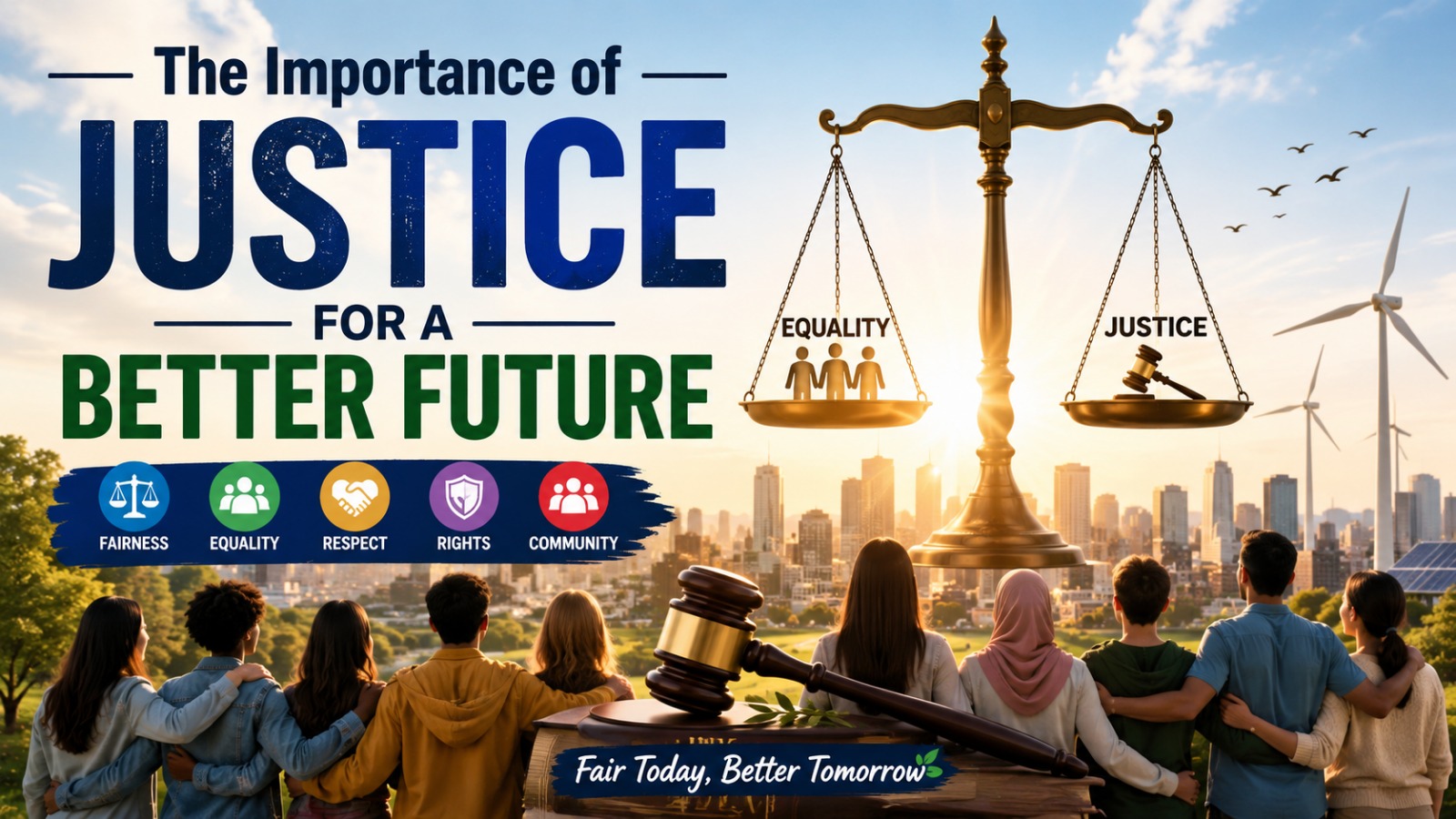
Justice plays a very important role in creating a peaceful and prosperous society. Without justice, people may experience discrimination, inequality, and unfair treatment in many aspects of life. Justice helps individuals feel protected, respected, and valued regardless of their background, religion, gender, or social status. In today’s modern world, the need for Social Justice, Equal Rights, and Human Rights Protection continues to grow as societies become more diverse and connected. A fair legal and social system can create trust between citizens and governments, leading to long-term stability and development.
THE MEANING OF JUSTICE IN SOCIETY
Justice means treating every person fairly and equally according to the law and moral values. It ensures that everyone receives the same opportunities and protection without discrimination. Justice System, Equal Opportunity, and Legal Protection are important foundations of a healthy society. When justice exists, people can live peacefully because they know their rights are protected.
In many countries, justice is connected to education, employment, healthcare, and freedom of speech. A society without justice often faces social conflict, corruption, and inequality. By promoting fairness and accountability, justice encourages people to respect one another and work together for the common good. This is why justice is considered one of the most essential values for building a better future.
WHY JUSTICE IS IMPORTANT FOR FUTURE GENERATIONS
Future generations deserve to live in a world that values fairness and equality. Justice helps create strong communities where people can grow, learn, and achieve their goals without fear of discrimination. Social Equality, Fair Treatment, and Human Rights are key elements that support the well-being of future societies. Children who grow up in a just environment are more likely to become responsible and respectful adults.
Moreover, justice can reduce poverty and social gaps by giving equal access to education and job opportunities. When governments and institutions apply fair policies, people feel more motivated to contribute positively to society. A fair society also supports innovation and economic growth because everyone has the opportunity to succeed based on their abilities and hard work.
THE CHALLENGES OF ACHIEVING JUSTICE
Although justice is important, achieving it is not always easy. Many countries still struggle with corruption, discrimination, poverty, and abuse of power. These problems often prevent people from receiving fair treatment and equal opportunities. Corruption Prevention, Legal Equality, and Social Responsibility are necessary to overcome these challenges and improve society.
Technology and social media also create new challenges related to justice. False information, online harassment, and digital discrimination can negatively affect individuals and communities. Governments, organizations, and citizens must work together to create fair laws and ethical digital practices. Public awareness and education are also important to help people understand their rights and responsibilities.
HOW PEOPLE CAN PROMOTE JUSTICE
Every individual has the ability to support justice in daily life. Respecting others, speaking against discrimination, and helping vulnerable communities are simple actions that can make a big difference. Community Support, Equality Awareness, and Respect for Human Rights are important attitudes that encourage positive social change. People should also learn about laws and social issues to better understand how justice works.
Education plays a major role in promoting justice because it teaches values such as honesty, empathy, and responsibility. Schools, families, and communities must work together to build a culture of fairness and respect. By supporting justice in everyday life, society can become more united, peaceful, and sustainable for future generations.
CONCLUSION
Justice is one of the most important foundations for a better future. It protects human rights, promotes equality, and helps create peaceful communities. Without justice, societies may experience conflict, discrimination, and social instability. By supporting fairness, respecting others, and promoting equal opportunities, people can help create a safer and more prosperous world.
In the future, justice will continue to play a critical role in shaping modern societies. Governments, organizations, and individuals must work together to ensure that everyone is treated fairly and equally. Through collective effort and social responsibility, a better future based on justice and humanity can become a reality.
About the Author
Gusti Ayu Tita P
Author — STEKOM University
An active author focused on academic issues, educational technology, and human resource development in the campus environment.















