The Importance of Knowing Yourself Before Setting Goals
Gusti Ayu Tita P
25 Juni 2026
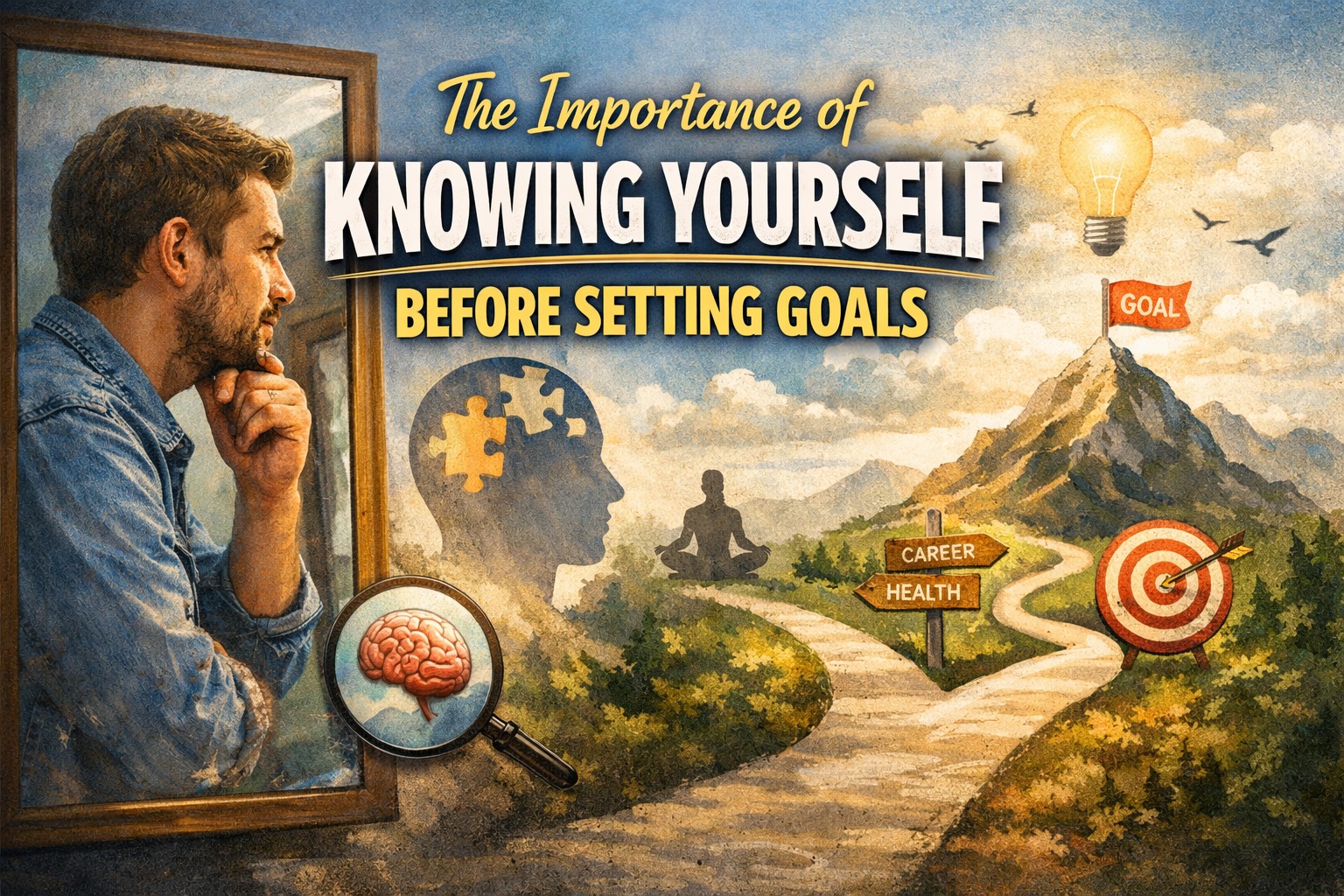
Setting goals is an important step toward personal and professional success. However, many people focus on creating goals without first understanding who they are, what they value, and what truly motivates them. As a result, they often pursue objectives that do not align with their interests or long-term aspirations. Knowing yourself before setting goals helps create a clearer direction and increases the likelihood of achieving meaningful success.
Self-awareness allows individuals to identify their strengths, weaknesses, passions, and personal values. When goals are based on a deep understanding of oneself, they become more realistic, relevant, and motivating. This foundation helps people stay committed even when challenges arise along the way.
WHY SELF-AWARENESS MATTERS
Self-awareness is the ability to recognize your thoughts, emotions, behaviors, and motivations. It helps you understand what truly matters in your life and what kind of future you want to build. Without self-awareness, it is easy to follow goals influenced by social pressure, trends, or the expectations of others.
When you know yourself well, you can make decisions that reflect your authentic interests and values. This creates a stronger sense of purpose and increases satisfaction when pursuing your goals. People who understand themselves are often more confident because they know what they are capable of achieving.
HOW KNOWING YOURSELF HELPS YOU SET BETTER GOALS
Understanding your personality, skills, and interests allows you to create goals that fit your unique circumstances. Instead of copying someone else's path, you can focus on objectives that genuinely support your growth and happiness. This makes your goals more meaningful and sustainable over time.
Self-knowledge also helps you identify potential obstacles before they become major problems. For example, recognizing weaknesses or limitations enables you to prepare strategies for overcoming them. As a result, your goals become more practical and achievable.
THE CONNECTION BETWEEN VALUES AND GOALS
Your personal values act as a guide when making important life decisions. Values such as honesty, creativity, learning, family, or independence influence what you consider meaningful and worthwhile. Goals that align with these values often bring greater fulfillment and long-term satisfaction.
On the other hand, goals that conflict with your values can create stress, frustration, and a lack of motivation. Even if such goals lead to external success, they may not provide genuine happiness. Aligning your goals with your values helps ensure that your efforts contribute to a life that feels rewarding and purposeful.
IDENTIFYING STRENGTHS AND WEAKNESSES
Recognizing your strengths allows you to leverage your natural abilities and maximize your potential. Whether you excel at communication, problem-solving, leadership, or creativity, understanding these strengths can help you choose goals that suit your talents.
At the same time, acknowledging your weaknesses is equally important. This does not mean focusing on limitations but rather understanding areas where improvement is needed. By being honest about your challenges, you can develop plans that support continuous growth and increase your chances of success.
BUILDING LONG-TERM MOTIVATION
Goals that are connected to your identity and personal aspirations tend to generate stronger motivation. When you know why a goal matters to you, it becomes easier to remain focused during difficult times. This internal motivation is often more powerful than external rewards such as recognition or financial gain.
Self-awareness also helps you evaluate your progress more effectively. You can adjust your goals when necessary without losing sight of your overall purpose. This flexibility supports long-term growth and prevents discouragement when circumstances change.
PRACTICAL WAYS TO UNDERSTAND YOURSELF BETTER
Developing self-awareness is an ongoing process that requires reflection and honesty. You can start by asking yourself questions about your passions, values, strengths, and future aspirations. Journaling, self-assessment exercises, and feedback from trusted individuals can provide valuable insights.
Taking time to reflect on past experiences is also helpful. Consider the activities that made you feel fulfilled and the situations that challenged you the most. These experiences often reveal important information about your true interests and priorities.
CONCLUSION
Knowing yourself before setting goals is one of the most important steps toward meaningful success. Self-awareness helps you create goals that align with your values, strengths, and long-term aspirations. It also improves motivation, decision-making, and resilience when facing challenges.
Rather than rushing into goal-setting, invest time in understanding who you are and what truly matters to you. When your goals reflect your authentic self, the journey becomes more rewarding, purposeful, and sustainable. Ultimately, self-knowledge provides the foundation for achieving success that is both meaningful and fulfilling.
About the Author
Gusti Ayu Tita P
Author — STEKOM University
An active author focused on academic issues, educational technology, and human resource development in the campus environment.