The Importance of Lifelong Learning in a Rapidly Changing World
Gusti Ayu Tita P
21 Oktober 2026
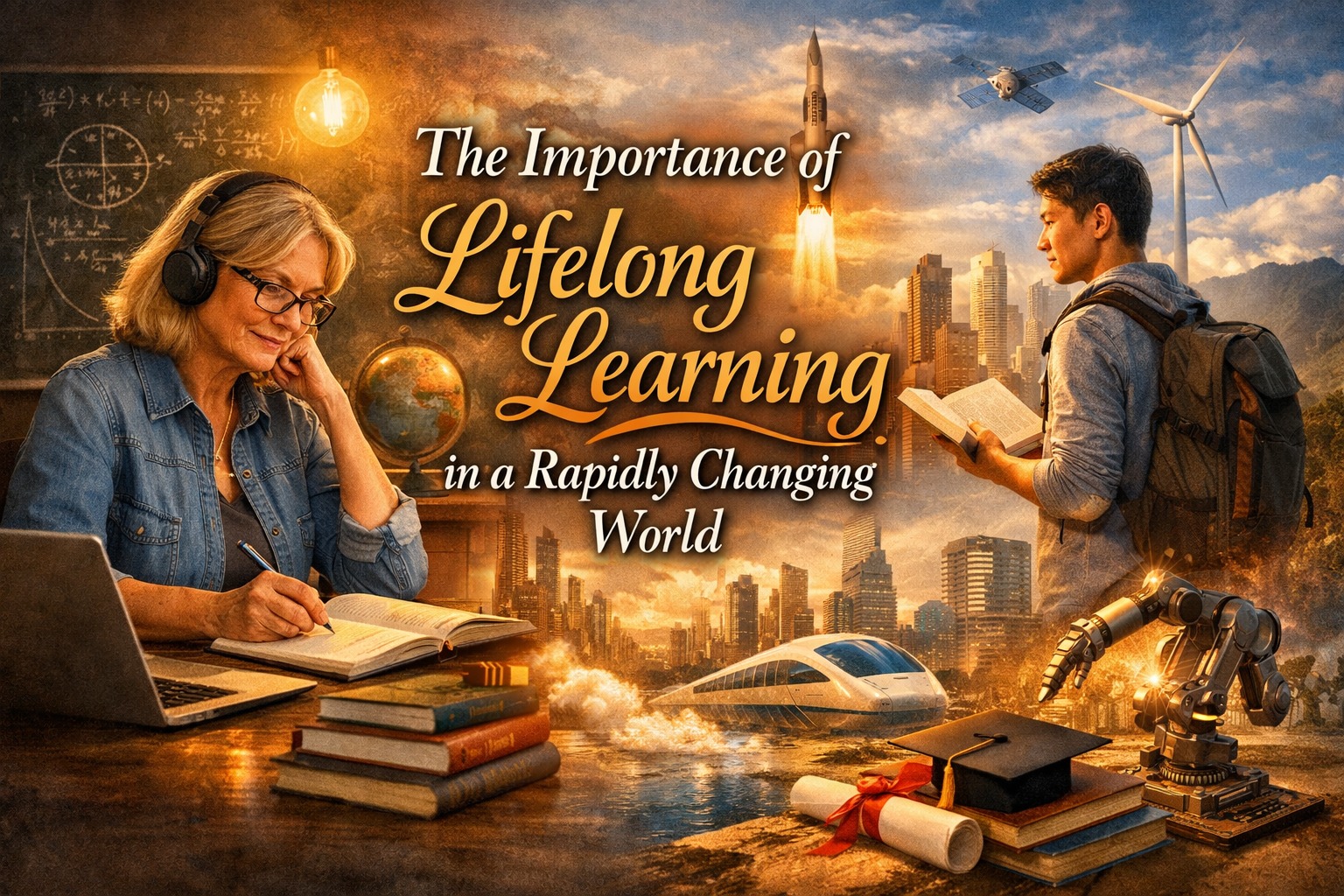
In today's fast-moving world, lifelong learning has become more important than ever before. Technological advancements, economic changes, and global competition continue to reshape the way people live and work. Skills that were valuable a few years ago may become outdated, while new knowledge and abilities are constantly in demand. Because of these changes, learning should not stop after finishing school or university.
Continuous learning helps individuals stay relevant, adaptable, and prepared for future challenges. Whether someone is a student, employee, entrepreneur, or retiree, developing new skills can improve confidence, increase opportunities, and support personal growth. Lifelong learning is no longer just an option—it is an essential part of building a successful and meaningful life.
WHY LIFELONG LEARNING MATTERS
Lifelong learning means continuously gaining new knowledge, improving existing skills, and exploring fresh ideas throughout life. It can happen through formal education, online courses, professional training, reading books, attending seminars, or learning from daily experiences. This approach encourages curiosity and a willingness to grow regardless of age or career stage.
As industries evolve rapidly, people who continue learning are better equipped to handle change. They can solve problems more effectively, make informed decisions, and adapt to new technologies with greater confidence. Personal development also becomes stronger because lifelong learners develop resilience, creativity, and critical thinking skills that benefit both their professional and personal lives.
HOW TECHNOLOGY HAS CHANGED THE WAY WE LEARN
The rise of digital technology has made learning easier and more accessible than ever before. Today, people can access thousands of educational resources from anywhere using smartphones, tablets, or computers. Online learning, educational videos, virtual classrooms, and digital libraries allow learners to study at their own pace and according to their own schedules.
Technology also supports interactive learning experiences through simulations, quizzes, and collaborative platforms. Artificial intelligence, personalized learning systems, and virtual reality continue to improve educational quality. By embracing these innovations, learners can gain practical skills that are directly applicable to today's workplace and future careers.
BENEFITS OF CONTINUOUS SKILL DEVELOPMENT
One of the greatest advantages of continuous learning is improved career growth. Employers increasingly value professionals who actively update their knowledge and demonstrate a commitment to self-improvement. Individuals who regularly learn new skills often have better chances of receiving promotions, changing careers successfully, or starting their own businesses.
Beyond career success, lifelong learning contributes to better mental health and personal satisfaction. Learning stimulates the brain, enhances memory, and keeps the mind active. It also builds self-confidence because mastering new abilities creates a sense of achievement and motivates people to pursue even greater goals.
OVERCOMING CHALLENGES TO LIFELONG LEARNING
Many people believe they do not have enough time, money, or motivation to continue learning. However, modern educational resources have become more affordable and flexible than ever before. Even spending a few minutes each day reading articles, listening to educational podcasts, or watching instructional videos can produce meaningful progress over time.
Creating a learning habit begins with setting realistic goals and maintaining consistency. Choosing subjects that match personal interests or career aspirations makes learning more enjoyable and sustainable. Self-discipline, curiosity, and a positive mindset are essential qualities that help learners overcome obstacles and continue improving throughout their lives.
STRATEGIES TO BUILD A LIFELONG LEARNING MINDSET
Developing a lifelong learning mindset starts with embracing curiosity and accepting that learning never truly ends. People should regularly evaluate their strengths and identify areas where improvement is needed. Setting clear learning objectives makes it easier to stay focused and measure progress over time.
Building connections with mentors, colleagues, and learning communities also supports continuous improvement. Sharing ideas and experiences creates opportunities to gain different perspectives and practical knowledge. By making learning a daily habit, individuals can remain adaptable, competitive, and ready to succeed in an ever-changing world.
CONCLUSION
The importance of lifelong learning continues to grow as the world changes at an unprecedented pace. Continuous education helps individuals develop valuable skills, adapt to technological advancements, and remain competitive in today's evolving job market. More importantly, lifelong learning supports personal growth, critical thinking, and long-term success in every stage of life.
By embracing continuous learning, using modern educational resources, and maintaining curiosity, everyone can unlock new opportunities and build a brighter future. Investing in knowledge is one of the most valuable decisions anyone can make because learning creates lasting benefits that extend far beyond the classroom.
About the Author
Gusti Ayu Tita P
Author — STEKOM University
An active author focused on academic issues, educational technology, and human resource development in the campus environment.