The Importance Of Nationalism In The Lives Of Young People
Gusti Ayu Tita P
4 Agustus 2026
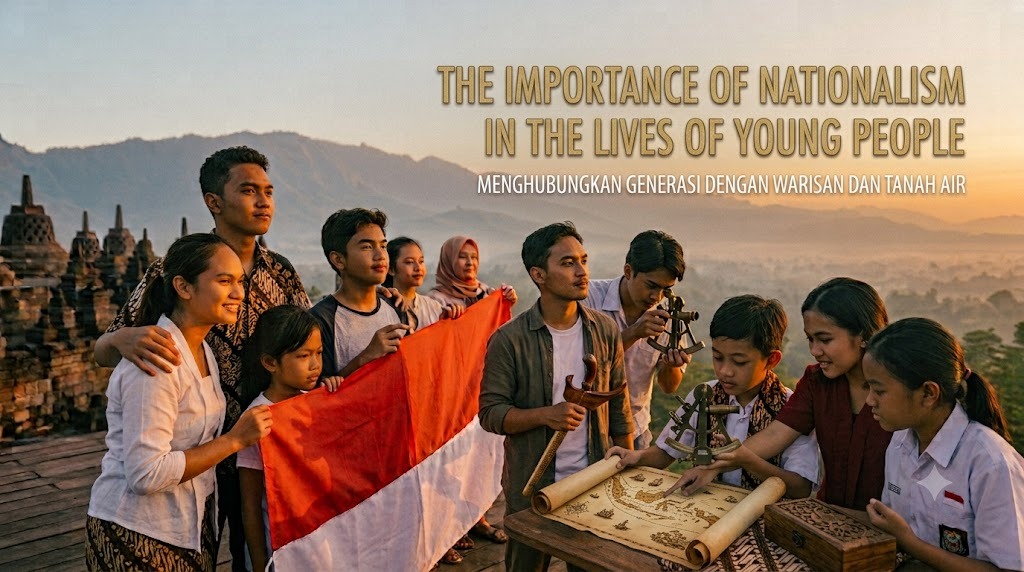
Nationalism is an important value that encourages people to love, respect, and care for their country. For young people, nationalism can become a guide for developing a strong character while facing the challenges of modern life. Young people are the future generation that will continue the development of their country. Therefore, developing a sense of love for the country, responsibility, unity, and respect for diversity is very important.
In the modern era, young people are exposed to information, cultures, and ideas from different parts of the world. This situation provides many opportunities for learning and development, but it can also influence their attitudes and identity. Healthy nationalism does not mean rejecting foreign cultures or considering one country superior to another. Instead, it means appreciating one's own country while respecting other nations and cultures.
UNDERSTANDING NATIONALISM AMONG YOUNG PEOPLE
Nationalism can be understood as a sense of belonging, loyalty, and responsibility toward one's nation. It encourages individuals to contribute positively to their communities and respect the values that support national unity. For young people, nationalism can be expressed through everyday actions rather than only through national ceremonies. Respecting others, following rules, learning about history, and contributing to society are simple examples of nationalistic behavior.
Nationalism should also be connected with positive values such as tolerance, responsibility, cooperation, and respect for diversity. Young people do not need to agree on everything to maintain unity. Instead, they can learn to accept differences and solve disagreements peacefully. This approach helps create a society where young people can grow while maintaining a strong sense of national identity.
WHY NATIONALISM IS IMPORTANT FOR YOUNG PEOPLE
Young people play an important role in determining the future direction of a country. Their ideas, skills, creativity, and actions can influence society in many ways. A strong sense of nationalism can encourage young people to use their abilities for positive contributions to their communities and country. It can also help them understand that personal success can be connected to the progress of society.
Nationalism can strengthen a young person's sense of responsibility. When young people care about their country, they are more likely to care about issues such as education, the environment, social welfare, and cultural preservation. Nationalism encourages young people to become active citizens rather than passive observers. This responsibility can help build a stronger and more united society.
NATIONALISM AND NATIONAL UNITY
National unity is essential for countries with diverse populations. Indonesia, for example, has many ethnic groups, languages, religions, traditions, and cultures. Young people can help maintain unity by respecting differences and avoiding discrimination. Tolerance and mutual respect can prevent disagreements from becoming serious conflicts.
Young people can also strengthen unity by working together in schools, communities, organizations, and online spaces. Teamwork teaches them to appreciate different perspectives while focusing on common goals. By building relationships across different backgrounds, young people can help create a more inclusive society. In this way, nationalism becomes a force that connects people rather than separating them.
PRESERVING CULTURE AS A FORM OF NATIONALISM
Every country has cultural traditions that contribute to its identity. Indonesia has a rich cultural heritage, including traditional dances, music, languages, clothing, food, arts, and local traditions. Young people have an important role in ensuring that these traditions remain known and appreciated. Learning about local culture can also help young people understand their history and strengthen their sense of identity.
Modern technology provides new ways to preserve and promote culture. Young people can create videos, digital artwork, educational content, or social media posts that introduce local traditions to wider audiences. Digital creativity can make traditional culture more attractive and accessible to younger generations. By combining cultural knowledge with modern technology, young people can preserve national identity while adapting to changing times.
USING TECHNOLOGY RESPONSIBLY
Technology has become an important part of young people's daily lives. Social media and digital platforms allow them to communicate, learn, create, and share information quickly. These platforms can support nationalism when they are used to promote positive information, local culture, educational content, and achievements. Technology can also connect young Indonesians with people from different regions and backgrounds.
However, the digital environment also contains misinformation, hate speech, cyberbullying, and content that can create social divisions. Young people need strong digital literacy and critical thinking skills to evaluate information before sharing it. Checking reliable sources and avoiding harmful content are simple ways to protect social harmony. Responsible technology use is therefore an important part of modern nationalism.
DEVELOPING A SENSE OF LOVE FOR THE COUNTRY
Love for the country can be shown through everyday behavior. Young people can demonstrate it by studying seriously, protecting the environment, respecting public facilities, following laws, and helping people around them. Supporting local businesses and appreciating Indonesian products can also contribute to the national economy. These actions may seem simple, but they can create meaningful positive effects when practiced consistently.
Learning about national history is another important way to develop love for the country. Understanding the struggles and achievements of previous generations can help young people appreciate the opportunities they have today. Knowing history can build pride while also creating a sense of responsibility for the future. Young people can then use this understanding to make thoughtful decisions and contribute to society.
THE ROLE OF EDUCATION IN BUILDING NATIONALISM
Education plays a major role in developing nationalism among young people. Schools can teach history, citizenship, cultural values, and social responsibility while encouraging students to respect different perspectives. Education should not only focus on academic knowledge but also help students develop character, discipline, cooperation, and critical thinking. These qualities can prepare young people to become responsible citizens.
Learning can also happen outside the classroom. Young people can participate in community service, cultural activities, student organizations, volunteer programs, and environmental projects. Such activities give them opportunities to practice responsibility and cooperation directly. Through meaningful experiences, nationalism can become a part of their daily behavior rather than simply a concept learned at school.
SUPPORTING LOCAL PRODUCTS AND ACHIEVEMENTS
Supporting local products and national achievements is another way young people can show nationalism. Indonesia has many entrepreneurs, artists, athletes, researchers, and creative workers who contribute to the country's development. Young people can support them by appreciating quality local products and sharing positive achievements. This can encourage local businesses and creators to continue developing.
At the same time, nationalism does not require young people to reject products or ideas from other countries. Being open to global influences while appreciating local achievements creates a balanced perspective. Young people can learn from international developments and use that knowledge to improve their own skills. This approach can help Indonesia become more competitive without losing its cultural identity.
CHALLENGES TO NATIONALISM IN THE MODERN ERA
Young people face several challenges when developing and maintaining nationalism. Globalization, social media, misinformation, excessive individualism, and cultural changes can influence how young people see their identity and society. Constant exposure to international trends can sometimes make local traditions seem less interesting. However, global interaction can also provide valuable opportunities when approached critically.
The key is to develop the ability to choose positive influences while maintaining important national values. Young people should not isolate themselves from the global community. Instead, they can become open-minded, digitally literate, culturally aware, and responsible citizens. This balance allows them to participate in the modern world while remaining connected to their national identity.
CONCLUSION
Nationalism is important in the lives of young people because it helps develop responsibility, unity, cultural awareness, and a strong sense of belonging. Young people can practice nationalism through simple actions such as respecting diversity, preserving culture, using technology responsibly, supporting local products, studying history, and participating in community activities.
The future of a country depends partly on the values and abilities of its younger generation. Therefore, young people need to develop knowledge, creativity, tolerance, responsibility, and love for their country. When these values are practiced consistently, nationalism can remain meaningful in the modern era and contribute to a stronger, more united, and more prosperous Indonesia.
About the Author
Gusti Ayu Tita P
Author — STEKOM University
An active author focused on academic issues, educational technology, and human resource development in the campus environment.