The Influence Of MBG On Healthy Eating Habits Among School Children
Gusti Ayu Tita P
20 Agustus 2026
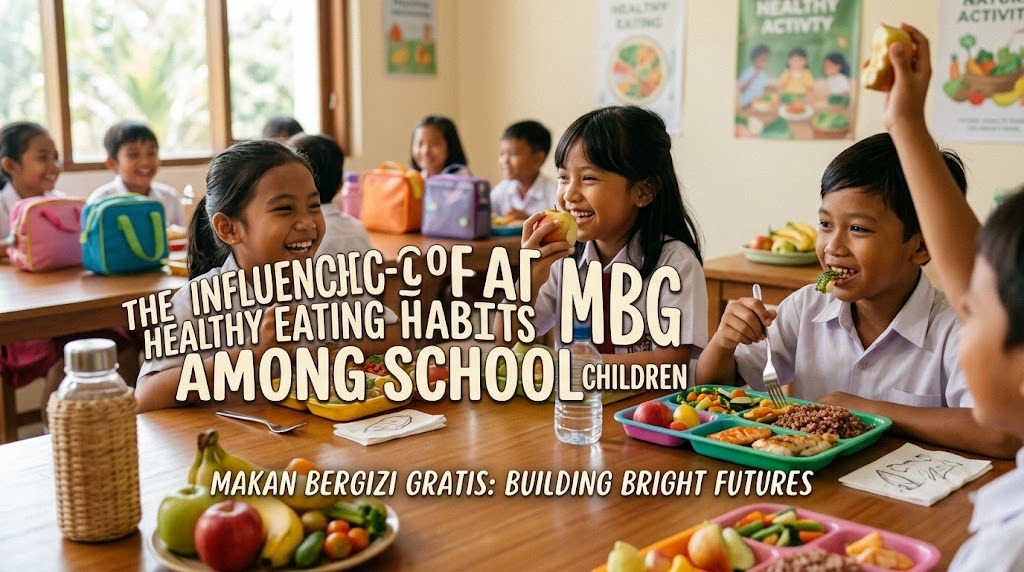
Makan Bergizi Gratis (MBG) is a government nutrition initiative that provides meals to targeted beneficiaries, including school children. Beyond addressing access to food, the program can create an opportunity to introduce students to balanced nutrition and healthier eating patterns. Children develop many of their food preferences and habits during their school years. Regular exposure to nutritious meals may therefore influence how they understand and choose food. When supported by nutrition education and family involvement, MBG can contribute to the development of healthier eating habits among Indonesian children.
UNDERSTANDING HEALTHY EATING HABITS IN CHILDREN
Healthy eating habits involve consuming a variety of nutritious foods in appropriate amounts. Children need different food groups to obtain energy, protein, vitamins, minerals, healthy fats, and dietary fiber. A balanced diet commonly includes staple foods, protein sources, vegetables, fruits, and adequate fluids. Developing these habits early can support children's growth and long-term wellbeing.
Food preferences are influenced by many factors, including family habits, culture, food availability, advertising, peers, and personal taste. School environments can also influence what children consider normal or desirable food. This makes school meal programs potentially useful for creating positive food experiences. However, one meal program alone cannot determine a child's lifelong eating behavior.
HOW MBG INTRODUCES BALANCED MEALS
One way MBG can influence eating habits is by providing children with balanced meal combinations during school hours. Meals may contain staple foods, protein sources, vegetables, fruits, and other nutrient-rich ingredients. Regular exposure to different food groups can help children become more familiar with nutritious foods. This can make balanced meals a more normal part of their daily experience.
Menu diversity is particularly important because children need different nutrients. Foods such as fish, eggs, legumes, vegetables, fruits, and local staple foods can provide a range of nutrients when appropriately combined. Menus can also incorporate safe and nutritious local ingredients that are familiar to students. Variety can make meals more interesting while supporting dietary quality.
ENCOURAGING CHILDREN TO EAT MORE NUTRITIOUS FOODS
Children may become more willing to try nutritious foods when they are presented regularly and in appealing ways. MBG can provide opportunities for students to experience vegetables, fruits, protein-rich foods, and other nutrient-dense ingredients that they may not regularly consume. Repeated exposure can sometimes increase familiarity with foods that were previously disliked. However, children's responses to food vary, so encouragement should remain positive rather than forceful.
Food presentation, taste, texture, and cultural familiarity can affect whether students accept a meal. Menus should therefore consider children's preferences while maintaining appropriate nutritional standards. Student feedback can help identify meals that are widely accepted and foods that are frequently left uneaten. This information can support better menu planning and lower food waste.
DEVELOPING NUTRITION AWARENESS
MBG can be more effective when meals are combined with nutrition education. Students can learn why their meals contain different food groups and how nutrients support their bodies. Simple explanations can help children understand the relationship between food, growth, energy, and health. Practical education can make nutrition concepts easier to remember.
Teachers can integrate nutrition topics into classroom activities without making lessons complicated. Children can learn about vegetables, fruits, protein, water, and balanced portions through age appropriate examples. Schools can also encourage students to recognize healthier choices when buying or selecting food. Increased nutrition awareness can help children make more informed decisions outside the school environment.
THE ROLE OF FAMILIES IN SUPPORTING HEALTHY HABITS
Families have a major influence on children's eating behavior because many meals are consumed at home. Parents can reinforce the lessons from MBG by providing balanced and nutritious meals outside school. They can also encourage children to eat a variety of foods and drink sufficient water. Consistency between school and home can make healthy habits easier to maintain.
Parents should also avoid presenting healthy eating as punishment or strict restriction. Children need positive experiences with food and should be encouraged to develop balanced habits appropriate for their age. Families can use school meal experiences as opportunities to discuss which foods children enjoy and why different foods are important. Family involvement can therefore strengthen the potential influence of MBG.
THE ROLE OF SCHOOLS AND TEACHERS
Schools provide an environment where children spend a significant part of their day. Teachers can support healthy eating by encouraging good hygiene, balanced food choices, and positive attitudes toward nutritious meals. Schools can also help students understand why certain foods are included in MBG menus. This creates a connection between nutrition and everyday school life.
Schools can monitor meal acceptance and collect feedback from students. If particular foods are frequently wasted, schools can communicate this information to program managers. However, student preferences should be balanced with nutritional requirements rather than becoming the only basis for menu decisions. Cooperation between teachers, nutrition professionals, and food providers can improve meal quality and acceptance.
REDUCING UNHEALTHY FOOD CHOICES
Children are often exposed to foods and drinks that are high in added sugars, salt, or unhealthy fats. Frequent consumption of such products can contribute to poor dietary quality when they replace more nutritious foods. MBG can provide a positive alternative by making nutritious meals more accessible during school hours. This may help children become more familiar with healthier options.
The program should not be interpreted as requiring children to completely avoid all less nutritious foods. Instead, children can learn about balance, moderation, and dietary variety. Nutrition education can explain why some foods should be consumed less frequently while nutrient-rich foods should form the foundation of the diet. This balanced approach is more realistic and sustainable.
SUPPORTING HEALTHY HABITS BEYOND SCHOOL
The influence of MBG can extend beyond the school meal when children take their nutrition knowledge home. Students may share information about balanced meals with parents, siblings, and friends. Over time, this can create opportunities for healthy food discussions within families. However, whether these changes occur depends on the support children receive outside school.
Other healthy behaviors should also be promoted alongside nutrition. Regular physical activity, adequate sleep, clean water, personal hygiene, and appropriate healthcare are important parts of children's wellbeing. A healthy eating pattern works best as part of a broader healthy lifestyle. Schools and families can work together to reinforce these habits.
CHALLENGES IN CHANGING EATING HABITS
Changing children's eating habits can take time because food preferences are influenced by many factors. Some children may reject certain vegetables, fruits, or unfamiliar foods. Household eating patterns, peer influence, marketing, and access to food can also affect behavior. Therefore, MBG should not be expected to change eating habits immediately.
A practical approach is to provide consistent exposure, nutrition education, menu variety, and positive encouragement. Schools can monitor which foods students accept and identify reasons for food waste. Families can reinforce nutritious choices at home without creating negative attitudes toward food. Gradual changes may be more sustainable than expecting immediate behavioral transformation.
MONITORING THE INFLUENCE OF MBG
The influence of MBG should be evaluated through more than the number of meals distributed. Monitoring can examine dietary diversity, meal acceptance, food waste, nutrition knowledge, and participation. Where appropriate, broader nutritional indicators can also be assessed through established health monitoring systems. These data can help determine whether the program is producing meaningful changes.
Feedback from students, teachers, parents, and nutrition professionals can provide valuable information. Program managers can use this feedback to improve menus, educational activities, and distribution practices. Evaluation should distinguish between changes associated with MBG and changes caused by other factors. Evidence based monitoring can make future improvements more effective.
CONCLUSION
MBG has the potential to influence healthy eating habits among school children by providing regular exposure to balanced meals and creating opportunities for practical nutrition education. The program can encourage children to become more familiar with vegetables, fruits, protein sources, and other nutritious foods. Its influence can become stronger when schools and families work together to reinforce healthy choices. However, changing eating behavior takes time and depends on many factors beyond school meals. With balanced menus, positive nutrition education, student feedback, family participation, and continuous evaluation, MBG can contribute to healthier eating habits that support Indonesian children's growth and wellbeing.
About the Author
Gusti Ayu Tita P
Author — STEKOM University
An active author focused on academic issues, educational technology, and human resource development in the campus environment.