The Influence of Social Media on Healthy Living
Gusti Ayu Tita P
24 Juli 2026
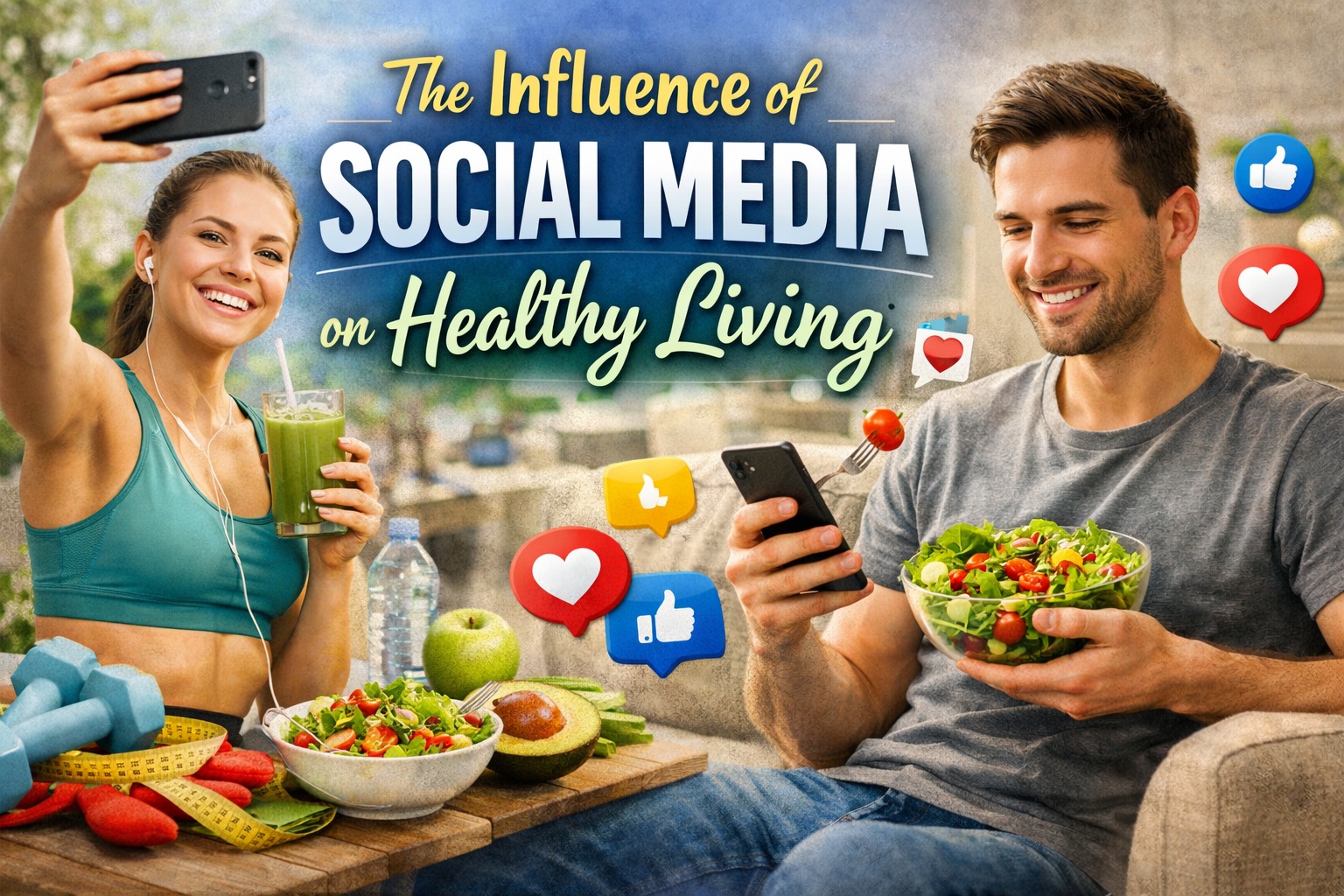
In the digital era, social media has become an essential part of daily life. Millions of people use platforms such as Instagram, TikTok, YouTube, and Facebook to find information, connect with others, and discover new trends. One of the fastest-growing trends on social media is healthy living, where users share workout routines, nutritious recipes, wellness tips, and personal fitness journeys.
The increasing popularity of health-related content has encouraged many individuals to adopt healthier habits. However, while social media offers valuable inspiration and education, it can also spread misinformation and unrealistic expectations. Understanding both the positive and negative influences of social media is important for maintaining a balanced and healthy lifestyle.
POSITIVE IMPACT OF SOCIAL MEDIA ON HEALTHY LIVING
One of the greatest benefits of social media is its ability to provide easy access to health information. People can quickly learn about balanced diets, exercise techniques, mental wellness, and healthy daily habits from qualified experts and trusted organizations. Educational videos, infographics, and live discussions make health topics easier to understand for audiences of all ages.
In addition, social media creates supportive communities that motivate individuals to stay committed to their health goals. Many users join fitness challenges, healthy eating groups, or wellness communities where they encourage one another. This sense of accountability often helps people remain consistent with their routines. Seeing others achieve their goals can also inspire users to improve their own lifestyle.
HOW SOCIAL MEDIA ENCOURAGES HEALTHIER HABITS?
Many influencers and health professionals regularly share practical advice that people can apply in their everyday lives. Healthy recipes, simple home workouts, hydration reminders, and stress management techniques are widely available without any cost. This accessibility makes healthy living feel more achievable for beginners.
Social media also helps people track their progress by sharing milestones with friends and followers. Posting workout achievements or meal preparations can strengthen personal commitment and boost confidence. Positive feedback from online communities often motivates users to continue making healthy choices. As a result, social media becomes a valuable tool for building long-term healthy habits.
THE RISKS OF HEALTH MISINFORMATION
Despite its advantages, social media also contains a significant amount of misleading health content. Anyone can publish health advice, even without professional qualifications or scientific evidence. This situation may lead people to follow unsafe diets, ineffective supplements, or harmful exercise methods.
False information spreads quickly because attractive videos and viral posts often receive more attention than verified medical advice. Users who do not verify the credibility of their sources may unknowingly adopt unhealthy practices. Therefore, it is essential to check whether information comes from reliable experts, healthcare professionals, or recognized health organizations before applying it.
THE EFFECT OF SOCIAL MEDIA ON MENTAL WELL-BEING
While social media can motivate healthy behaviors, excessive use may negatively affect mental health. Constant exposure to edited photos and seemingly perfect lifestyles may create unrealistic expectations about body image and personal success. This comparison can reduce self-confidence and increase feelings of anxiety or dissatisfaction.
Maintaining a healthy relationship with social media requires balance. Users should remember that many online posts show only the highlights of someone's life rather than reality. Taking regular breaks from social media and focusing on personal progress instead of comparison can significantly improve emotional well-being.
TIPS FOR USING SOCIAL MEDIA RESPONSIBLY
To gain the greatest benefits from social media, users should carefully choose the accounts they follow. Prioritize content created by certified health professionals, registered dietitians, fitness experts, and reputable medical institutions. Reliable information helps people make informed decisions about their health.
It is equally important to limit screen time and avoid relying solely on online advice for serious health concerns. Combining online inspiration with professional medical guidance creates a safer and more effective approach to healthy living. By using social media wisely, individuals can enjoy its educational benefits while minimizing potential risks.
CONCLUSION
Social media has transformed the way people learn about healthy living. It provides valuable educational resources, supportive communities, and daily motivation that encourage healthier lifestyles. At the same time, users must remain aware of misinformation, unrealistic standards, and the potential effects on mental well-being.
When used responsibly, social media becomes a powerful tool for improving physical and mental health. Critical thinking, balanced usage, and reliance on trustworthy sources enable individuals to make better health decisions and maintain sustainable healthy habits.
About the Author
Gusti Ayu Tita P
Author — STEKOM University
An active author focused on academic issues, educational technology, and human resource development in the campus environment.