The Influence of Social Media on Teenagers’ Mood
Gusti Ayu Tita P
16 Juli 2026
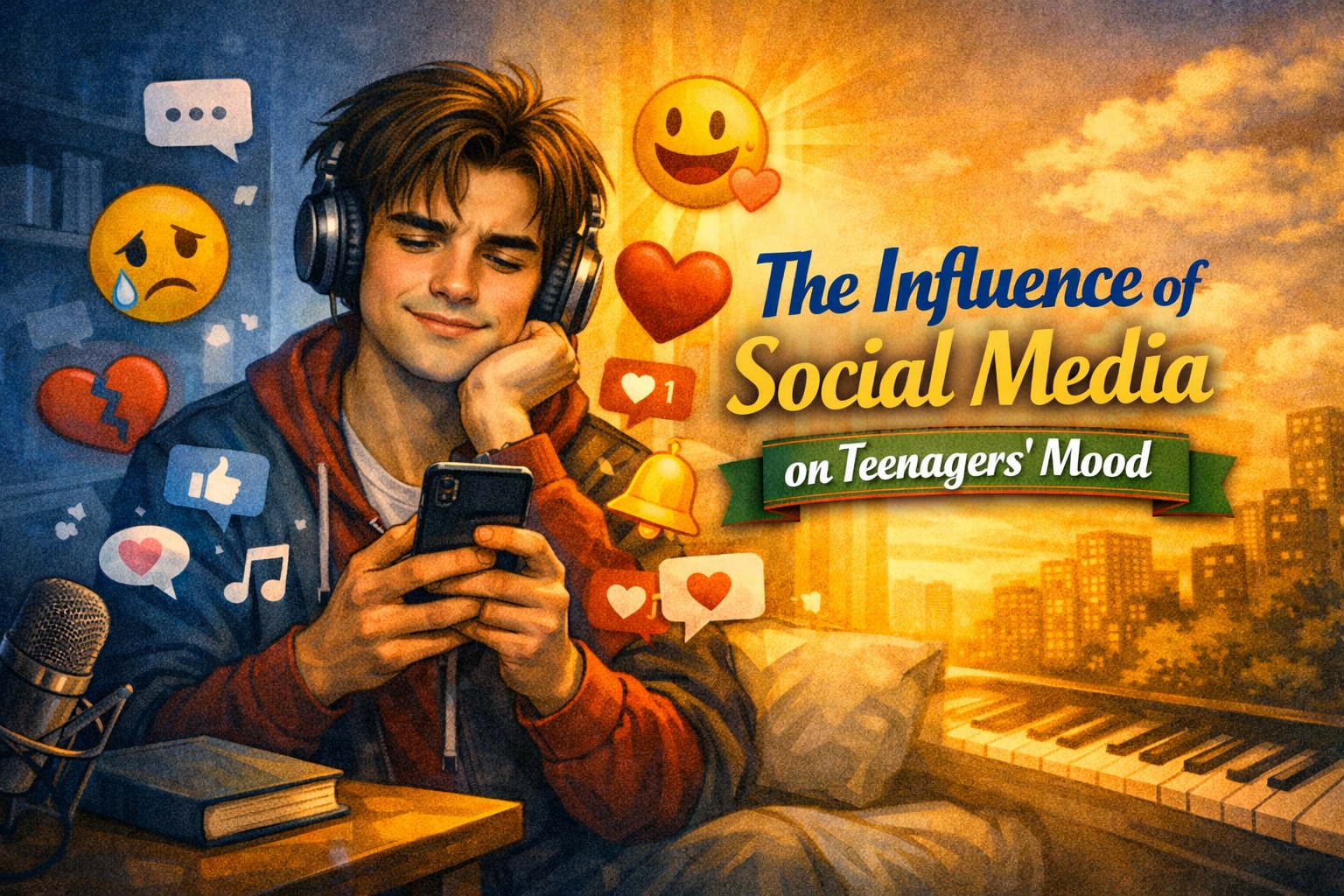
Social media has become a major part of teenagers’ daily lives. Platforms such as Instagram, TikTok, Snapchat, and X are no longer just places to share photos or videos. They are spaces where teenagers communicate, express themselves, and build their identities. While social media offers entertainment and connection, it also has a strong influence on teenagers’ moods and emotional well-being.
Many teenagers spend several hours a day scrolling through content, chatting with friends, and following trends. This digital lifestyle can affect how they think, feel, and react to situations around them.
HOW SOCIAL MEDIA AFFECTS TEENAGERS’ EMOTIONS
Social media can create both positive and negative emotions. Positive interactions, such as supportive comments, funny videos, or inspirational content, can improve a teenager’s mood. Teenagers often feel happy when they receive likes, compliments, or messages from friends.
However, social media can also trigger feelings of sadness, stress, and anxiety. Comparing themselves to influencers or classmates may cause teenagers to feel insecure about their appearance, achievements, or lifestyle. Seeing “perfect” photos and luxury lifestyles online often creates unrealistic expectations.
In some cases, negative comments or online bullying can seriously affect teenagers’ mental health. Hurtful words shared online can stay visible for a long time and continue impacting emotions even after the situation ends.
THE ROLE OF DOPAMINE AND DIGITAL ADDICTION
Social media platforms are designed to keep users engaged. Notifications, likes, and new content activate dopamine in the brain, which creates feelings of pleasure and excitement. Teenagers may repeatedly check their phones because they enjoy the emotional reward they receive from online interactions.
Over time, this habit can become addictive. Teenagers may feel restless or bored when they are away from social media. Excessive screen time can also reduce sleep quality, lower concentration, and increase emotional instability.
POSITIVE EFFECTS OF SOCIAL MEDIA
Despite the risks, social media also provides several benefits for teenagers. It allows them to stay connected with friends and family, especially during busy schedules or long distances. Social media can also become a platform for creativity, learning, and self-expression.
Educational content, motivational videos, and supportive communities can help teenagers develop new skills and gain confidence. Many young people use social media to share art, music, photography, or personal achievements.
Additionally, social media can raise awareness about mental health, social issues, and global events. Teenagers can access valuable information and participate in positive discussions online.
NEGATIVE EFFECTS OF SOCIAL MEDIA
Using social media without limits may lead to emotional problems. Teenagers who spend too much time online are more likely to experience stress, loneliness, and low self-esteem. Constant exposure to edited photos and viral trends can create pressure to look or behave a certain way.
Fear of missing out, commonly known as FOMO, is another common issue. Teenagers may feel left behind when they see friends attending events or enjoying experiences without them.
Cyberbullying is also a serious concern. Negative comments, rumors, or embarrassing content shared online can damage confidence and emotional health.
HOW TEENAGERS CAN USE SOCIAL MEDIA WISELY
Teenagers should learn how to balance online and offline activities. Limiting screen time and taking regular breaks from social media can help improve emotional well-being. Spending time with family, exercising, reading, or doing hobbies are healthy alternatives.
Following positive and inspiring accounts can also create a better online environment. Teenagers should avoid comparing themselves to unrealistic online images and remember that many posts only show the best moments of people’s lives.
Parents and teachers also play an important role in guiding teenagers about healthy social media habits. Open communication and emotional support can help teenagers manage online pressure more effectively.
CONCLUSION
Social media has a powerful influence on teenagers’ moods. It can bring happiness, creativity, and connection, but it can also create stress, insecurity, and emotional challenges. The key is learning how to use social media in a balanced and healthy way.
By understanding both the positive and negative effects, teenagers can enjoy the benefits of social media without allowing it to control their emotions or daily lives.
About the Author
Gusti Ayu Tita P
Author — STEKOM University
An active author focused on academic issues, educational technology, and human resource development in the campus environment.