
The Lasting Impact of Small Acts of Kindness
Gusti Ayu Tita P
9 September 2026
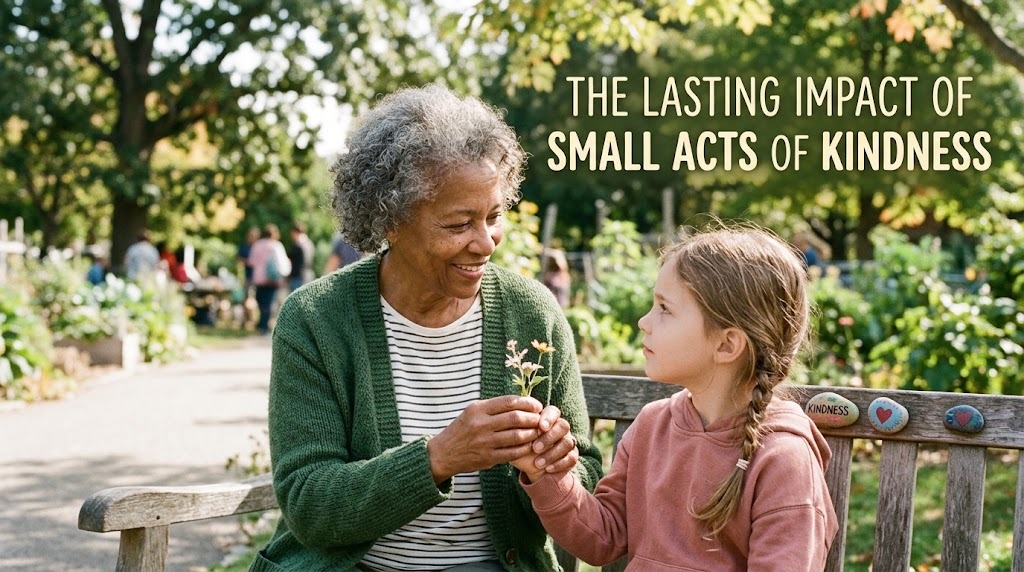
Kindness does not always require a major effort or a dramatic gesture. A simple smile, a thoughtful message, or helping someone with a small task can create a meaningful experience. These actions may take only a few moments, but their effects can last much longer. This is why small acts of kindness can have an important role in everyday life.
People often remember how others made them feel rather than the exact words that were spoken. A small act can provide encouragement when someone is having a difficult day. It can also strengthen relationships and create a more positive environment. Over time, repeated kindness can leave a lasting positive impact on individuals and communities.
SMALL KINDNESS CAN MAKE A BIG DIFFERENCE
A small act of kindness may seem insignificant to the person giving it. However, the receiver may experience it differently, especially during a difficult situation. A simple offer of help can reduce someone's stress or make them feel less alone. This demonstrates how simple actions can carry meaningful value.
Kindness does not need to be expensive or complicated. Listening carefully, sharing useful information, holding a door, or offering encouragement can all make a difference. What matters is the genuine intention behind the action. Consistent small gestures can gradually create positive experiences for others.
KINDNESS CAN STRENGTHEN RELATIONSHIPS
Healthy relationships are often built through everyday interactions. Showing appreciation, respecting other people's feelings, and offering support can create trust and emotional connection. These behaviors help people feel valued and understood.
Strong relationships rarely develop from one major event alone. They are usually formed through repeated positive experiences. When kindness becomes part of daily communication, people may feel more comfortable supporting each other. In this way, kindness can become a foundation for stronger relationships.
KINDNESS CAN SPREAD FROM ONE PERSON TO ANOTHER
Positive behavior can influence the people who witness or receive it. Someone who experiences genuine kindness may become more willing to help another person later. This creates a chain of positive actions that can continue beyond the original interaction.
The process does not require people to know one another. A simple act can inspire someone to behave more positively toward friends, family members, classmates, or coworkers. As more people participate, a small gesture can contribute to a more supportive environment.
KINDNESS CAN IMPROVE DAILY WELL BEING
Kindness can affect both social interactions and personal experiences. Helping others can create a sense of purpose and strengthen feelings of connection. Positive interactions may also make ordinary days feel more meaningful.
However, kindness should not become a way to ignore personal boundaries. People still need to recognize their own limits and responsibilities. Genuine kindness includes respecting yourself while caring about others.
KIND WORDS CAN LEAVE LASTING MEMORIES
Words have the ability to influence how people see themselves and their situation. A sincere compliment or encouraging message may remain in someone's memory for a long time. During difficult moments, supportive words can provide confidence and motivation.
The opposite can also happen when words are careless or intentionally hurtful. Negative comments can leave emotional traces even after a conversation has ended. Therefore, choosing words carefully is an important part of practicing everyday kindness.
KINDNESS MATTERS IN THE DIGITAL WORLD
Modern communication has moved beyond face to face interactions. People now express opinions and communicate through social media, messaging platforms, and online communities. A respectful comment or helpful response can create positive digital interactions.
At the same time, digital communication can make harmful behavior easier because people may not immediately see its impact. Before posting or responding, it is useful to consider how the message could affect another person. Practicing kindness online can help create a healthier digital environment.
SMALL ACTIONS CAN BUILD TRUST
Trust develops through repeated experiences rather than promises alone. When someone consistently keeps their word, offers help, and treats others respectfully, people are more likely to feel comfortable around them. These behaviors demonstrate reliability and care.
Small actions can therefore contribute to stronger cooperation. In classrooms, workplaces, families, and communities, people are more willing to work together when they feel respected. Over time, everyday kindness can help create stronger social connections.
KINDNESS DOES NOT ALWAYS NEED A REWARD
Some people may expect kindness to be returned immediately. However, genuine kindness does not depend on receiving something in exchange. Helping another person can have value even when there is no direct reward.
A positive action may influence someone in a way that the original giver never sees. The person who receives help may remember the experience and later help someone else. This shows that the impact of kindness can continue without returning in the same form.
KINDNESS CAN BECOME A DAILY HABIT
One of the easiest ways to make kindness meaningful is to practice it consistently. People can start with simple habits such as saying thank you, listening without interrupting, offering assistance, and acknowledging other people's efforts. Repeated behavior can gradually make kindness part of everyday character.
Consistency is more important than the size of each action. A person does not need to perform extraordinary gestures to make a difference. Small positive behaviors practiced regularly can create a lasting influence on relationships and surroundings.
KINDNESS CAN LEAVE A LASTING LEGACY
People may forget many details of daily life, but they often remember how someone treated them. A person who consistently shows compassion and respect can leave behind positive memories. These memories can influence how others behave even after the original interaction has ended.
A meaningful legacy does not always involve achievements or public recognition. Sometimes it is simply the positive influence someone has on the people around them. Small acts of kindness can therefore become part of a lasting human connection.
CONCLUSION
The lasting impact of small acts of kindness shows that meaningful change does not always begin with extraordinary actions. Simple gestures can strengthen relationships, build trust, improve daily experiences, and inspire others to spread kindness. Their effects may continue long after the original action has taken place.
Kindness should not be measured only by the reward it produces. Its true value can be found in the positive impact it creates for others. By making kindness a consistent part of everyday behavior, people can leave meaningful traces and contribute to a more caring environment.
About the Author
Gusti Ayu Tita P
Author — STEKOM University
An active author focused on academic issues, educational technology, and human resource development in the campus environment.















