
The Law of Karma Behind Every Decision
Gusti Ayu Tita P
9 September 2026
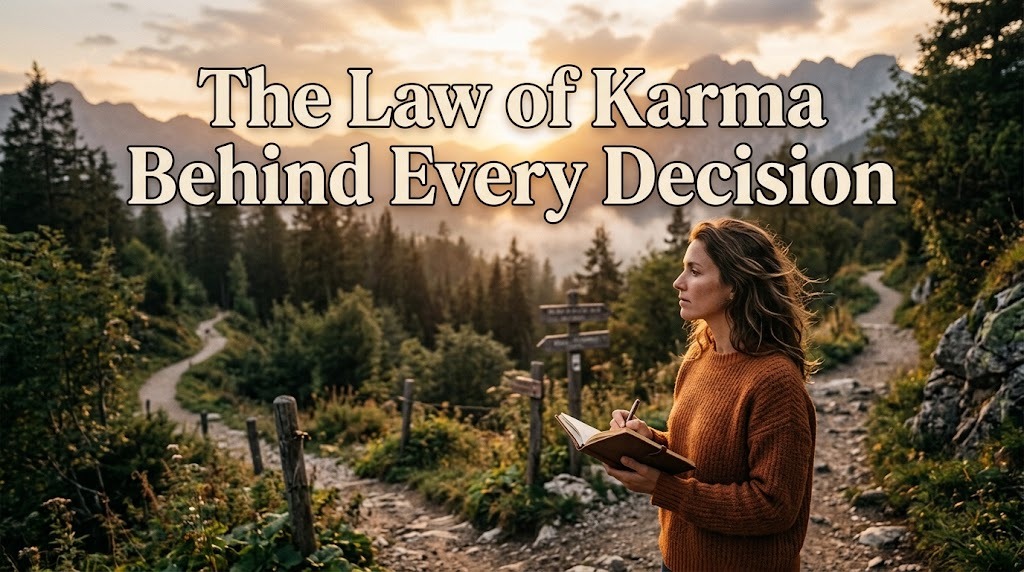
Every day, people make decisions that can influence their lives in ways they may not immediately notice. Choosing honesty over deception, helping someone instead of ignoring them, or accepting responsibility can create different consequences. This idea is often connected to the law of karma, which links actions, intentions, and their possible effects. Understanding this concept can encourage people to think more carefully before making important choices.
Not every decision produces an immediate or predictable result. Some consequences appear through relationships, habits, reputation, or opportunities that develop over time. A small decision made today can sometimes influence choices made months or even years later. This is why every decision can become part of a larger life pattern.
UNDERSTANDING THE LAW OF KARMA
The concept of karma has different meanings across religious and philosophical traditions. In a broad sense, karma is associated with actions, intentions, and consequences. It is not simply a system in which every person receives an identical reward or punishment for everything they do.
In everyday life, karma can be viewed as a reminder that choices have effects. A decision may influence how others respond to us, how habits develop, or how we see ourselves. This perspective encourages personal responsibility without assuming that every event is caused by a previous action.
EVERY DECISION CREATES A DIRECTION
A decision does more than determine what happens in a single moment. It can influence the next decision and gradually create a particular direction. For example, choosing to study consistently can build knowledge and discipline, while repeatedly avoiding responsibilities can create unhelpful habits.
These patterns become more powerful when repeated. One decision may have a small effect, but hundreds of similar decisions can significantly shape a person's lifestyle. Therefore, the direction of life is often influenced by ordinary choices repeated over time.
INTENTIONS MATTER IN EVERY CHOICE
Two people can make similar decisions for completely different reasons. One person may help someone because they genuinely care, while another may help only to gain recognition. This difference shows why intention can be an important part of moral decision making.
However, good intentions do not automatically guarantee good results. An action intended to help may still create problems if it is poorly planned or ignores another person's needs. For this reason, good decisions require both positive intentions and thoughtful actions.
SMALL DECISIONS CAN HAVE LONG TERM EFFECTS
People often pay attention to major life decisions while overlooking smaller choices. However, daily decisions about time, communication, money, relationships, and responsibilities can gradually influence the future. These small choices can become habits that shape personal development.
For example, regularly saving a small amount of money may eventually create financial discipline. Similarly, consistently communicating respectfully can strengthen relationships. The long term impact often comes from consistency rather than one dramatic action.
DECISIONS SHAPE RELATIONSHIPS
Every interaction involves choices about how we treat other people. Choosing to listen, respect boundaries, and keep promises can strengthen trust and connection. These decisions may seem simple, but they can have a significant influence on relationships.
Negative choices can create different consequences. Repeated dishonesty, disrespect, or broken promises may cause people to become distant. Eventually, a person may find that previous behavior affects their ability to build new relationships or receive cooperation. This is one way past decisions can influence future experiences.
REPUTATION REFLECTS REPEATED CHOICES
Reputation develops from patterns of behavior rather than a single event. Someone who consistently demonstrates honesty and responsibility may become known as reliable and trustworthy. This reputation can influence how others respond to future opportunities.
A negative reputation can develop in the same way. Repeated irresponsible actions may cause people to hesitate before trusting someone with important tasks. In this sense, reputation can become an indirect consequence of decisions made over time.
DIGITAL DECISIONS ALSO HAVE CONSEQUENCES
Modern decisions are increasingly made in digital spaces. Posting a comment, sharing information, or responding emotionally to a message can affect how others perceive us. These actions can become part of a digital footprint that remains accessible long after the original decision.
Because online content can spread quickly, digital decisions deserve careful consideration. Checking information, respecting privacy, and thinking before posting can reduce unnecessary problems. Responsible digital behavior can also help protect future reputation and opportunities.
NOT EVERY RESULT IS KARMA
It is important not to assume that every good or bad event is caused by karma. Life is influenced by many factors, including circumstances, chance, social conditions, and decisions made by other people. Therefore, calling every difficulty a form of karma can lead to inaccurate conclusions.
A balanced understanding recognizes the limits of personal control. People are responsible for their own choices, but they cannot control every outcome. This distinction helps prevent unnecessary guilt while still encouraging accountability for personal actions.
LEARNING FROM WRONG DECISIONS
Everyone makes decisions that later turn out to be wrong. A poor decision does not have to determine the rest of a person's life. It can become an opportunity to understand what went wrong and what should change.
Learning requires more than recognizing the mistake. A person can take responsibility, apologize when appropriate, correct what can be corrected, and develop a better approach. This process transforms past consequences into lessons for future decisions.
CHOOSING WITHOUT FEAR
Thinking about karma should not make people afraid of making decisions. Fear can make it difficult to think clearly and may cause people to avoid reasonable risks or opportunities. A healthier approach is to make choices based on values, information, and awareness of possible consequences.
No one can predict every result perfectly. What people can do is consider the likely effects and act responsibly. This approach allows individuals to make decisions with confidence and accountability rather than anxiety.
USING KARMA FOR SELF REFLECTION
The most useful application of karma may be personal reflection. Instead of focusing on whether someone else will receive consequences, people can examine their own choices. Questions such as whether an action was fair, respectful, or responsible can encourage greater self awareness.
Reflection also creates room for improvement. People can identify repeated behaviors that help or harm their lives and decide which patterns need to change. In this way, karma becomes a tool for personal growth rather than judgment.
CONCLUSION
The law of karma behind every decision reminds us that choices can create consequences through habits, relationships, reputation, and future opportunities. These effects may not appear immediately and do not always take the form of an identical reward or punishment. What matters is recognizing that repeated actions can gradually shape the direction of life.
Karma should therefore be understood as a reminder of responsibility, not a reason to fear every decision. People cannot control every outcome, but they can choose how they act and respond. By making thoughtful decisions, maintaining good intentions, and learning from mistakes, individuals can create more positive patterns for their future.
About the Author
Gusti Ayu Tita P
Author — STEKOM University
An active author focused on academic issues, educational technology, and human resource development in the campus environment.



