
The Main Duties Of A Ship Captain In Ensuring Safe Voyages
Gusti Ayu Tita P
23 Juli 2026
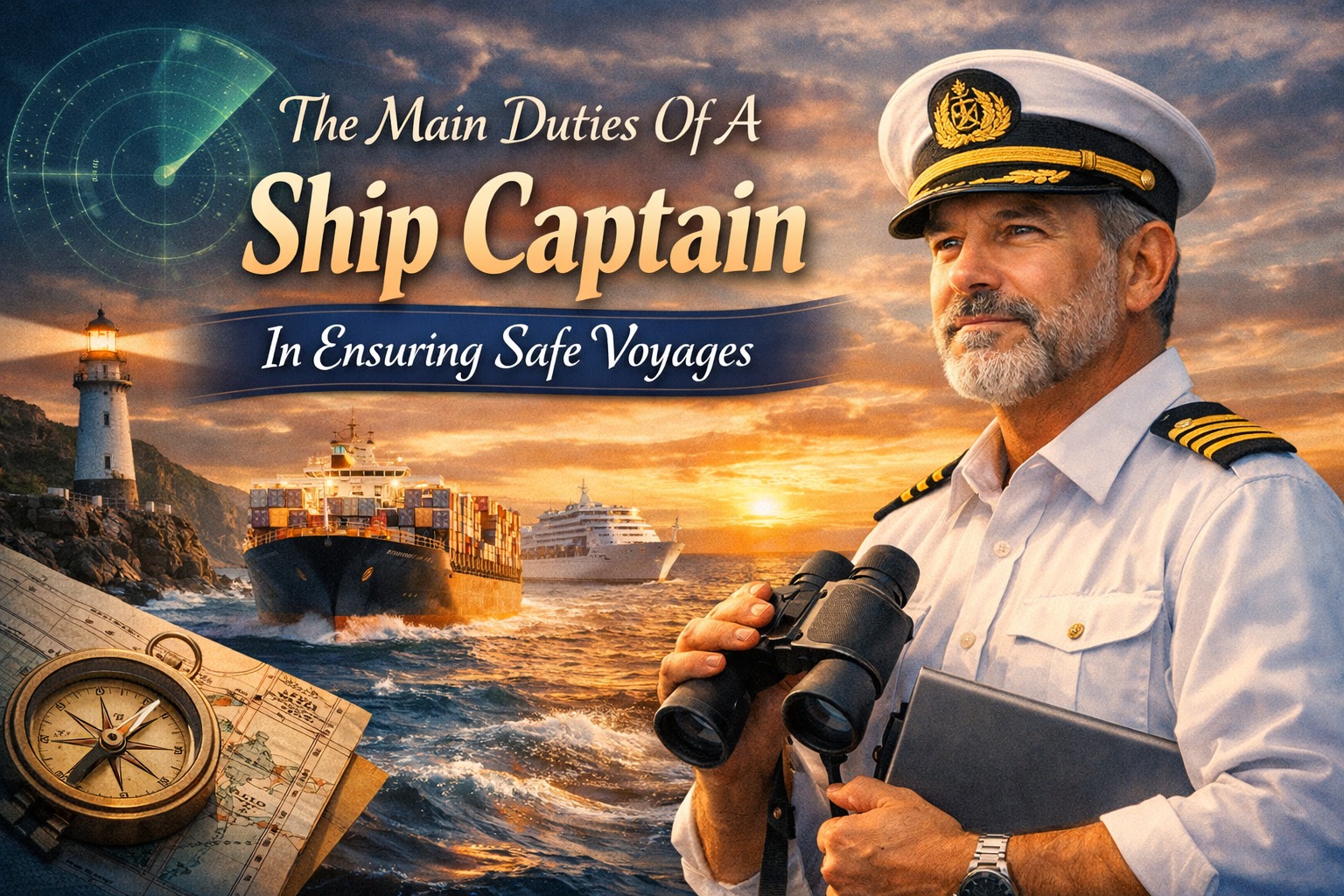
A Ship Captain is the highest-ranking officer on board a vessel and is fully responsible for the safety of the ship, crew, passengers, and cargo. Every successful voyage depends on the captain's ability to lead the crew, make informed decisions, and respond effectively to changing conditions at sea. This position requires extensive maritime knowledge, practical experience, and exceptional leadership skills.
As global maritime transportation continues to expand, the captain's role has become increasingly important. While modern navigation technology provides valuable assistance, the captain remains responsible for making final operational decisions. Understanding the main duties of a ship captain highlights the importance of this profession in maintaining safe and efficient voyages.
PREPARING THE SHIP BEFORE DEPARTURE
One of the primary responsibilities of a Ship Captain is ensuring that the vessel is fully prepared before leaving port. The captain carefully checks the ship's overall condition, including navigation systems, communication equipment, engines, and essential safety equipment. Thorough inspections help reduce the risk of technical failures during the voyage.
The captain also verifies that all voyage documentation, cargo records, and regulatory requirements have been completed correctly. Before departure, crew members receive operational instructions and safety briefings to ensure everyone understands their responsibilities. Proper preparation establishes a strong foundation for a successful journey.
MAINTAINING SAFETY THROUGHOUT THE VOYAGE
Ensuring maritime safety is the captain's highest priority during every voyage. The captain continuously monitors weather conditions, sea traffic, ocean currents, and navigation data using advanced maritime technology. These observations help determine the safest and most efficient route.
If severe weather or unexpected hazards arise, the captain may adjust the ship's course or reduce speed to minimize risks. Every decision focuses on protecting passengers, crew members, cargo, and the vessel itself. Careful planning and constant monitoring significantly improve voyage safety.
LEADING AND SUPERVISING THE CREW
A Ship Captain is responsible for organizing and supervising the entire crew. Every department on board performs specialized tasks, and the captain ensures that each crew member fulfills their responsibilities according to established procedures. Effective leadership keeps ship operations running smoothly.
The captain also promotes teamwork by maintaining open communication and resolving operational challenges quickly. Encouraging professionalism, discipline, and cooperation creates a productive working environment. Strong crew management directly contributes to safer and more efficient voyages.
MAKING CRITICAL DECISIONS DURING EMERGENCIES
Emergencies at sea require immediate and confident leadership from the Ship Captain. Situations such as fires, engine failures, collisions, flooding, or severe storms demand quick decisions based on accurate information. The captain takes command of all emergency response procedures while ensuring that safety remains the top priority.
The captain coordinates evacuation plans, directs emergency teams, and communicates with rescue authorities when necessary. Calm leadership helps reduce panic among passengers and crew members. Proper emergency management greatly increases the likelihood of a successful outcome.
ENSURING COMPLIANCE WITH MARITIME REGULATIONS
Every Ship Captain must ensure that vessel operations comply with international maritime regulations and national shipping laws. This includes following navigation rules, maintaining accurate records, protecting the marine environment, and enforcing onboard safety standards. Compliance helps prevent legal issues and operational risks.
The captain also supervises routine inspections and confirms that crew members follow all safety procedures. Maintaining regulatory compliance strengthens operational efficiency and demonstrates professional responsibility. Adhering to maritime regulations is essential for safe global shipping.
CONTINUOUS PROFESSIONAL DEVELOPMENT
The maritime industry continues to evolve with new technologies and updated international standards. Therefore, a Ship Captain must continuously improve professional knowledge through training, certifications, and practical experience. Lifelong learning allows captains to adapt to changing industry requirements.
Developing leadership, communication, navigation, and risk management skills also improves overall performance. Experienced captains combine technical expertise with sound judgment to manage complex situations effectively. Continuous development ensures long-term success in this demanding profession.
CONCLUSION
The Ship Captain plays a vital role in ensuring every voyage is conducted safely, efficiently, and professionally. From preparing the vessel and supervising the crew to handling emergencies and complying with maritime regulations, every responsibility contributes to the overall success of the journey. Strong leadership and technical expertise are essential qualities for every captain.
As maritime transportation continues to grow worldwide, skilled captains remain indispensable to global trade and passenger transportation. Their commitment to maritime safety, operational excellence, and responsible leadership ensures secure and successful voyages across international waters.
About the Author
Gusti Ayu Tita P
Author — STEKOM University
An active author focused on academic issues, educational technology, and human resource development in the campus environment.















