The Meaning of Flag Ceremonies During Indonesia's Independence Day Celebration
Gusti Ayu Tita P
4 Agustus 2026
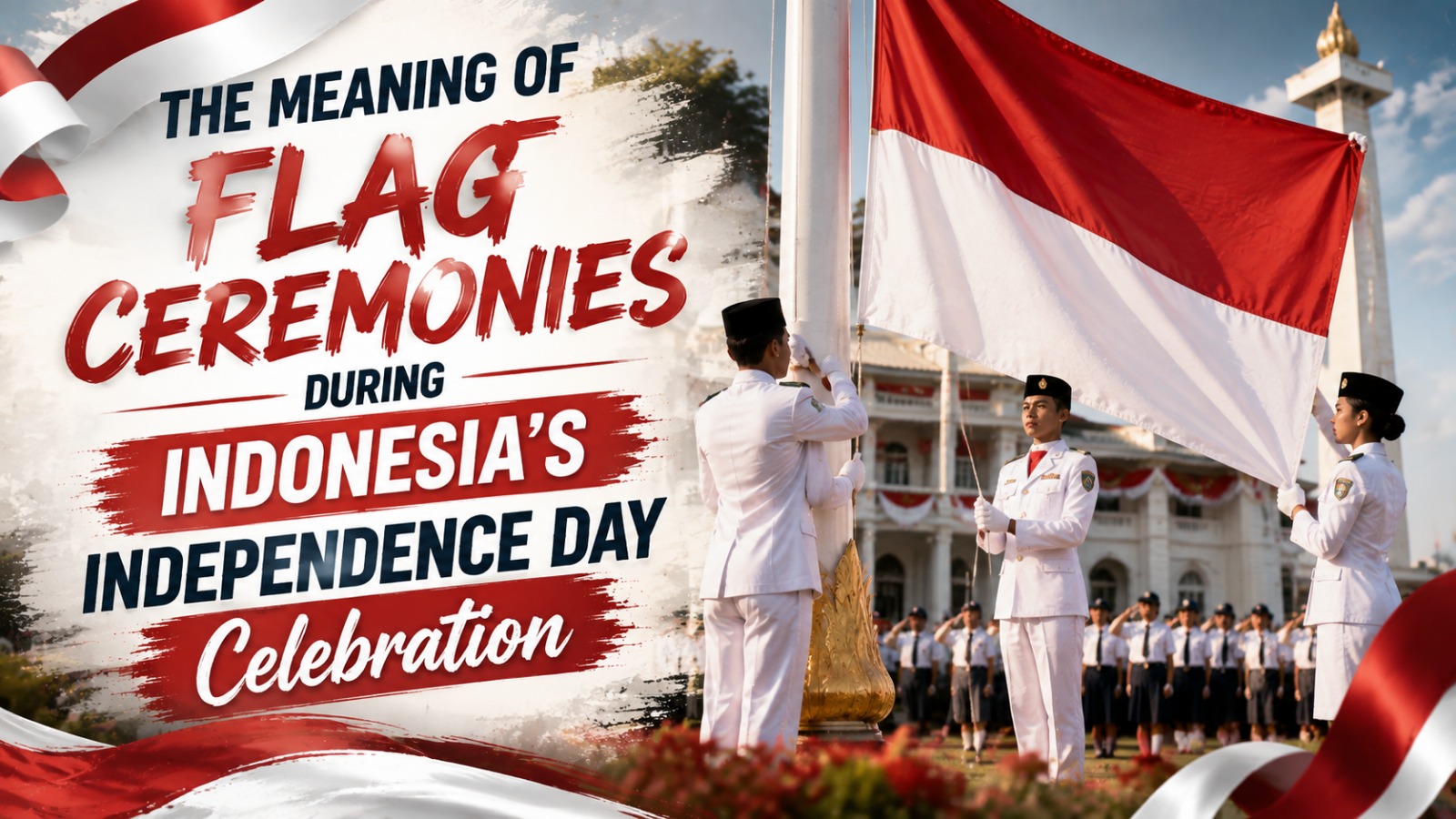
Indonesia's Independence Day is one of the most meaningful national celebrations, commemorated every year on August 17. Among the many traditions held across the country, the flag ceremony stands out as a powerful symbol of respect, patriotism, and national unity. It is more than a formal event because it reflects the sacrifices made by the nation's heroes in achieving independence. Through this ceremony, Indonesians are reminded of their shared responsibility to preserve freedom and continue building a prosperous nation. As a result, the flag ceremony remains an essential tradition that strengthens the spirit of nationalism for every generation.
THE HISTORICAL MEANING OF THE FLAG CEREMONY
The flag ceremony represents the nation's respect for the heroes who sacrificed their lives for Indonesia's independence. Every stage of the ceremony, especially the raising of the Red and White Flag, symbolizes courage, purity, and the determination to defend national sovereignty. The event also serves as a reminder that independence was achieved through unity, perseverance, and extraordinary sacrifices. Understanding this historical background helps citizens appreciate the value of freedom they enjoy today. It encourages people to protect and preserve the country's independence for future generations.
In addition, the ceremony provides an opportunity to reflect on Indonesia's journey as an independent nation. It reminds citizens that maintaining independence requires continuous effort, responsibility, and cooperation. Learning about history through national ceremonies strengthens respect for the nation's identity and heritage. This awareness inspires individuals to become active contributors to Indonesia's progress. Consequently, the flag ceremony continues to hold deep historical significance.
SYMBOLIC VALUES OF THE FLAG CEREMONY
Every element of the flag ceremony carries an important symbolic meaning. The raising of the Red and White Flag reflects national pride and respect for Indonesia's sovereignty. Singing the national anthem Indonesia Raya expresses gratitude, patriotism, and unity among all participants. Moments of silence during the ceremony honor the heroes who dedicated their lives to securing independence. These traditions help preserve the nation's historical memory.
Furthermore, the recitation of Pancasila and the 1945 Constitution reinforces Indonesia's national principles and constitutional values. Participants are reminded that these foundations guide the country's democratic and social development. The ceremony also promotes discipline, respect, and responsibility among students, government officials, and the public. These symbolic values remain relevant in shaping responsible citizens. Therefore, the ceremony serves as both a cultural tradition and an educational experience.
THE ROLE OF FLAG CEREMONIES IN BUILDING NATIONALISM
The flag ceremony plays a significant role in strengthening nationalism among Indonesians. Participating in the ceremony allows citizens to express their love for the country while appreciating the sacrifices of previous generations. It also encourages individuals to maintain unity despite differences in culture, ethnicity, or religion. This shared experience strengthens the sense of belonging to one nation. Nationalism grows stronger when people understand the meaning behind every ceremonial tradition.
In addition, the ceremony teaches valuable life lessons such as discipline, respect, and commitment. Standing together during the event reminds participants that national progress depends on cooperation and mutual responsibility. These values are particularly important for young people, who will become future leaders of Indonesia. By practicing these principles in everyday life, citizens contribute to building a stronger and more united nation.
THE IMPORTANCE OF THE FLAG CEREMONY FOR FUTURE GENERATIONS
For the young generation, participating in the flag ceremony is an opportunity to learn about history while strengthening their national identity. Schools and educational institutions use this tradition to teach students about patriotism, civic responsibility, and respect for national symbols. Such experiences encourage students to become responsible citizens who value unity and diversity. They also inspire young people to contribute positively through education, innovation, and community service.
Ultimately, the flag ceremony remains a timeless symbol of Indonesia's independence and national pride. It reminds every citizen that freedom must be protected through integrity, cooperation, and dedication to the nation. By preserving this meaningful tradition, future generations will continue to appreciate the sacrifices of the heroes who fought for independence. In doing so, the spirit of patriotism will continue to inspire Indonesia's journey toward a brighter and more prosperous future.
About the Author
Gusti Ayu Tita P
Author — STEKOM University
An active author focused on academic issues, educational technology, and human resource development in the campus environment.