The Meaning of National Songs as Symbols of National Unity
Gusti Ayu Tita P
5 Agustus 2026
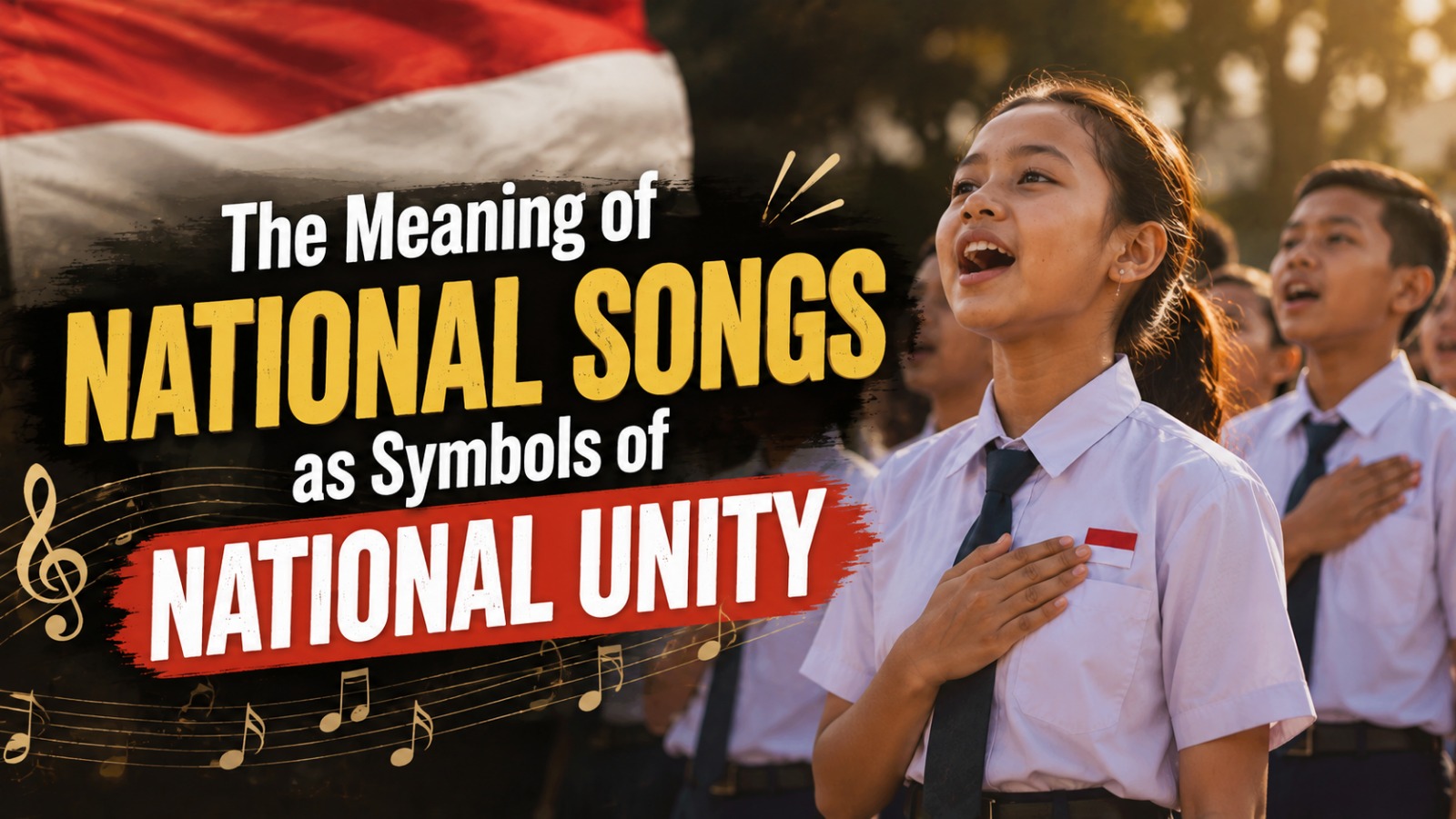
National songs are more than musical compositions that represent a country. They reflect the history, culture, identity, and shared values that unite people from different backgrounds. Every lyric carries messages of patriotism, courage, sacrifice, and hope that inspire citizens to appreciate their nation. Although modern society continues to evolve with technology and globalization, national songs remain meaningful because they strengthen the emotional connection between people and their homeland. As a result, national songs continue to play an important role in preserving national identity across generations.
In today's interconnected world, maintaining national unity has become increasingly important. People interact with different cultures every day, making it essential to preserve the values that define a nation. National songs provide a simple yet powerful reminder of these values through inspiring lyrics and memorable melodies. They encourage citizens to remain united while respecting cultural diversity and social harmony.
THE HISTORICAL MEANING OF NATIONAL SONGS
Most national songs were created during important moments in a nation's history. They often reflect the struggles, sacrifices, and determination of people who fought for freedom and independence. These songs preserve historical memories and allow younger generations to understand the journey that shaped their country. Learning about the background of national songs helps people appreciate the efforts made by previous generations. Therefore, national songs serve as valuable historical records as well as cultural treasures.
Beyond history, national songs symbolize the collective dreams and aspirations of a nation. They remind citizens that freedom and unity require continuous commitment and responsibility. Singing these songs during national ceremonies strengthens the connection between the past, present, and future. This tradition helps ensure that important national values are passed on from one generation to another.
NATIONAL SONGS AS SYMBOLS OF UNITY
One of the greatest strengths of national songs is their ability to bring people together regardless of their differences. Citizens may have different languages, religions, cultures, and traditions, but they can unite through the same song and shared national identity. This emotional connection creates a sense of belonging that strengthens social cohesion. National songs encourage people to celebrate diversity while maintaining respect for one another. As a result, they become powerful symbols of unity and solidarity.
National songs also promote mutual respect and cooperation within society. During public events, schools, and national celebrations, singing together creates a feeling of equality and shared purpose. Every individual participates as part of one nation rather than as separate groups. This collective experience reinforces the importance of working together for the country's future.
THE ROLE OF NATIONAL SONGS IN CHARACTER EDUCATION
National songs contribute significantly to character education by teaching important moral values. Their lyrics often emphasize responsibility, discipline, honesty, courage, and love for the nation. These values help young people develop positive attitudes that benefit both themselves and society. When educators explain the meaning behind the lyrics, students gain a deeper understanding instead of simply memorizing the songs. This approach makes learning more meaningful and engaging.
In addition, national songs encourage respect for national symbols and historical achievements. Students become more aware of the sacrifices made by previous generations and develop gratitude for living in an independent country. This awareness motivates them to contribute positively through education, innovation, and responsible citizenship. Consequently, national songs become effective tools for shaping future leaders with strong moral character.
THE RELEVANCE OF NATIONAL SONGS IN THE MODERN ERA
Despite rapid technological advancement, national songs remain highly relevant in modern society. Digital platforms, educational videos, and online learning resources make these songs more accessible than ever before. Schools and communities can use modern media to introduce national songs in creative and interactive ways. This combination of tradition and technology helps younger generations appreciate their cultural heritage without feeling disconnected from contemporary life.
Furthermore, national songs provide emotional stability during times of national celebration or challenge. They remind citizens of their shared identity and common goals regardless of social or economic differences. Their timeless messages continue to inspire cooperation, resilience, and optimism. This enduring relevance demonstrates why national songs remain valuable in every generation.
HOW TO PRESERVE THE VALUE OF NATIONAL SONGS?
Preserving national songs requires cooperation between schools, families, communities, and governments. Educational institutions should introduce students to both the lyrics and historical background of these songs through engaging learning activities. Cultural events, music performances, and national celebrations can also encourage greater appreciation among young people. These efforts ensure that national songs remain meaningful rather than becoming forgotten traditions.
Families also play an essential role by introducing national songs at an early age. Parents can explain their meanings and encourage children to participate in national celebrations. Modern technology can further support preservation through digital archives, educational applications, and interactive media. Together, these efforts will help protect national songs as lasting symbols of unity and cultural identity.
CONCLUSION
National songs continue to serve as powerful symbols of national unity because they preserve history, strengthen identity, and promote shared values among citizens. Their messages of patriotism, cooperation, and responsibility remain relevant despite changes in society and technology. By understanding the meaning behind these songs, people develop stronger connections with their nation and greater respect for its cultural heritage.
Through continuous support from schools, families, and communities, national songs will remain meaningful for future generations. They are not only musical expressions but also enduring reminders of unity, solidarity, and the collective spirit that builds a strong and harmonious nation.
About the Author
Gusti Ayu Tita P
Author — STEKOM University
An active author focused on academic issues, educational technology, and human resource development in the campus environment.