
The Meaning of the Afterlife in Human Culture and Tradition
Gusti Ayu Tita P
9 September 2026
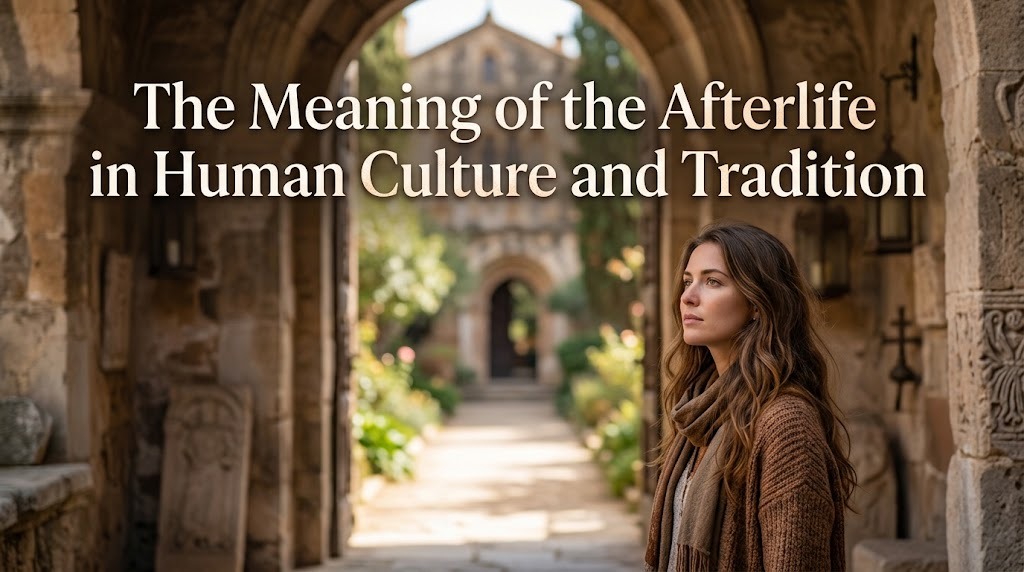
The afterlife is one of the oldest and most meaningful ideas found in human culture. Across history, people have wondered what happens after physical death and whether human existence continues in another form. Different societies have developed their own explanations based on religion, spirituality, philosophy, and tradition. Some traditions describe the afterlife as a spiritual destination, while others understand it as a cycle of rebirth or a different state of existence. Although beliefs vary widely, the idea of life beyond death has played an important role in shaping how people understand human existence.
Understanding the meaning of the afterlife also helps explain many cultural practices surrounding death. Funeral ceremonies, prayers, memorial traditions, and beliefs about ancestors often reflect how a community understands what happens after someone dies. These traditions can provide comfort, meaning, and guidance during times of loss. They also show how deeply ideas about death are connected with human values and identity.
THE MEANING OF THE AFTERLIFE IN DIFFERENT CULTURES
The meaning of the afterlife differs significantly from one culture to another. In many religious traditions, death is not viewed as the absolute end of existence but as a transition to another form of life. Some beliefs describe a permanent spiritual destination, while others emphasize judgment, reward, punishment, or reunion with a divine presence. Other traditions focus on rebirth and reincarnation, where existence continues through a series of lives.
Cultural beliefs can also influence how people respond to death. In some societies, ancestors are remembered as important members of the family or community even after physical death. Memorial ceremonies may therefore serve not only as expressions of grief but also as ways of maintaining a connection with those who have passed away. These differences demonstrate that the afterlife is not understood through one universal explanation.
AFTERLIFE BELIEFS IN RELIGION AND SPIRITUALITY
Religion has played a major role in shaping human ideas about life after death. Major religious traditions offer different teachings about what may happen after physical life ends. Some describe heaven and hell, while others explain spiritual purification, resurrection, reincarnation, or other forms of continuation. These teachings are often connected to ideas about morality, human responsibility, and the consequences of one's actions.
Spiritual beliefs outside formal religious systems can also influence how people understand the afterlife. Some individuals believe consciousness continues in a spiritual dimension, while others view death as a transformation rather than a complete ending. Because these ideas are matters of faith and interpretation, they cannot all be established through scientific evidence. Respecting different perspectives is therefore important when discussing such a deeply personal subject.
TRADITIONS AND RITUALS CONNECTED TO DEATH
Human cultures have developed many traditions to honor people who have died. Funeral rituals can include prayers, ceremonies, symbolic objects, periods of mourning, and gatherings of family members. These practices often reflect a community's beliefs about the relationship between physical life and spiritual existence. They can also help families process grief and remember the importance of the person who has passed away.
In some cultures, traditions surrounding death continue long after the funeral. Families may hold annual memorial events, visit graves, preserve photographs, or perform ceremonies dedicated to ancestors. Such practices demonstrate that the relationship between the living and the dead can remain culturally significant. Even when people have different beliefs about what happens after death, rituals often provide a sense of connection and remembrance.
HOW AFTERLIFE BELIEFS SHAPE HUMAN VALUES
Beliefs about the afterlife can influence how people think about their actions during life. When a tradition teaches that actions have consequences beyond death, followers may be encouraged to practice kindness, honesty, compassion, and responsibility. The belief in an afterlife can therefore become part of a broader moral framework. However, the relationship between afterlife beliefs and morality is complex because people can develop ethical values for many different religious, philosophical, and social reasons.
Ideas about death can also encourage people to reflect on the purpose of their lives. Thinking about mortality may lead individuals to prioritize family, relationships, meaningful work, service, or personal growth. In this way, the concept of the afterlife can influence everyday decisions even when people cannot know with certainty what exists beyond death. It becomes a subject through which people explore questions about meaning, purpose, and human responsibility.
THE ROLE OF CULTURE IN UNDERSTANDING LIFE AFTER DEATH
Culture strongly influences the way people learn about death and the possibility of an afterlife. Beliefs are often passed from parents to children through stories, religious education, ceremonies, literature, and community practices. As a result, ideas about what happens after death can become closely connected with cultural identity. At the same time, modern education, travel, communication, and interaction between different communities allow people to encounter alternative perspectives.
This cultural exchange can encourage people to compare different explanations without necessarily abandoning their own traditions. Learning about other beliefs can promote cultural understanding and mutual respect, especially when discussing sensitive subjects such as death. It also shows that human societies have developed many ways to respond to one of life's greatest uncertainties. The diversity of these traditions reflects the complexity of human attempts to understand existence.
CONCLUSION
The meaning of the afterlife in human culture and tradition is shaped by a wide range of religious, spiritual, philosophical, and cultural beliefs. Some traditions describe another world, while others focus on reincarnation, spiritual transformation, resurrection, or continuing relationships with ancestors. Although there is no single belief shared by all people, the afterlife remains an important subject in human history.
Studying different views of life after death can help people understand how cultures create meaning around mortality. It can also encourage greater respect for different traditions and personal beliefs. Ultimately, the concept of the afterlife reflects a universal human desire to understand death, existence, and the meaning of life.
About the Author
Gusti Ayu Tita P
Author — STEKOM University
An active author focused on academic issues, educational technology, and human resource development in the campus environment.















