
The Most Popular Independence Day Traditions Around the World
Gusti Ayu Tita P
4 Agustus 2026
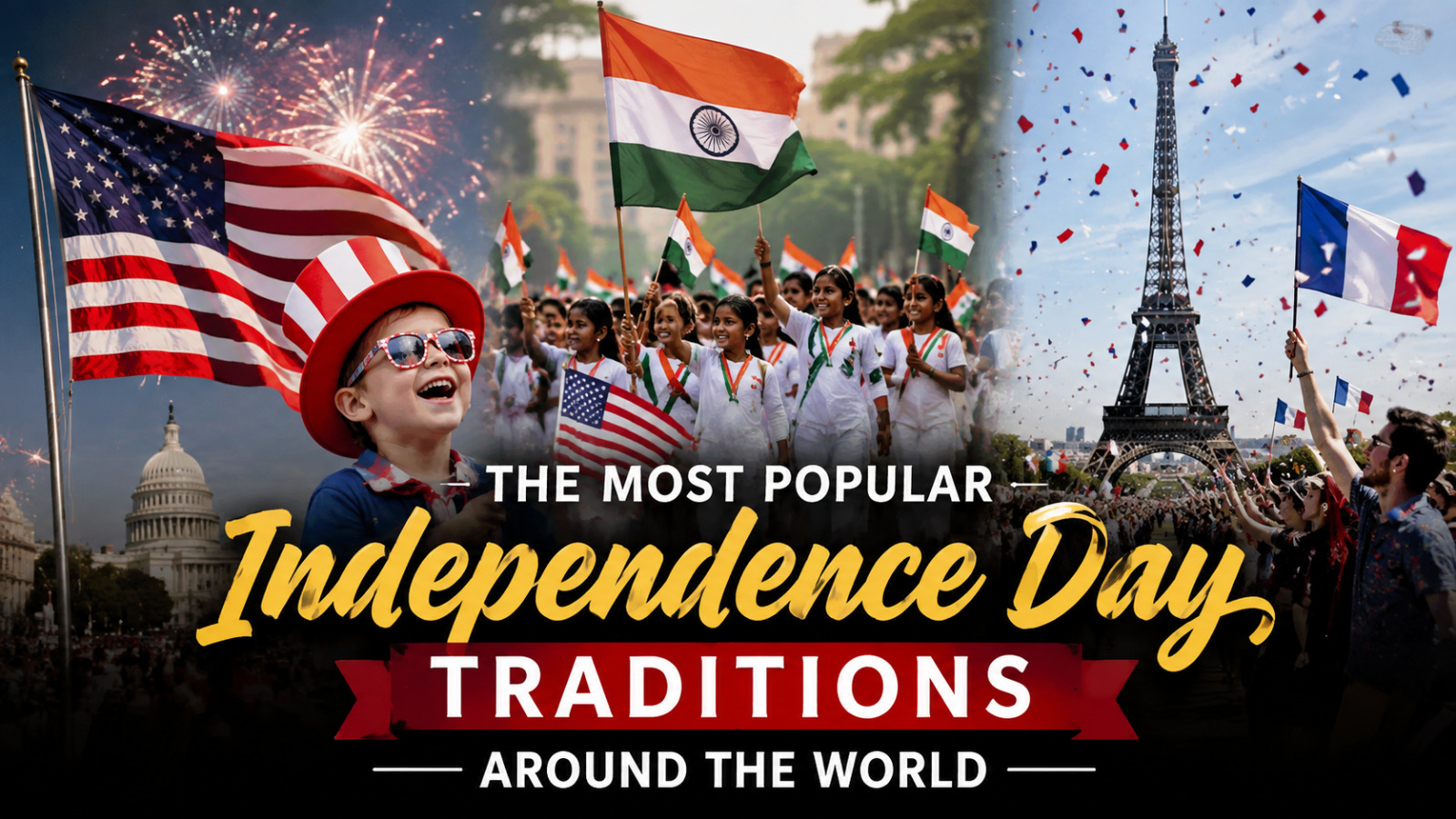
Independence Day is one of the most important national celebrations in many countries. It marks the day a nation gained freedom, sovereignty, or independence from foreign rule. Although every country has its own unique history, many Independence Day traditions share common values such as patriotism, unity, and respect for national heroes. These celebrations bring people together while preserving cultural identity for future generations.
Today, Independence Day traditions continue to evolve with modern lifestyles. Despite technological changes, people still enjoy ceremonies, family gatherings, festivals, and cultural performances that strengthen national pride. Learning about these traditions from different countries helps us appreciate the diversity of global cultures while recognizing the shared importance of freedom.
WHY INDEPENDENCE DAY TRADITIONS MATTER
Independence Day traditions remind citizens of the sacrifices made by previous generations to achieve freedom. National ceremonies, flag-raising events, and moments of remembrance encourage people to reflect on their country's history. These traditions also help educate younger generations about the importance of preserving independence. As a result, they create a stronger connection between history and modern society.
Beyond historical remembrance, Independence Day celebrations also encourage social unity. Families, friends, and communities gather to celebrate together regardless of age or background. This sense of togetherness strengthens relationships and promotes national harmony. It also inspires citizens to contribute positively to their country's future.
POPULAR INDEPENDENCE DAY TRADITIONS AROUND THE WORLD
Many countries celebrate Independence Day with spectacular fireworks displays that light up the night sky. Fireworks symbolize joy, hope, and the nation's bright future. Large cities often organize public events where thousands of people gather to enjoy the celebrations. These colorful displays have become one of the most recognized Independence Day traditions worldwide.
Another common tradition is the raising of the national flag accompanied by the national anthem. Military parades, marching bands, and official ceremonies are also popular in many nations. Some countries organize historical reenactments, while others hold cultural festivals featuring traditional music, dance, and local cuisine. These activities allow citizens to celebrate both freedom and cultural heritage.
UNIQUE CELEBRATIONS IN DIFFERENT COUNTRIES
Every nation adds its own cultural identity to Independence Day celebrations. In the United States, people often celebrate with parades, barbecues, fireworks, and community festivals. India commemorates Independence Day with a grand flag-hoisting ceremony, patriotic speeches, and cultural performances across schools and public institutions. Each celebration reflects the country's unique history and traditions.
In countries like Mexico, Independence Day includes colorful street festivals, music, dancing, and traditional foods. France celebrates Bastille Day with military parades and fireworks that honor national unity and liberty. Although customs vary, the central message remains the same: celebrating freedom while honoring those who fought for it.
THE ROLE OF CULTURE IN INDEPENDENCE DAY TRADITIONS
Cultural traditions make Independence Day celebrations more meaningful and memorable. Traditional clothing, folk dances, local music, and regional foods allow communities to showcase their heritage. These cultural elements create a festive atmosphere while strengthening national identity. Visitors and younger generations also gain a better understanding of their country's cultural richness.
Modern technology has also influenced celebrations through live broadcasts, online campaigns, and virtual events. Social media allows people to share patriotic messages, historical facts, and celebration highlights with audiences around the world. This combination of tradition and innovation helps keep Independence Day relevant for future generations.
HOW THESE TRADITIONS STRENGTHEN NATIONAL UNITY
Participating in Independence Day traditions encourages citizens to develop a stronger sense of national pride. Public celebrations remind everyone that freedom is a shared achievement requiring continuous responsibility. Communities become more connected when they participate in charitable events, educational activities, and local festivals during national holidays.
These traditions also promote respect, cooperation, and civic responsibility. Children learn important historical lessons while adults renew their commitment to supporting their nation's progress. By celebrating together, people reinforce the values of peace, democracy, and mutual respect. This unity helps build stronger and more resilient societies.
CONCLUSION
Independence Day traditions are far more than annual celebrations. They preserve history, strengthen national identity, and unite people from different backgrounds through shared experiences. From fireworks and flag ceremonies to cultural festivals and family gatherings, every tradition reflects a nation's journey toward freedom. By preserving these meaningful customs, future generations can continue to appreciate the value of independence while building a brighter future together.
About the Author
Gusti Ayu Tita P
Author — STEKOM University
An active author focused on academic issues, educational technology, and human resource development in the campus environment.















