The Positive and Negative Impacts of Social Media
Gusti Ayu Tita P
27 Juni 2026
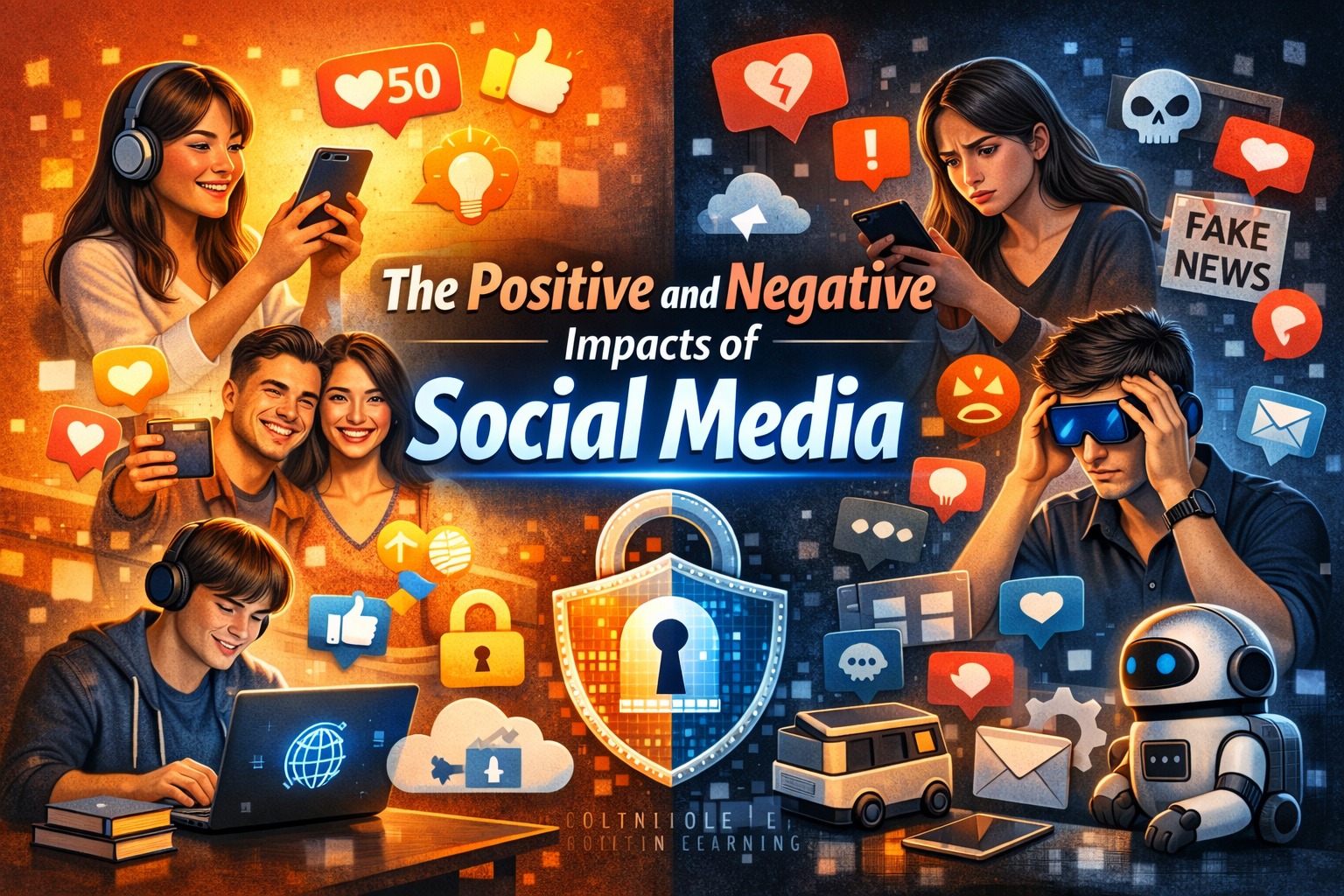
Social media has become an essential part of modern life. Millions of people use social networking platforms every day to communicate, share information, build relationships, and access entertainment. From students and professionals to businesses and governments, social media influences how people interact and exchange ideas. Its rapid growth has transformed communication and created new opportunities in education, marketing, and social engagement.
However, despite its many advantages, social media also presents several challenges. Excessive use can affect mental health, reduce productivity, and contribute to the spread of misinformation. Understanding both the positive and negative impacts of social media is important for using these platforms responsibly and effectively.
POSITIVE IMPACTS OF SOCIAL MEDIA
One of the most significant benefits of social media is improved communication. People can instantly connect with friends, family members, colleagues, and communities regardless of geographical distance. This convenience helps maintain relationships and encourages global interaction. Social media platforms also enable real-time conversations through messaging, video calls, and group discussions.
Another positive impact is easy access to information. Users can quickly find educational content, news updates, tutorials, and expert opinions. Students often use social media to support learning activities and discover new knowledge. Businesses and organizations also use these platforms to share valuable information with a wider audience.
Social media additionally creates opportunities for personal branding and business growth. Entrepreneurs can promote products and services at relatively low costs compared to traditional advertising. Content creators can build audiences, showcase talents, and generate income through digital platforms. These opportunities have contributed significantly to the growth of the digital economy.
SOCIAL MEDIA AND EDUCATION
Social media has become an important tool in modern education. Teachers and educational institutions use digital platforms to distribute learning materials, communicate with students, and encourage collaboration. Educational communities allow learners to exchange ideas and discuss academic topics more easily.
In addition, social media supports online learning by providing access to webinars, educational videos, and professional courses. Students can connect with experts and professionals from various fields around the world. This broader access to knowledge helps improve learning experiences and encourages continuous self-development.
NEGATIVE IMPACTS OF SOCIAL MEDIA
Despite its advantages, social media can have several negative effects. One major concern is mental health issues. Excessive exposure to idealized lifestyles and unrealistic expectations may contribute to anxiety, stress, low self-esteem, and feelings of inadequacy. Constant comparison with others can negatively affect emotional well-being, especially among teenagers and young adults.
Another problem is social media addiction. Many users spend excessive amounts of time scrolling through content, which can reduce productivity and interfere with daily responsibilities. Overdependence on social media may also disrupt sleep patterns and decrease face-to-face social interactions.
The spread of misinformation is another serious challenge. False or misleading content can circulate rapidly across social platforms, influencing public opinion and creating confusion. Users may unknowingly share inaccurate information without verifying its credibility, making digital literacy increasingly important.
PRIVACY AND SECURITY CONCERNS
Privacy remains a major issue in the social media era. Users often share personal information without fully understanding how their data may be collected, stored, or used. This can increase the risk of identity theft, fraud, and unauthorized access to personal accounts.
Cybersecurity threats such as phishing scams, fake profiles, and malicious links are also common on social media platforms. Users must be cautious when interacting online and should regularly update security settings. Practicing good digital habits can significantly reduce these risks and protect personal information.
HOW TO USE SOCIAL MEDIA RESPONSIBLY
Using social media responsibly requires balance and awareness. Setting reasonable screen-time limits can help prevent excessive use and improve productivity. Taking regular breaks from social media can also support better mental and emotional health.
Users should prioritize critical thinking when consuming online content. Verifying information from reliable sources before sharing it helps reduce the spread of misinformation. Additionally, maintaining strong privacy settings and practicing respectful online behavior contribute to a safer and healthier digital environment.
CONCLUSION
Social media has transformed communication, education, business, and entertainment in remarkable ways. Its positive impacts include enhanced connectivity, greater access to information, educational opportunities, and economic growth. At the same time, challenges such as mental health concerns, addiction, privacy risks, and misinformation cannot be ignored.
The key to maximizing the benefits of social media lies in responsible and balanced usage. By understanding both its advantages and disadvantages, individuals can make informed decisions and create a healthier relationship with digital technology.
About the Author
Gusti Ayu Tita P
Author — STEKOM University
An active author focused on academic issues, educational technology, and human resource development in the campus environment.