
The Psychology Behind First Impression and How People Judge You?
Gusti Ayu Tita P
27 Agustus 2026
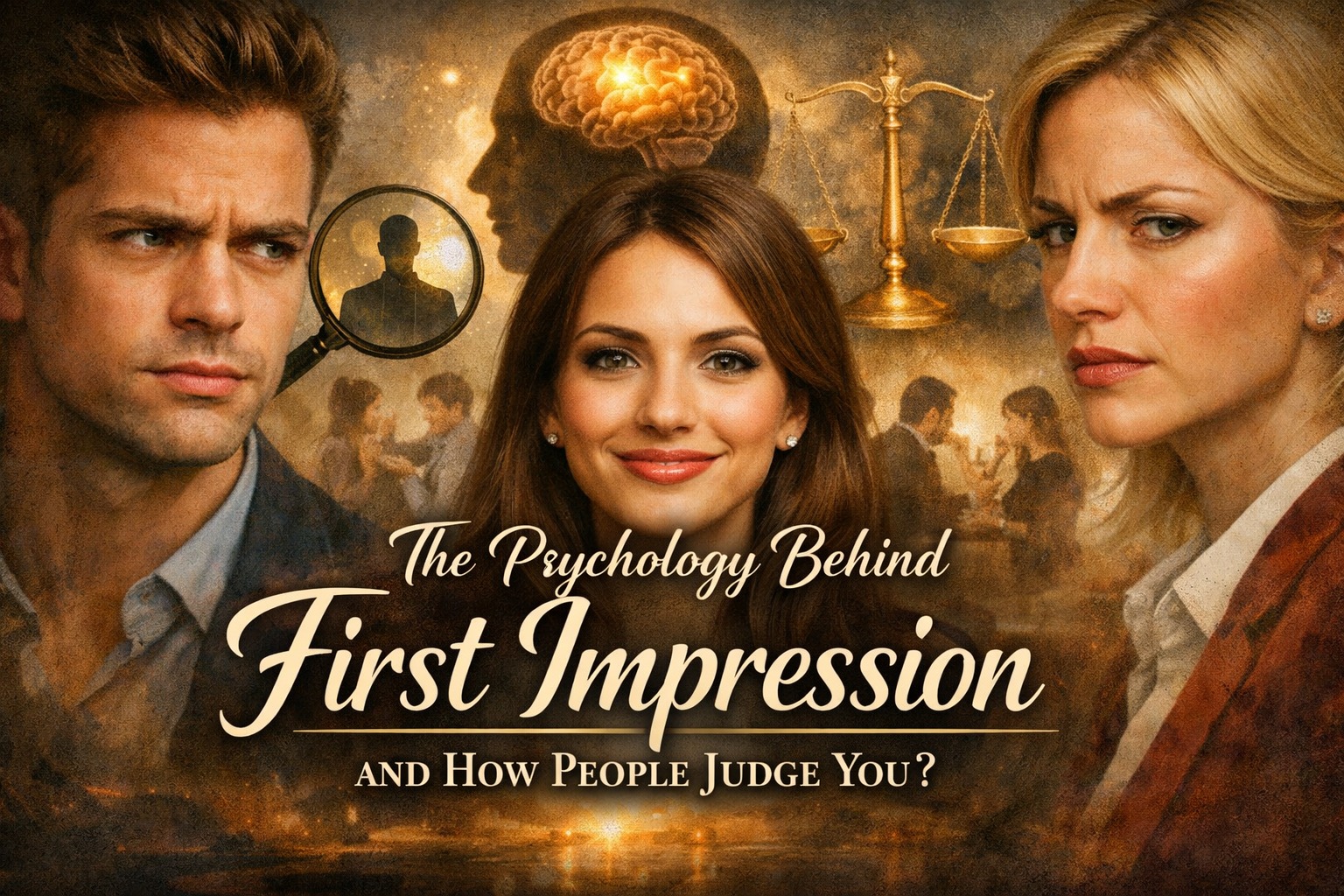
First impressions happen faster than most people realize. Within just a few seconds, someone can form opinions about your personality, confidence, intelligence, and trustworthiness. Whether in social situations, job interviews, classrooms, or online interactions, the way people perceive you at first glance can shape future relationships and opportunities.
Psychology explains that first impressions are deeply connected to human survival instincts. The brain naturally tries to evaluate whether someone is safe, reliable, or worth trusting. Because of this, appearance, body language, tone of voice, and behavior all play an important role in how others judge you.
Understanding the psychology behind first impressions can help you communicate better, build stronger connections, and present yourself more confidently in everyday life.
WHY FIRST IMPRESSIONS MATTER
A first impression acts like a mental shortcut. When meeting someone new, the brain quickly collects information and creates assumptions based on visible and emotional signals. Even if those assumptions are not always accurate, they often influence future interactions.
Research in psychology shows that people tend to remember their first perception even after learning more about someone later. This is known as the “primacy effect,” where initial information becomes more influential than later experiences.
Because of this, a positive first impression can:
- Increase trust and credibility
- Create better social opportunities
- Improve professional relationships
- Make communication smoother
- Help others feel comfortable around you
On the other hand, a negative first impression may be difficult to change.
THE ROLE OF BODY LANGUAGE
Body language is one of the strongest factors in first impressions. Before speaking, people already notice facial expressions, posture, eye contact, and gestures.
Confident body language often includes:
- Standing upright
- Maintaining natural eye contact
- Smiling genuinely
- Using calm gestures
- Having relaxed shoulders
These signals make a person appear approachable and trustworthy. Meanwhile, avoiding eye contact, crossing arms excessively, or showing nervous movements can create an impression of insecurity or discomfort.
Psychologists believe that nonverbal communication sometimes has a stronger impact than words themselves because humans naturally respond to visual emotional cues.
HOW APPEARANCE INFLUENCES PERCEPTION
Appearance does not only refer to physical attractiveness. It also includes cleanliness, grooming, clothing style, and overall presentation.
People often associate neat appearances with discipline, professionalism, and responsibility. This psychological tendency is called the “halo effect,” where one positive quality causes people to assume other positive traits.
For example, someone who dresses neatly may automatically be perceived as more organized or competent, even before speaking.
However, authenticity still matters. Wearing clothes that match your personality and situation creates a more natural and comfortable impression than trying too hard to impress others.
THE POWER OF VOICE AND COMMUNICATION
The way you speak can strongly affect how people judge you. Tone of voice, speaking speed, and word choice all contribute to first impressions.
Clear and calm communication usually gives the impression of confidence and emotional control. People are generally more attracted to individuals who speak respectfully and listen actively.
Good communication habits include:
- Speaking clearly
- Avoiding interrupting others
- Using positive language
- Listening carefully
- Responding thoughtfully
A warm and friendly tone can make conversations feel more engaging and memorable.
WHY PEOPLE JUDGE QUICKLY
Humans judge quickly because the brain wants to save time and energy. Psychologists call this “thin slicing,” which means making fast judgments based on limited information.
Although quick judgments can sometimes be unfair, they are part of natural human behavior. The brain uses past experiences, cultural influences, and subconscious biases to make immediate conclusions.
Some common things people judge quickly include:
- Confidence level
- Friendliness
- Social status
- Trustworthiness
- Emotional stability
This explains why even small details can affect how others see you during a first meeting.
HOW TO CREATE A POSITIVE FIRST IMPRESSION
Improving first impressions does not mean pretending to be someone else. Instead, it means presenting the best and most genuine version of yourself.
Here are several effective ways to leave a positive impression:
BE PRESENT AND ATTENTIVE
Focus on the conversation and show genuine interest in the other person.
MAINTAIN GOOD POSTURE
Confident posture makes you appear more approachable and self-assured.
SMILE NATURALLY
A sincere smile creates warmth and comfort during interactions.
DRESS APPROPRIATELY
Choose clothing that fits the situation while reflecting your personality.
PRACTICE ACTIVE LISTENING
People appreciate those who truly listen and respond thoughtfully.
SHOW CONFIDENCE WITHOUT ARROGANCE
Confidence attracts people, but humility keeps relationships healthy.
CAN FIRST IMPRESSIONS CHANGE?
Although first impressions are powerful, they are not permanent. Consistent behavior and repeated positive interactions can gradually change how people see you.
Psychology suggests that trust and deeper understanding develop over time. Someone who initially seemed shy may later be viewed as thoughtful and intelligent after more conversations.
Still, changing a negative first impression often requires patience and consistency. This is why making a good initial connection remains important.
CONCLUSION
The psychology behind first impressions reveals how quickly people form opinions based on appearance, body language, communication, and behavior. These judgments happen naturally because the human brain is designed to evaluate social situations rapidly.
By understanding how first impressions work, you can improve the way you present yourself and build stronger personal and professional relationships. Simple habits like maintaining eye contact, communicating clearly, and showing genuine confidence can create lasting positive impressions.
In the end, authenticity combined with self-awareness is the key to making people remember you in a positive way.
About the Author
Gusti Ayu Tita P
Author — STEKOM University
An active author focused on academic issues, educational technology, and human resource development in the campus environment.















