
The Relationship Between Pancasila and Tolerance in Indonesian Society
Gusti Ayu Tita P
4 Agustus 2026
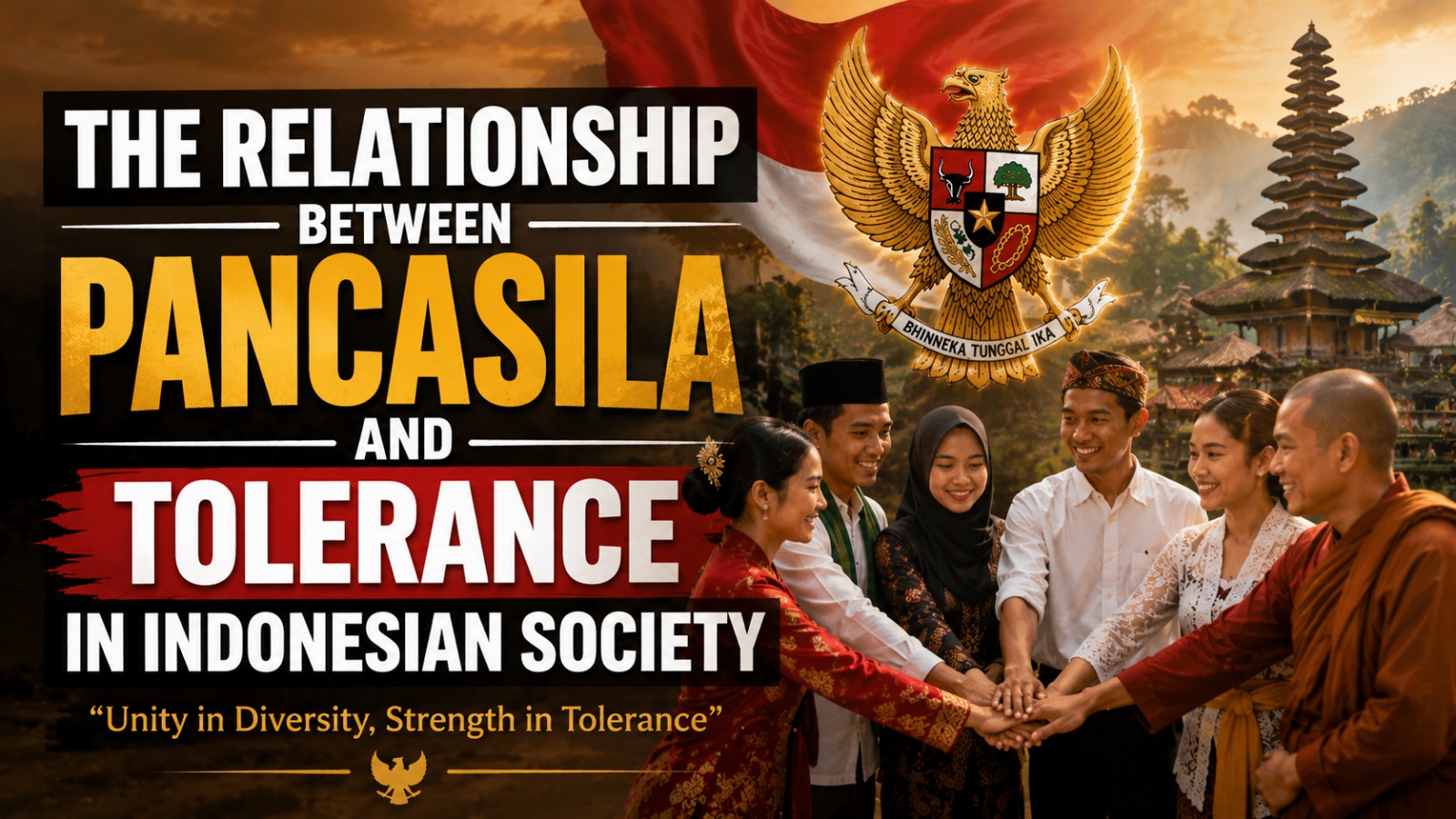
Pancasila is the foundation of Indonesia that contains values for creating a peaceful, united, and harmonious society. One of the most important values reflected in Pancasila is tolerance, which teaches people to respect differences in religion, culture, ethnicity, opinions, and social backgrounds. As a country with great diversity, Indonesia needs strong values that can maintain relationships among various communities.
The relationship between Pancasila and tolerance is very close because the principles of Pancasila encourage citizens to appreciate diversity and avoid discrimination. In the modern era, where social interactions continue to expand through technology and globalization, tolerance becomes increasingly important. By practicing Pancasila values, Indonesian society can strengthen unity and create an environment where everyone feels respected.
SEO Keywords: Pancasila Values, Indonesian Tolerance, Social Harmony, Unity in Diversity, National Ideology
PANCASILA AS THE FOUNDATION OF TOLERANT SOCIETY
Pancasila as Indonesia’s national ideology provides a strong foundation for developing a tolerant society. The principles contained in Pancasila encourage citizens to respect human dignity and recognize the importance of living together despite differences. Tolerance is not only an attitude but also a reflection of national values that maintain social harmony.
A tolerant society can be created when people understand that differences are a natural part of Indonesia’s identity. Pancasila teaches that diversity should not become a reason for conflict but should become a source of strength. Through the implementation of Pancasila, citizens can build relationships based on respect, cooperation, and mutual understanding.
THE FIRST PRINCIPLE AND RELIGIOUS TOLERANCE
The first principle of Pancasila, “Belief in One Almighty God,” has an important connection with religious tolerance. Indonesia recognizes religious diversity, and this principle encourages people to practice their beliefs while respecting the beliefs of others. Respect between religious communities is essential for maintaining peace.
Applying this principle can be done by respecting religious practices, avoiding discrimination, and helping others regardless of their faith. Religious tolerance allows different communities to live together peacefully. When people respect each other’s beliefs, social harmony becomes stronger.
HUMANITY VALUES IN BUILDING RESPECT AMONG CITIZENS
The second principle of Pancasila, “Just and Civilized Humanity,” emphasizes that every person deserves respect and fair treatment. This value supports the development of tolerance because it teaches people to recognize the rights and dignity of others. Differences in background should never become a reason to treat someone unfairly.
In everyday life, humanity values can be practiced through kindness, empathy, and respect for others. Avoiding bullying, helping people in need, and accepting differences are examples of applying this principle. These behaviors create a society where individuals feel valued and protected.
UNITY IN DIVERSITY AS A REFLECTION OF PANCASILA VALUES
The third principle, “The Unity of Indonesia,” shows the importance of maintaining togetherness among different groups. Indonesia’s diversity is represented through the concept of Bhinneka Tunggal Ika, which means unity in diversity. This value teaches that differences can exist while people remain united as one nation.
Tolerance plays a major role in protecting national unity. When citizens respect cultural, religious, and social differences, conflicts can be prevented. Pancasila encourages Indonesians to focus on shared goals rather than differences that may divide society.
PANCASILA AND TOLERANCE IN THE DIGITAL ERA
The development of technology has changed the way people communicate and express opinions. Social media allows discussions between people from different backgrounds, but it can also create challenges such as hate speech, online conflicts, and misinformation. Therefore, Pancasila values are needed to guide responsible digital interactions.
Applying tolerance in the digital era means respecting different opinions, avoiding harmful comments, and checking information before sharing it. Digital users should communicate with empathy and responsibility. By applying Pancasila online, society can create a healthier and more respectful digital environment.
THE ROLE OF EDUCATION IN TEACHING PANCASILA AND TOLERANCE
Education plays an important role in strengthening the relationship between Pancasila and tolerance. Schools and universities help students understand the importance of respecting diversity and maintaining social harmony. Through Pancasila education, young generations can learn how national values are applied in real life.
Students who understand tolerance are more prepared to interact with people from different backgrounds. They can develop attitudes of cooperation, respect, and responsibility. Education based on Pancasila helps create future generations who support unity and peaceful coexistence.
THE ROLE OF YOUNG GENERATIONS IN PROMOTING TOLERANCE
Young people have an important responsibility in maintaining tolerance in Indonesian society. As active users of technology and members of diverse communities, they can influence how society responds to differences. Positive attitudes from young generations can strengthen national unity.
Young people can promote tolerance by respecting others, participating in social activities, and spreading positive messages through digital platforms. Their actions can inspire others to appreciate diversity. By practicing Pancasila values, youth become important contributors to a peaceful and inclusive Indonesia.
CONCLUSION
The relationship between Pancasila and tolerance in Indonesian society shows that national values play an important role in maintaining harmony. Pancasila provides guidance for citizens to respect differences, protect human dignity, and strengthen unity. In a diverse country like Indonesia, tolerance is essential for creating a peaceful society.
By consistently applying Pancasila values, Indonesian people can build stronger relationships and prevent conflicts caused by differences. Pancasila is not only a national ideology but also a guide for creating a tolerant, united, and respectful society.
About the Author
Gusti Ayu Tita P
Author — STEKOM University
An active author focused on academic issues, educational technology, and human resource development in the campus environment.















