
The Relationship Between Patriotism and Nationalism in Society
Gusti Ayu Tita P
4 Agustus 2026
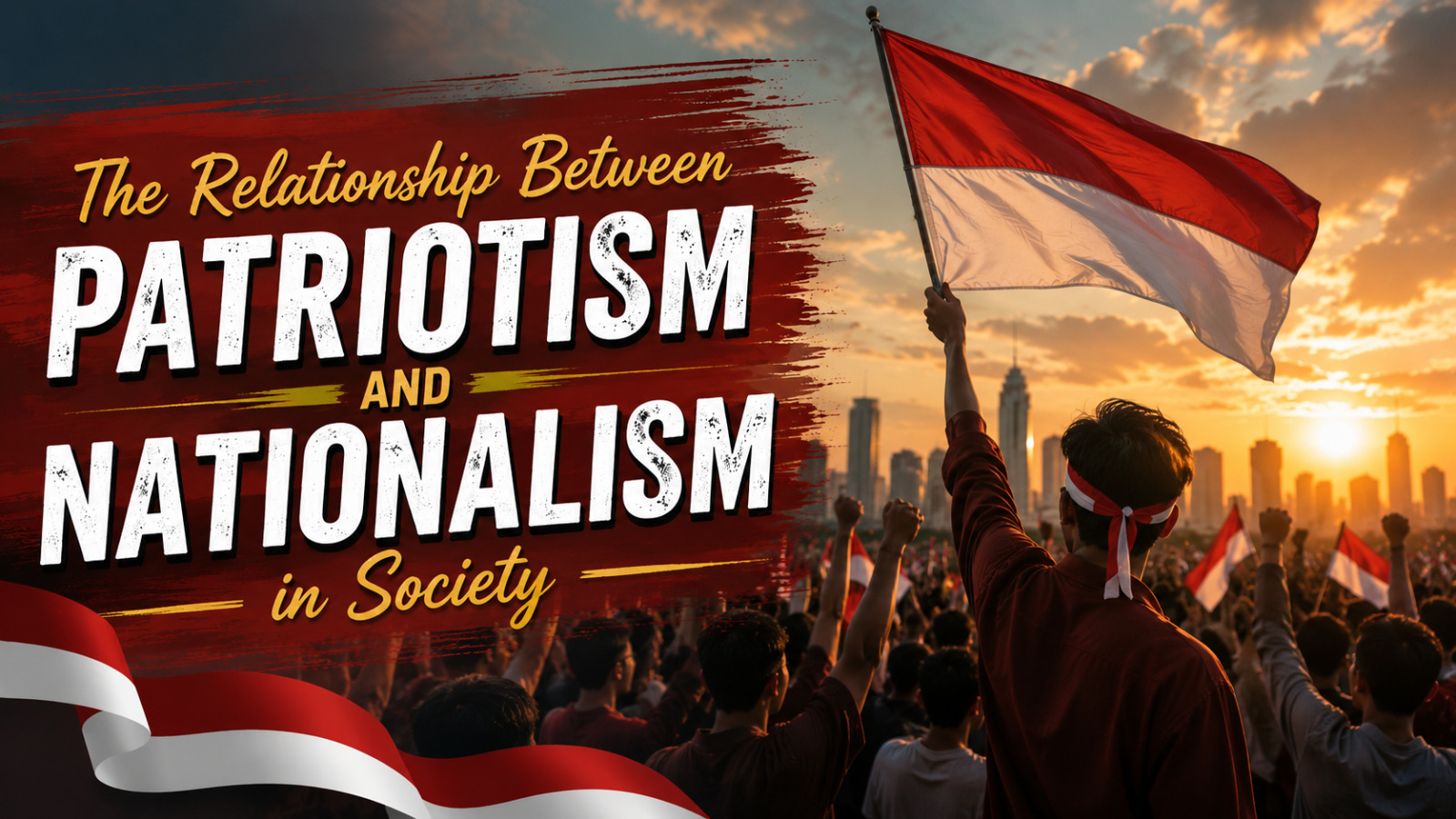
Patriotism and nationalism are closely related concepts that play an important role in shaping a strong, united, and responsible society. Although these two terms are often used interchangeably, they have different meanings and purposes. Patriotism emphasizes love, loyalty, and dedication to one's country through positive actions, while nationalism focuses on protecting and strengthening the nation's identity, sovereignty, and interests. When practiced with balance and mutual respect, both values contribute to national unity, social harmony, and sustainable development. Understanding the relationship between patriotism and nationalism helps citizens appreciate their country while respecting the rights and cultures of others. This balanced perspective is essential for building a peaceful and progressive society in the modern era.
UNDERSTANDING PATRIOTISM AND NATIONALISM
Patriotism is the sincere love and commitment a person has toward their country. It is demonstrated through responsible actions such as obeying the law, respecting national values, protecting public property, and contributing to community development. Patriotism encourages citizens to support their nation while promoting peace, cooperation, and respect for diversity.
Nationalism, on the other hand, focuses on strengthening national identity, protecting independence, and preserving the country's sovereignty. It encourages citizens to value their nation's history, language, traditions, and achievements. Healthy nationalism is based on unity and pride without creating hostility toward other nations or cultures.
HOW PATRIOTISM AND NATIONALISM COMPLEMENT EACH OTHER?
Although they have different definitions, patriotism and nationalism complement one another in many ways. Patriotism provides the emotional connection that inspires people to care about their country, while nationalism reinforces the importance of preserving national identity and independence. Together, they encourage citizens to participate in nation-building and social development.
When these values are balanced, citizens become more willing to contribute to education, economic growth, environmental protection, and public welfare. They also understand that national progress depends on cooperation and shared responsibility. This combination creates a stronger and more united society.
THEIR ROLE IN PROMOTING SOCIAL HARMONY
A society that embraces both patriotism and nationalism is more likely to maintain peace and stability. Patriotism teaches respect for people from different backgrounds, while nationalism strengthens the shared identity that connects all citizens. Together, these values reduce social divisions and encourage cooperation among diverse communities.
Mutual respect and understanding are especially important in multicultural societies. Citizens who appreciate diversity while remaining proud of their national identity help create an inclusive environment where everyone feels valued. This strengthens trust and long-term social harmony.
THE IMPORTANCE OF THESE VALUES IN THE DIGITAL ERA
The rapid growth of digital technology has changed the way people communicate and access information. Patriotism and nationalism remain relevant because they encourage citizens to use technology responsibly while protecting national values. Young people, in particular, should use digital platforms to share educational content, promote cultural heritage, and support positive social initiatives.
Responsible digital behavior also includes avoiding misinformation, hate speech, and online activities that may threaten social unity. By combining digital literacy with patriotic and nationalistic values, citizens can contribute to a healthier and more informed online community. This approach supports both national unity and global cooperation.
HOW SOCIETY CAN STRENGTHEN PATRIOTISM AND NATIONALISM?
Developing patriotism and nationalism requires continuous effort from families, schools, communities, and government institutions. Civic education, cultural programs, volunteer activities, and community service provide valuable opportunities for people to understand and practice these values. Parents and teachers also play an essential role by setting positive examples through honesty, responsibility, and respect for others.
In addition, encouraging participation in national celebrations, environmental projects, and local development initiatives helps strengthen the connection between citizens and their country. These everyday actions create a culture of unity, cooperation, and shared responsibility that benefits future generations.
CONCLUSION
Patriotism and nationalism are closely connected values that strengthen national identity, encourage responsible citizenship, and promote social harmony. While patriotism emphasizes love and dedication to the country, nationalism focuses on preserving national identity and sovereignty. Together, these values inspire citizens to work for the common good while respecting diversity and maintaining unity. By practicing patriotism and nationalism responsibly, society can build a stronger, more peaceful, and more prosperous future.
About the Author
Gusti Ayu Tita P
Author — STEKOM University
An active author focused on academic issues, educational technology, and human resource development in the campus environment.















