The Relationship Between Self-Identity and Mental Health
Gusti Ayu Tita P
24 Juli 2026
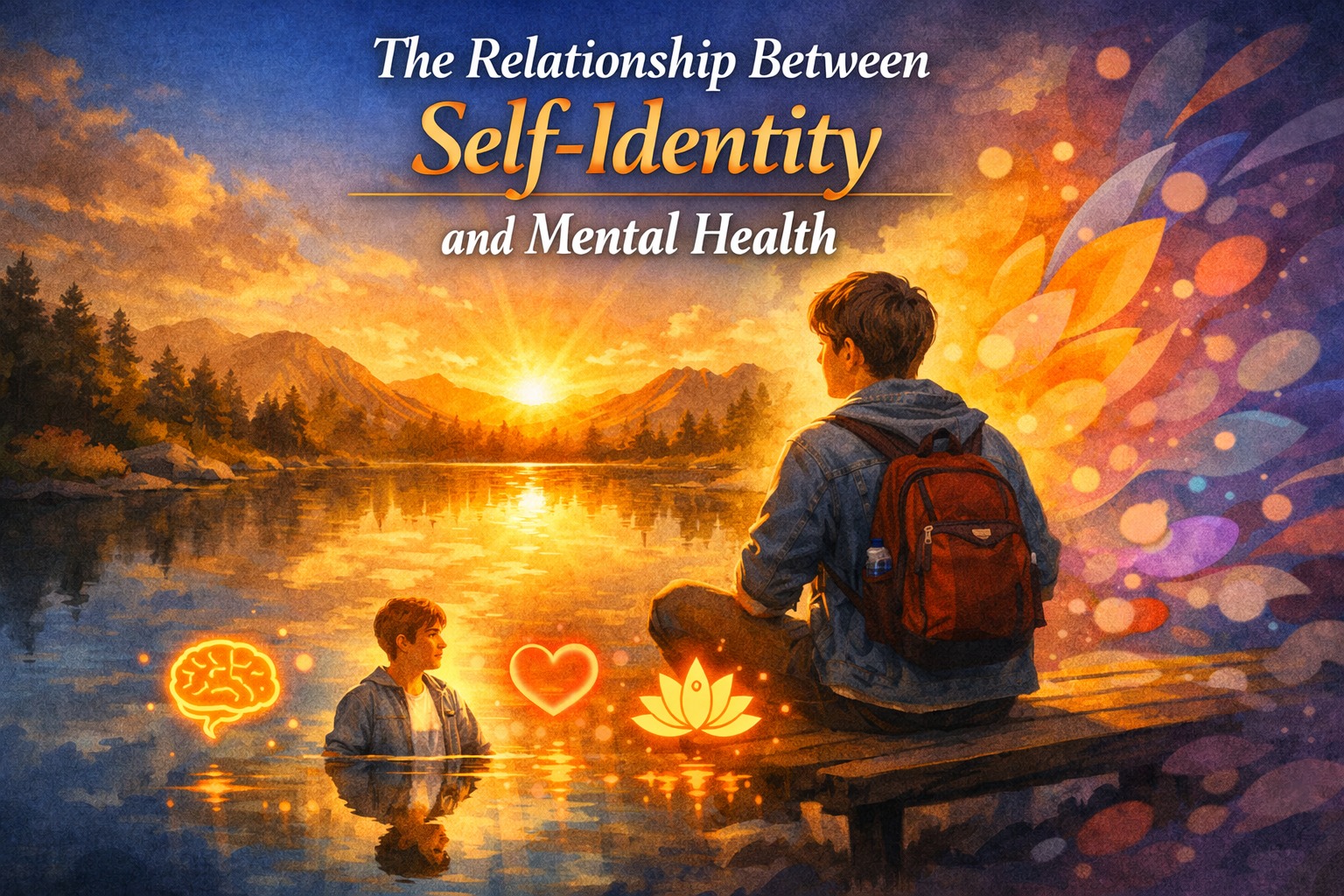
Self-identity and mental health are closely connected in everyday life. A person who understands their values, goals, and personality usually feels more confident and emotionally stable. On the other hand, confusion about identity can create stress, anxiety, and insecurity. In modern society, many young people struggle to find their true selves because of social pressure, unrealistic expectations, and the influence of social media.
Understanding the relationship between self-identity and mental health is important because it helps individuals build stronger emotional well-being and develop healthier lifestyles.
WHAT IS SELF-IDENTITY?
Self-identity is the way people see and understand themselves. It includes personal beliefs, values, interests, culture, and life goals. Self-identity helps individuals recognize who they are and what makes them unique.
A strong sense of identity allows people to make decisions with confidence. They become less dependent on the opinions of others and more focused on personal growth. However, when someone does not fully understand themselves, they may feel lost, insecure, or disconnected from their environment.
HOW SELF-IDENTITY AFFECTS MENTAL HEALTH?
Self-identity has a major influence on emotional and psychological health. People with a positive self-identity often experience better self-esteem and healthier relationships. They are more capable of handling stress and challenges in life.
In contrast, identity confusion can increase the risk of mental health problems such as anxiety, depression, and social isolation. Individuals who constantly compare themselves to others may feel inadequate and lose confidence in their abilities.
Mental health becomes stronger when people accept themselves and understand their personal strengths and weaknesses. Self-acceptance creates emotional balance and encourages positive thinking.
THE IMPACT OF SOCIAL MEDIA ON SELF-IDENTITY
Social media plays a significant role in shaping modern self-identity. Many people try to follow trends or create perfect online images to gain attention and approval. Unfortunately, this can lead to unhealthy comparisons and emotional pressure.
Young people are especially vulnerable to social media influence because they are still developing their identities. Constant exposure to unrealistic beauty standards, luxury lifestyles, and online popularity may cause insecurity and stress.
Using social media wisely is important for maintaining healthy mental conditions. People should focus on real personal growth rather than seeking validation from online audiences.
WAYS TO BUILD A HEALTHY SELF-IDENTITY
Building a healthy self-identity requires self-awareness and consistent personal development. One effective way is to spend time understanding personal values and life goals. Individuals should also avoid comparing themselves to others too often.
Developing positive habits, surrounding oneself with supportive people, and practicing self-love can improve both identity and mental health. Learning new skills and accepting personal imperfections also help strengthen self-confidence.
In addition, seeking professional support when experiencing emotional difficulties is an important step toward maintaining mental well-being.
CONCLUSION
The relationship between self-identity and mental health is very important in modern life. A strong self-identity helps people feel more confident, emotionally balanced, and mentally healthy. Meanwhile, identity confusion can negatively affect emotional well-being and increase psychological stress.
By understanding themselves, practicing self-acceptance, and using social media wisely, individuals can develop healthier minds and more meaningful lives. Building a positive self-identity is not an instant process, but it is an important journey toward long-term happiness and mental stability.
About the Author
Gusti Ayu Tita P
Author — STEKOM University
An active author focused on academic issues, educational technology, and human resource development in the campus environment.