The Role of a Governor in Regional Government
Gusti Ayu Tita P
12 Agustus 2026
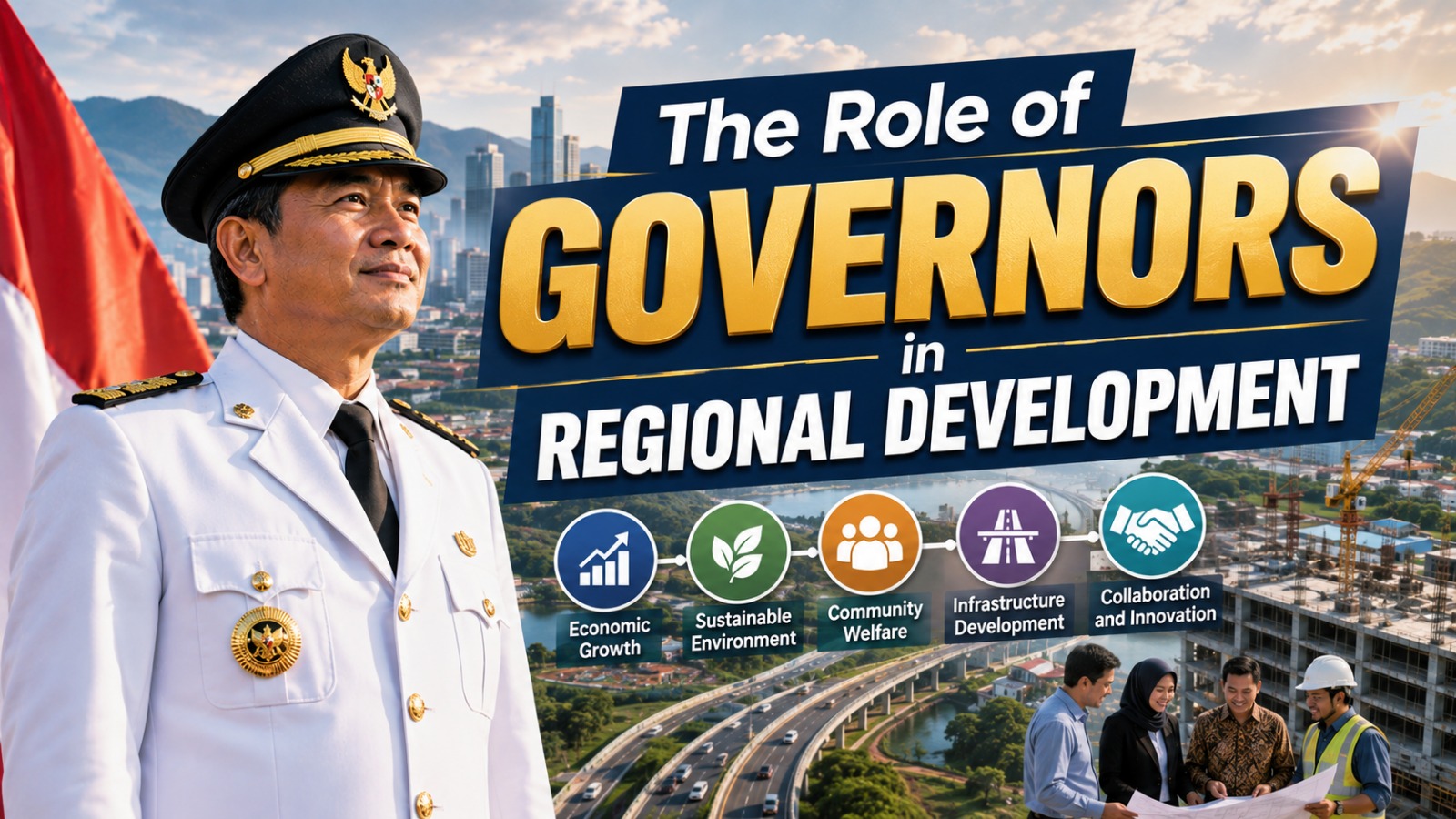
A governor plays an important role in managing government affairs at the provincial level. As the head of a province, a governor is responsible for leading regional administration and implementing policies within the authority given by law. The role involves more than making decisions because it also includes development planning, public services, coordination, and community welfare.
A well functioning regional government requires strong leadership and effective cooperation between different institutions. Governors work with regional government agencies, local councils, district and city governments, and the central government. Understanding the role of a governor helps explain how policies are implemented and how regional development can benefit communities.
LEADING PROVINCIAL GOVERNMENT
A governor serves as the head of the provincial government and leads the implementation of regional government affairs within the province. The governor works with regional agencies to carry out policies and development programs. Decisions should be based on laws, regional conditions, available resources, and community needs. Effective leadership is important to ensure that government programs have clear goals and measurable results.
A governor must also coordinate different government institutions so that their programs support the same development priorities. Good leadership requires communication, accountability, and the ability to respond to changing conditions. The governor must balance provincial priorities with national policies and local needs. This makes the governor an important figure in maintaining effective regional administration.
COORDINATING REGIONAL GOVERNMENT
A province generally consists of several districts and cities, each with its own local government. Some issues, such as transportation, environmental management, infrastructure, and economic development, can affect more than one district or city. The governor has an important coordination role in matters that involve provincial responsibilities or cross regional interests. Effective coordination can prevent overlapping programs and improve the use of public resources.
The governor also maintains coordination with the central government. This relationship helps ensure that national policies are implemented appropriately at the regional level while considering local conditions. Regular communication between levels of government can make policy implementation more consistent. Strong coordination is therefore an important part of effective regional governance.
SUPPORTING REGIONAL DEVELOPMENT
Regional development is one of the major responsibilities connected to provincial government. A governor helps establish development priorities through regional planning and government programs. These priorities can include infrastructure, education, healthcare, economic development, environmental protection, and public services. Development policies should be based on reliable data and the actual needs of communities.
A successful development program should provide long term benefits rather than focusing only on physical construction. The government needs to consider economic opportunities, human resources, environmental sustainability, and equal access to public facilities. The governor also needs to monitor whether development programs achieve their intended results. Regular evaluation can help improve future policies and programs.
IMPROVING PUBLIC SERVICES
Public services directly affect people's daily lives, making them an important part of regional government. A governor can encourage regional agencies to improve the quality, accessibility, and efficiency of services under provincial authority. Services should be delivered according to established standards and regulations. Citizens should also receive clear information about procedures, requirements, and service channels.
Technology can support better public services by making certain processes faster and easier to access. Digital services can reduce unnecessary administrative steps and help government agencies manage information more efficiently. However, digital transformation should not exclude people who have limited access to technology. Public services should remain inclusive and accessible to different groups within society.
PROMOTING REGIONAL ECONOMIC GROWTH
Governors can support economic development by encouraging policies that make use of a region's potential. Depending on local conditions, this may include agriculture, fisheries, tourism, manufacturing, trade, or the creative economy. Regional government can support businesses through appropriate policies, skills development, infrastructure, and improved public services. Economic programs should aim to create opportunities for local communities.
Small and medium sized businesses can also contribute significantly to regional economic growth. Government programs can help create a supportive business environment and improve access to information and training. Cooperation between government, businesses, educational institutions, and communities can strengthen the regional economy. Inclusive economic growth can ultimately contribute to better employment opportunities and public welfare.
SUPPORTING COMMUNITY WELFARE
Improving community welfare is an important goal of regional government. A governor can support programs related to education, healthcare, social services, employment, and economic opportunities within the authority of the provincial government. These programs should consider the different conditions experienced by communities across the province. Policies based on accurate information can help resources reach areas with greater needs.
Welfare programs should also focus on long term improvements in people's quality of life. Better education can strengthen human resources, while improved healthcare can support a healthier population. Economic opportunities can help families increase their income and become more resilient. Through coordinated policies, regional government can contribute to more inclusive development.
STRENGTHENING ACCOUNTABILITY AND OVERSIGHT
Effective regional government requires accountability in decision making and public resource management. A governor needs to ensure that government programs are implemented according to applicable laws and plans. Monitoring and evaluation can identify problems and measure whether programs achieve their targets. These processes also provide information for improving future government policies.
Transparency is equally important because citizens have an interest in understanding how government programs are managed. Clear information about policies, services, and public programs can encourage public participation and oversight. Regional officials should also maintain professional and ethical standards. Strong accountability can help build public trust in regional government.
COOPERATING WITH DIFFERENT STAKEHOLDERS
A governor cannot manage regional development alone. Effective government requires cooperation with regional agencies, district and city governments, the central government, businesses, universities, community organizations, and citizens. Each stakeholder can contribute knowledge, resources, or practical experience. Cooperation can make development programs more comprehensive and responsive to local needs.
Public participation is also valuable when governments design and evaluate policies. Community feedback can reveal problems that may not be visible through administrative data alone. Governors can encourage appropriate channels for citizens to provide suggestions, complaints, and feedback. Strong cooperation between government and society can create more responsive regional governance.
CONCLUSION
The role of a governor in regional government covers leadership, coordination, regional development, public services, economic growth, community welfare, and government accountability. A governor must ensure that regional policies are implemented effectively while remaining consistent with laws and development priorities. Strong coordination with other levels of government is also essential.
An effective governor is not measured only by the number of programs completed. The quality of public services, the impact of development, responsible use of public resources, and improvements in community welfare are equally important. With effective leadership, transparent governance, and cooperation with different stakeholders, regional government can respond better to community needs and support sustainable development.
About the Author
Gusti Ayu Tita P
Author — STEKOM University
An active author focused on academic issues, educational technology, and human resource development in the campus environment.