The Role of Black Magic in Legends and Supernatural Stories
Gusti Ayu Tita P
10 September 2026
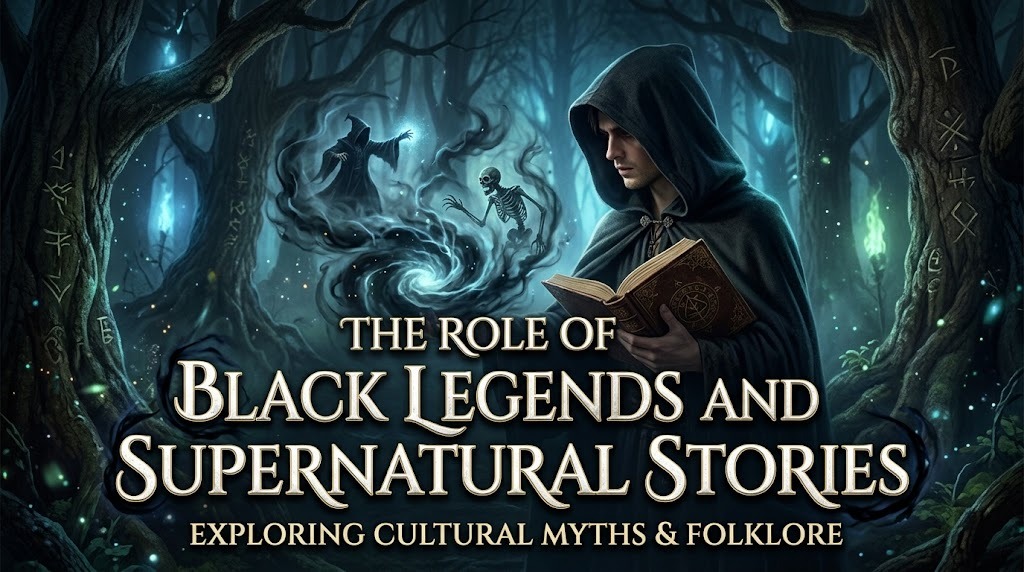
Stories about black magic have existed for centuries and can be found in many cultures around the world. These stories often describe supernatural powers, mysterious rituals, curses, or individuals believed to possess unusual abilities. Although the meaning of black magic differs between societies, it has frequently been used in legends to explain frightening or unexplained events. Over time, these stories became part of folklore, oral traditions, literature, and popular entertainment. Understanding these stories can help us see how different communities have expressed their fears, beliefs, and ideas about the supernatural.
BLACK MAGIC IN ANCIENT LEGENDS
Ancient legends often included supernatural forces as part of explanations for events that people could not easily understand. Before modern scientific knowledge became widespread, unusual illnesses, natural disasters, sudden deaths, or unexpected misfortune could be interpreted through supernatural beliefs. Some communities connected these events with curses, spirits, magical powers, or individuals who were believed to have harmful intentions. However, it is important to remember that the concept of black magic was not identical across ancient societies. Different cultures had their own terms, practices, and beliefs concerning magic.
In many traditional stories, magic was presented as a force that could be used for either beneficial or harmful purposes. Legends sometimes portrayed certain characters as people who crossed social or spiritual boundaries by using supernatural powers for personal gain or revenge. These characters became warnings about the consequences of abusing perceived supernatural abilities. As these stories were passed from generation to generation, details changed according to the culture and community telling them.
BLACK MAGIC AS PART OF FOLKLORE
Folklore plays an important role in preserving stories about supernatural powers. Folklore includes traditional stories, beliefs, customs, legends, and oral narratives that are passed between generations. Black magic frequently appears in this tradition because supernatural stories can communicate cultural values while also entertaining listeners. A legend about a curse, for example, may contain a warning about betrayal, greed, disrespect, or breaking community rules.
These stories are not necessarily historical records or proof that supernatural events actually happened. Instead, they can be understood as cultural expressions that reflect the beliefs and concerns of the societies that created them. Local traditions can influence how magical characters look, behave, and interact with ordinary people. This is why stories about black magic can be very different from one region to another.
THE ROLE OF CURSES AND MAGICAL CHARACTERS
Curses are among the most common elements associated with black magic in supernatural stories. A curse may be described as a supernatural punishment placed on an individual, family, object, or community. In legends, curses often create conflict and give characters a reason to search for answers or break a mysterious spell. These narratives can make ordinary problems appear more dramatic while reinforcing the idea that certain actions have serious consequences.
Magical characters also have an important role in these stories. Depending on the tradition, they may appear as witches, sorcerers, mysterious strangers, healers, spiritual figures, or other supernatural beings. Their portrayal often reflects the values of the society where the story developed. A character who is considered dangerous in one cultural tradition may have a different role in another.
BLACK MAGIC IN SUPERNATURAL STORIES
Supernatural stories use black magic to create mystery, fear, and suspense. The unknown nature of magical powers allows storytellers to build situations that cannot easily be explained through ordinary logic. A mysterious object, unexplained event, or strange character can become the center of a supernatural narrative. This storytelling technique has remained popular because people are naturally interested in mysteries and questions about things beyond everyday experience.
Black magic can also function as a symbol rather than simply a supernatural force. In some stories, it represents fear of the unknown, uncontrolled ambition, revenge, or the consequences of seeking forbidden knowledge. This symbolic meaning allows supernatural stories to discuss human problems through fictional or traditional narratives. As a result, black magic continues to appear in legends and literature even when audiences interpret supernatural beliefs differently from people in the past.
WHY THESE STORIES SURVIVE ACROSS GENERATIONS
Stories about black magic continue to survive because they are easy to adapt to different generations and forms of storytelling. Traditional tales can be shared through conversations, books, films, television programs, games, and digital media. Each generation may reinterpret an old story while keeping some of its central themes. Cultural storytelling therefore allows supernatural legends to remain relevant even as society changes.
Another reason these stories survive is their ability to address universal human emotions. Fear, curiosity, jealousy, revenge, uncertainty, and the desire for power appear in many societies. A supernatural story can transform these emotions into memorable characters and dramatic events. Even when people do not literally believe the supernatural elements, they may still enjoy the stories because of their cultural, historical, or entertainment value.
BLACK MAGIC IN MODERN POPULAR CULTURE
Today, black magic remains a familiar theme in popular culture. Movies, novels, television series, comics, and video games frequently use witches, curses, magical rituals, and supernatural conflicts as storytelling elements. Modern entertainment often combines traditional folklore with fictional ideas, creating new interpretations of magical practices. These portrayals should not automatically be treated as accurate representations of historical or cultural beliefs.
Modern stories can also influence how audiences understand traditional legends. Fiction may exaggerate certain elements to create stronger suspense or horror, while social media can spread simplified versions of old beliefs. For this reason, it is useful to distinguish between cultural belief, historical tradition, folklore, and fictional entertainment. Looking at black magic through these different perspectives shows why the subject has remained a powerful part of supernatural storytelling for so long.
CONCLUTION
The role of black magic in legends and supernatural stories goes beyond creating fear. Throughout history, these stories have reflected cultural beliefs, social values, human fears, and curiosity about the unknown. Black magic can appear as a curse, a supernatural power, a mysterious character, or a symbol of dangerous ambition. Although interpretations differ between cultures, the stories continue to evolve through folklore and modern popular culture. Studying them as cultural and storytelling traditions provides a better understanding of why supernatural legends remain meaningful across generations.
About the Author
Gusti Ayu Tita P
Author — STEKOM University
An active author focused on academic issues, educational technology, and human resource development in the campus environment.