
The Role of Bus Terminals in Improving Intercity Connectivity
Gusti Ayu Tita P
10 Agustus 2026
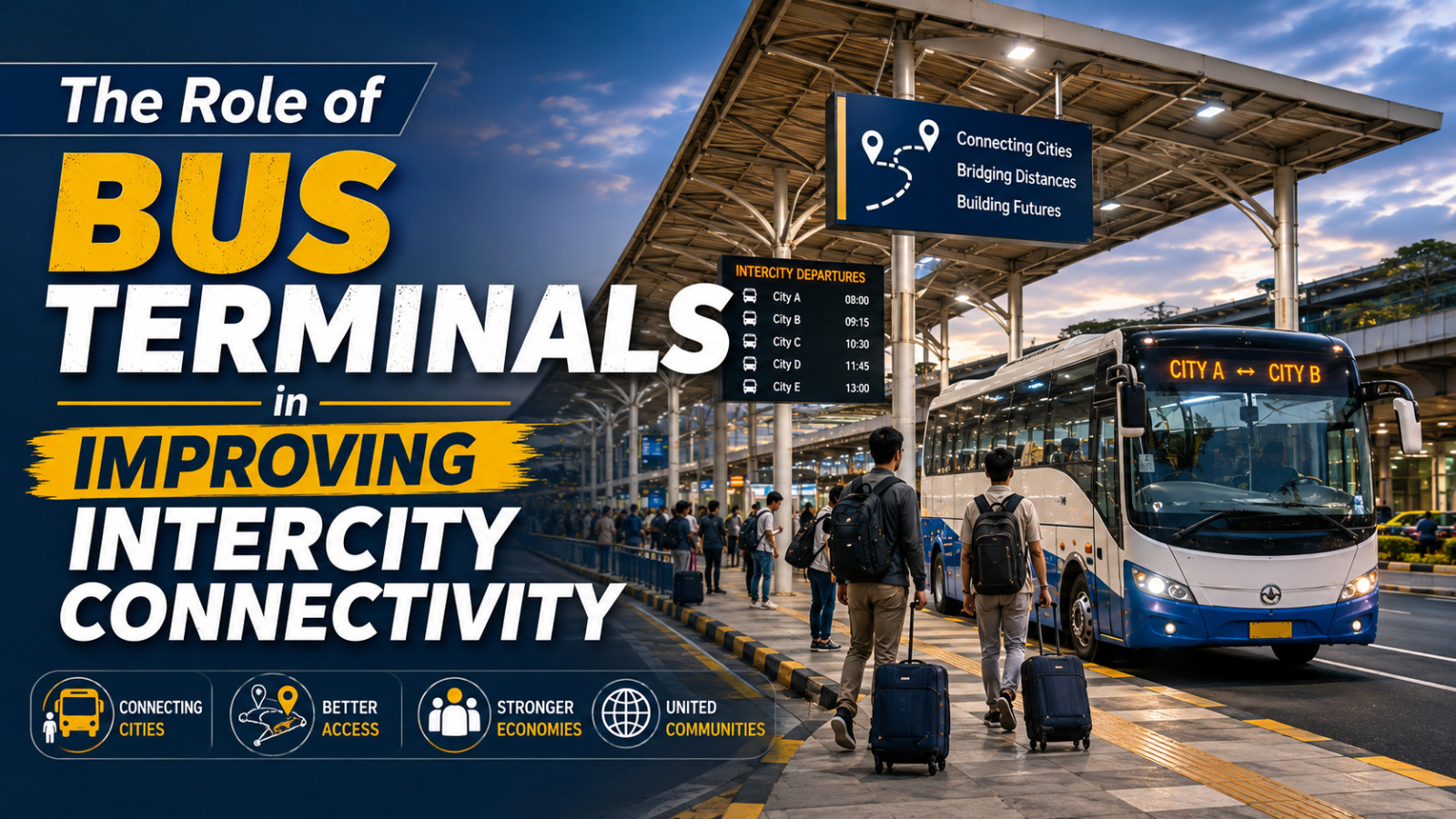
Bus terminals play an important role in connecting people from one city to another. As part of the public transportation network, terminals provide organized locations for bus arrivals, departures, and passenger transfers. Effective terminal management can make intercity travel easier, more reliable, and more accessible for communities.
SUPPORTING INTERCITY TRAVEL
Bus terminals serve as important points for intercity bus departures and arrivals. Passengers can find different bus services and destinations in one organized location. This makes it easier for people to plan trips between cities without searching for separate departure points.
Organized terminal operations also support efficient passenger movement. Buses can use designated platforms and lanes for boarding and dropping off passengers. This arrangement can reduce disorder and help create safer conditions for both passengers and bus operators.
CONNECTING DIFFERENT AREAS
A terminal can connect large cities, smaller cities, and surrounding communities through established bus routes. People living in areas with fewer transportation options can use bus services to reach larger urban centers. This connection is important for communities that depend on public transportation for regular travel.
Better connectivity also supports various social and economic activities. Easier access between cities can help people travel for education, employment, business, healthcare, and other essential activities. Therefore, the role of a bus terminal extends beyond simply providing a place for buses to stop.
MAKING PASSENGER TRANSFERS EASIER
Some passengers need to use more than one bus or transportation service to reach their final destination. A well-organized terminal can serve as a transfer point where passengers change services more easily. Clear platform numbers, signs, and travel information can make this process less confusing.
Passenger transfers become more efficient when different services are properly coordinated. Information about schedules and routes allows travelers to plan their next connection. Staff assistance can also be valuable when passengers need directions or encounter changes during their journey.
SUPPORTING ACCESS TO IMPORTANT DESTINATIONS
Intercity bus networks can help people reach important destinations such as business centers, educational institutions, markets, government offices, and other public facilities. Terminals provide a structured starting or ending point for these journeys. This helps communities maintain stronger connections with regional centers.
Terminals can also strengthen the relationship between urban and surrounding areas. People from nearby towns can travel to cities for work or education, while city residents can visit surrounding communities for different purposes. This two-way movement supports broader regional mobility.
ENCOURAGING INTEGRATED TRANSPORTATION
Intercity connectivity becomes stronger when bus terminals are connected with other transportation modes. Local buses, urban transport, rail services, and other mobility options can provide additional connections depending on the location. Passengers can then continue their journeys without needing to travel long distances between separate transportation points.
Digital systems can further improve travel coordination and connectivity. Updated schedules, route information, and digital travel services can help passengers plan connections more effectively. When infrastructure, information, and services work together, bus terminals can become important hubs within an integrated transportation network.
CONCLUSION
Bus terminals contribute significantly to intercity connectivity by connecting routes, cities, and surrounding communities. They organize bus arrivals and departures, support passenger transfers, and provide access to important destinations. Integration with other transportation modes and digital information can make these connections even more effective. With proper management and reliable services, bus terminals can help create a more connected, accessible, and efficient public transportation network.
About the Author
Gusti Ayu Tita P
Author — STEKOM University
An active author focused on academic issues, educational technology, and human resource development in the campus environment.















