The Role of Cultural Traditions in Independence Day Celebrations
Gusti Ayu Tita P
4 Agustus 2026
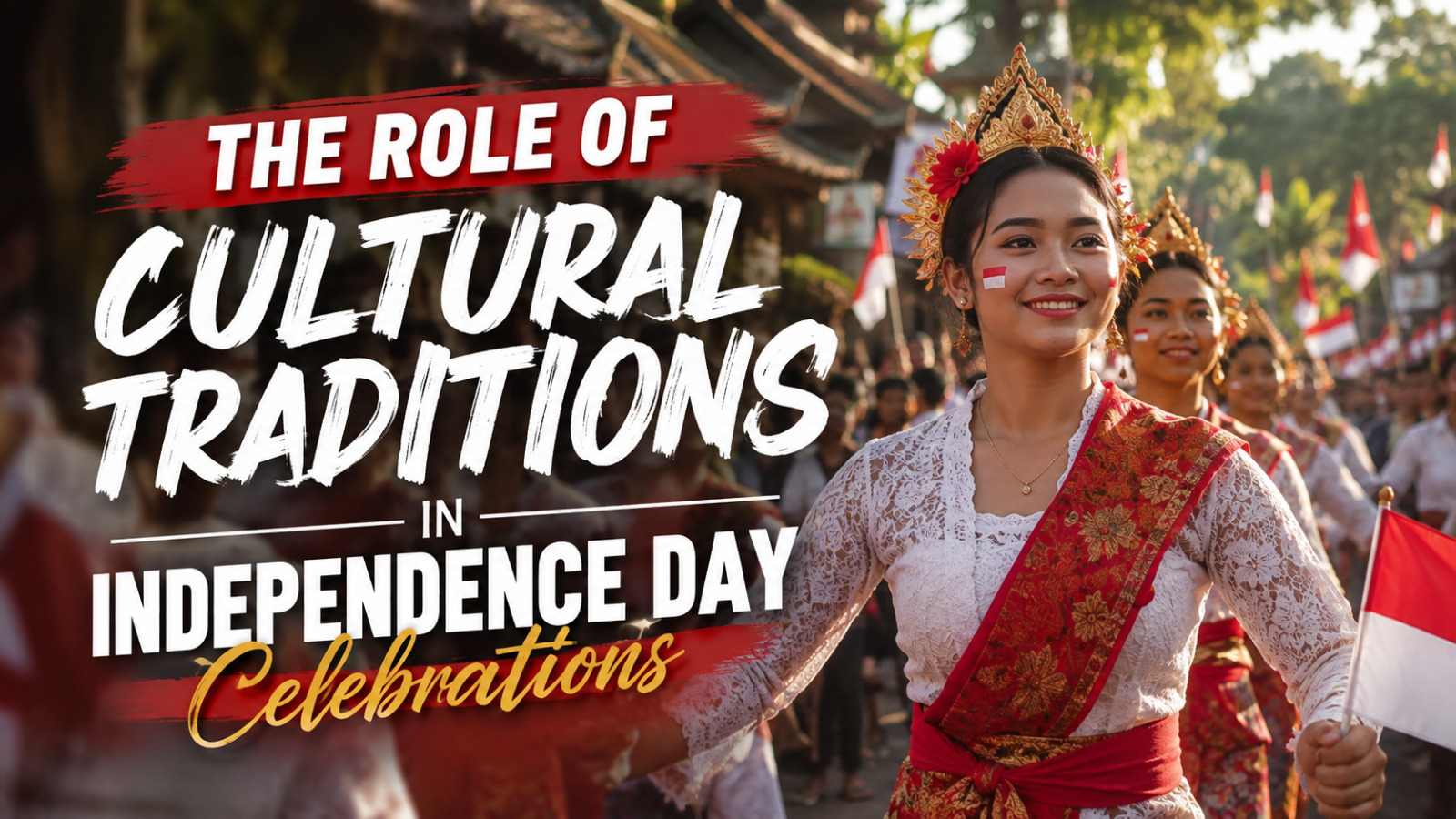
Independence Day is more than a national holiday. It is a meaningful occasion that brings people together to honor the nation's history, celebrate freedom, and strengthen the spirit of unity. One of the most valuable aspects of these celebrations is the presence of cultural traditions that have been preserved and passed down from generation to generation. From traditional performances to local customs, these traditions help create memorable celebrations while reminding people of their shared identity.
Cultural traditions also allow younger generations to appreciate the sacrifices made by previous generations. They encourage communities to participate actively in events that highlight national values and cultural diversity. As a result, Independence Day becomes not only a celebration of freedom but also a celebration of heritage, unity, and national pride.
WHY CULTURAL TRADITIONS MATTER DURING INDEPENDENCE DAY
Cultural traditions play a vital role in preserving a nation's identity during Independence Day celebrations. Traditional dances, music, costumes, and ceremonies remind people of their historical roots and the values that shaped the country. These activities help ensure that cultural heritage remains alive despite the rapid changes of modern society.
In addition, cultural traditions encourage people from different backgrounds to celebrate together. By sharing customs and participating in community events, individuals develop a stronger sense of belonging and mutual respect. This unity is one of the greatest strengths of national celebrations.
POPULAR CULTURAL ACTIVITIES IN INDEPENDENCE DAY CELEBRATIONS
Many communities organize traditional games, cultural festivals, parades, and artistic performances during Independence Day. Activities such as folk dancing, local music performances, storytelling, and traditional food exhibitions attract people of all ages. These events provide entertainment while also educating participants about local history and customs.
Traditional competitions also remain popular because they encourage teamwork and community involvement. Families, schools, and neighborhoods participate together, creating joyful memories that strengthen relationships. These activities demonstrate that cultural traditions can be both educational and enjoyable.
HOW CULTURAL TRADITIONS STRENGTHEN NATIONAL UNITY
One of the greatest benefits of cultural traditions is their ability to unite people regardless of age, ethnicity, or social background. When communities gather to celebrate together, they focus on common values rather than differences. This shared experience helps strengthen social harmony and reinforces the importance of national solidarity.
Cultural celebrations also inspire feelings of patriotism by reminding people of their country's journey toward independence. Through songs, historical performances, and symbolic ceremonies, participants gain a deeper appreciation for the sacrifices that secured their nation's freedom.
THE IMPORTANCE OF INVOLVING YOUNGER GENERATIONS
Young people play an essential role in keeping cultural traditions alive. Schools, youth organizations, and community groups can introduce students to traditional arts, local history, and national values through educational programs and Independence Day activities. These experiences help children develop respect for their cultural heritage from an early age.
Modern technology can also support cultural preservation. Young generations often share cultural performances, traditional recipes, and historical stories through social media, allowing these traditions to reach wider audiences. By combining tradition with innovation, cultural heritage remains relevant in today's digital world.
BALANCING TRADITION WITH MODERN CELEBRATIONS
While modern entertainment has become a common part of Independence Day events, it should complement rather than replace cultural traditions. Concerts, digital displays, and interactive activities can be combined with traditional performances to create celebrations that appeal to all generations. This balance keeps celebrations exciting while preserving their cultural significance.
Communities should continue encouraging local artists, cultural groups, and volunteers to participate in Independence Day programs. Their involvement ensures that traditional customs remain visible and appreciated. By embracing both modern creativity and cultural heritage, Independence Day celebrations become richer and more meaningful.
CONCLUSION
Cultural traditions are an essential part of Independence Day celebrations because they preserve national identity, strengthen community bonds, and promote patriotism. Traditional performances, local customs, and community activities allow people to celebrate freedom while honoring their shared history. By involving younger generations and adapting traditions to modern times, these valuable cultural practices can continue inspiring future generations. Ultimately, cultural traditions transform Independence Day into a celebration that reflects both the nation's past and its hopes for the future.
About the Author
Gusti Ayu Tita P
Author — STEKOM University
An active author focused on academic issues, educational technology, and human resource development in the campus environment.