The Role of Diplomats in Building International Relations
Gusti Ayu Tita P
24 Juli 2026
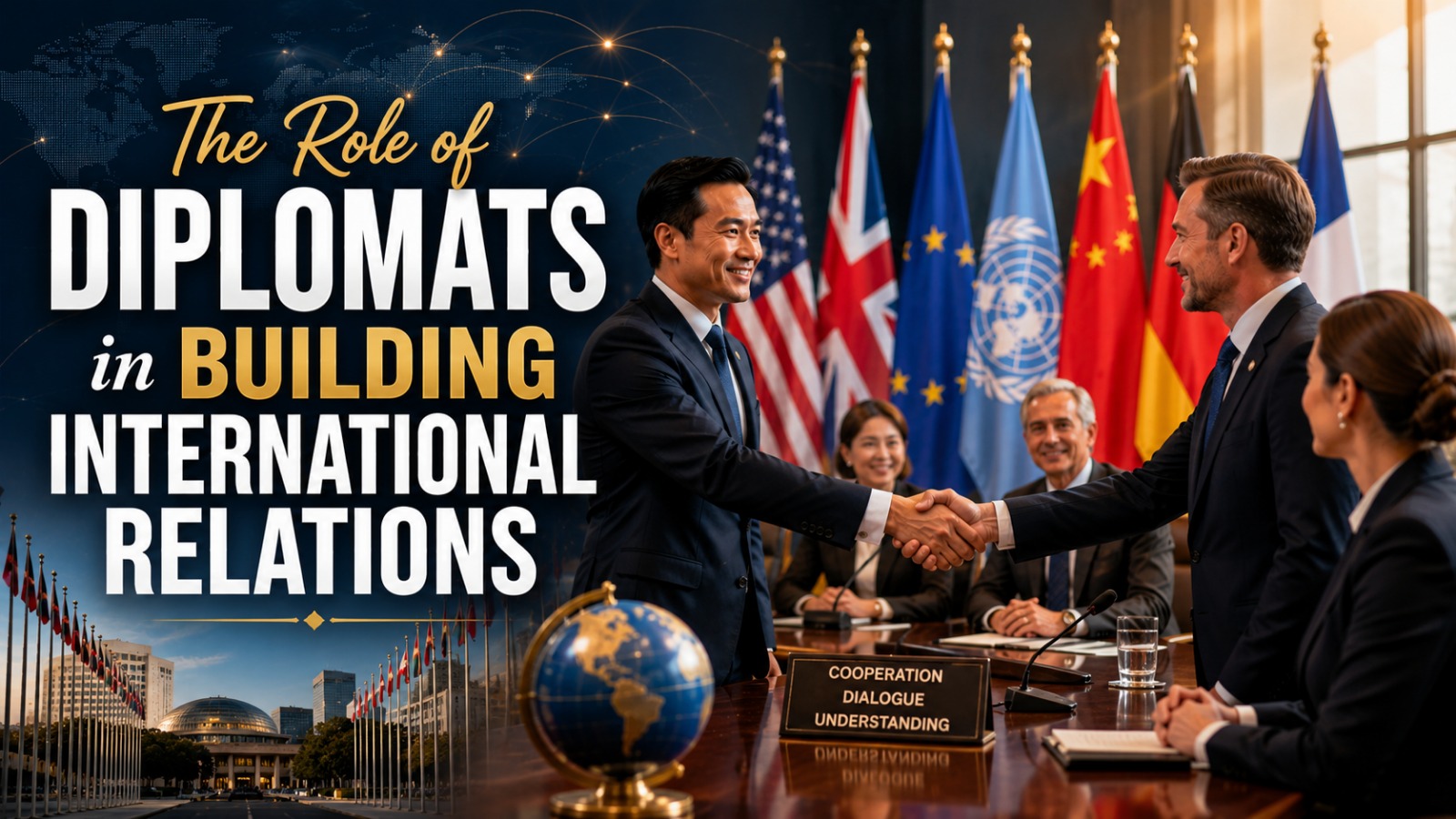
International relations depend on cooperation, communication, and mutual understanding between countries. Behind many successful agreements and peaceful negotiations are diplomats who represent their nations while promoting shared interests. Their work goes far beyond attending official meetings because they are also responsible for protecting national interests, encouraging economic partnerships, and preventing conflicts. In today's interconnected world, diplomacy has become more important than ever as countries face global challenges that require international collaboration. Understanding the role of diplomats helps us appreciate how they contribute to a more peaceful and stable world.
UNDERSTANDING THE ROLE OF DIPLOMATS
Diplomats are official representatives appointed by their governments to manage relationships with other countries and international organizations. Their primary responsibility is to communicate national policies while maintaining positive relations with foreign governments. They gather political, economic, and social information that helps their country make informed decisions. Diplomats also assist citizens living or traveling abroad through embassies and consulates. Their work requires professionalism, integrity, and excellent communication skills.
Beyond representing their countries, diplomats play an important role in creating trust between nations. They participate in discussions, negotiations, and international conferences to address common concerns. By maintaining open communication, diplomats reduce misunderstandings that could lead to disputes. They also strengthen cooperation in education, science, technology, and cultural exchange. Their efforts create stronger connections that benefit both governments and citizens.
HOW DIPLOMATS BUILD INTERNATIONAL RELATIONS?
Building international relations requires patience, consistency, and mutual respect. Diplomats regularly communicate with government officials, business leaders, and international organizations to develop productive partnerships. They negotiate agreements that support trade, investment, security, environmental protection, and humanitarian cooperation. Every successful negotiation contributes to stronger diplomatic ties between countries. These relationships often create long-term economic and political benefits.
Diplomats also organize official visits, bilateral meetings, and international forums where leaders discuss shared goals. Through these activities, they encourage collaboration instead of competition. Strong diplomatic relationships allow countries to exchange knowledge, technology, and resources more effectively. This cooperation helps nations respond to global issues such as climate change, public health, and economic development. As a result, diplomacy becomes a foundation for international stability.
DIPLOMATS AS PEACE BUILDERS
One of the most significant responsibilities of diplomats is preventing and resolving international conflicts. They serve as negotiators who encourage dialogue instead of confrontation when disagreements arise. Diplomats carefully analyze different perspectives to find solutions that are acceptable to all parties. Their negotiation skills help reduce political tension and prevent disputes from escalating into larger conflicts. Peaceful communication is always preferred over the use of force.
In addition to conflict prevention, diplomats often participate in peace agreements and humanitarian initiatives. They coordinate with international organizations to provide support during crises and natural disasters. Diplomatic efforts can also help restore trust between countries after periods of conflict. By promoting cooperation and mutual understanding, diplomats contribute to long-term regional and global peace. Their work demonstrates that dialogue remains one of the most effective tools for resolving international problems.
THE IMPACT OF DIPLOMACY ON GLOBAL DEVELOPMENT
Diplomacy contributes significantly to global economic growth and sustainable development. Diplomatic agreements encourage international trade, foreign investment, and business partnerships that create employment opportunities. Governments also cooperate through diplomatic channels to improve infrastructure, technology transfer, and educational programs. These partnerships help countries strengthen their economies while supporting long-term development goals. Economic diplomacy has become an essential part of international relations.
Diplomats also promote cooperation in addressing global challenges that affect multiple countries. They facilitate discussions on climate action, renewable energy, cybersecurity, food security, and public health. International collaboration allows countries to share expertise and resources more efficiently. Diplomatic cooperation ensures that global problems receive coordinated responses rather than isolated efforts. This collective approach benefits people around the world.
ESSENTIAL SKILLS OF A SUCCESSFUL DIPLOMAT
Successful diplomats possess a combination of knowledge, communication skills, and emotional intelligence. They must understand international law, political systems, economics, and foreign policy. Strong negotiation abilities enable them to represent national interests while maintaining positive relationships with other countries. They also need cultural awareness to interact respectfully with people from different backgrounds. Adaptability is another important quality because international situations can change rapidly.
Critical thinking and problem-solving skills help diplomats make informed decisions during complex negotiations. They must remain calm under pressure and communicate clearly even during difficult discussions. Language proficiency allows diplomats to interact effectively in international environments and reduce communication barriers. Ethical behavior and professionalism are essential for building credibility and trust. Together, these qualities enable diplomats to successfully represent their countries on the global stage.
CONCLUSION
Diplomats play a vital role in building strong international relations by promoting communication, cooperation, and peaceful negotiation. Their responsibilities extend beyond representing their governments to supporting economic growth, cultural exchange, conflict resolution, and global development. As international challenges become increasingly interconnected, diplomacy remains one of the most effective ways to strengthen partnerships and maintain global stability. Through professionalism, dialogue, and mutual respect, diplomats continue to build bridges between nations and contribute to a safer, more cooperative world.
About the Author
Gusti Ayu Tita P
Author — STEKOM University
An active author focused on academic issues, educational technology, and human resource development in the campus environment.