
The Role of District Heads in Maintaining Public Order
Gusti Ayu Tita P
12 Agustus 2026
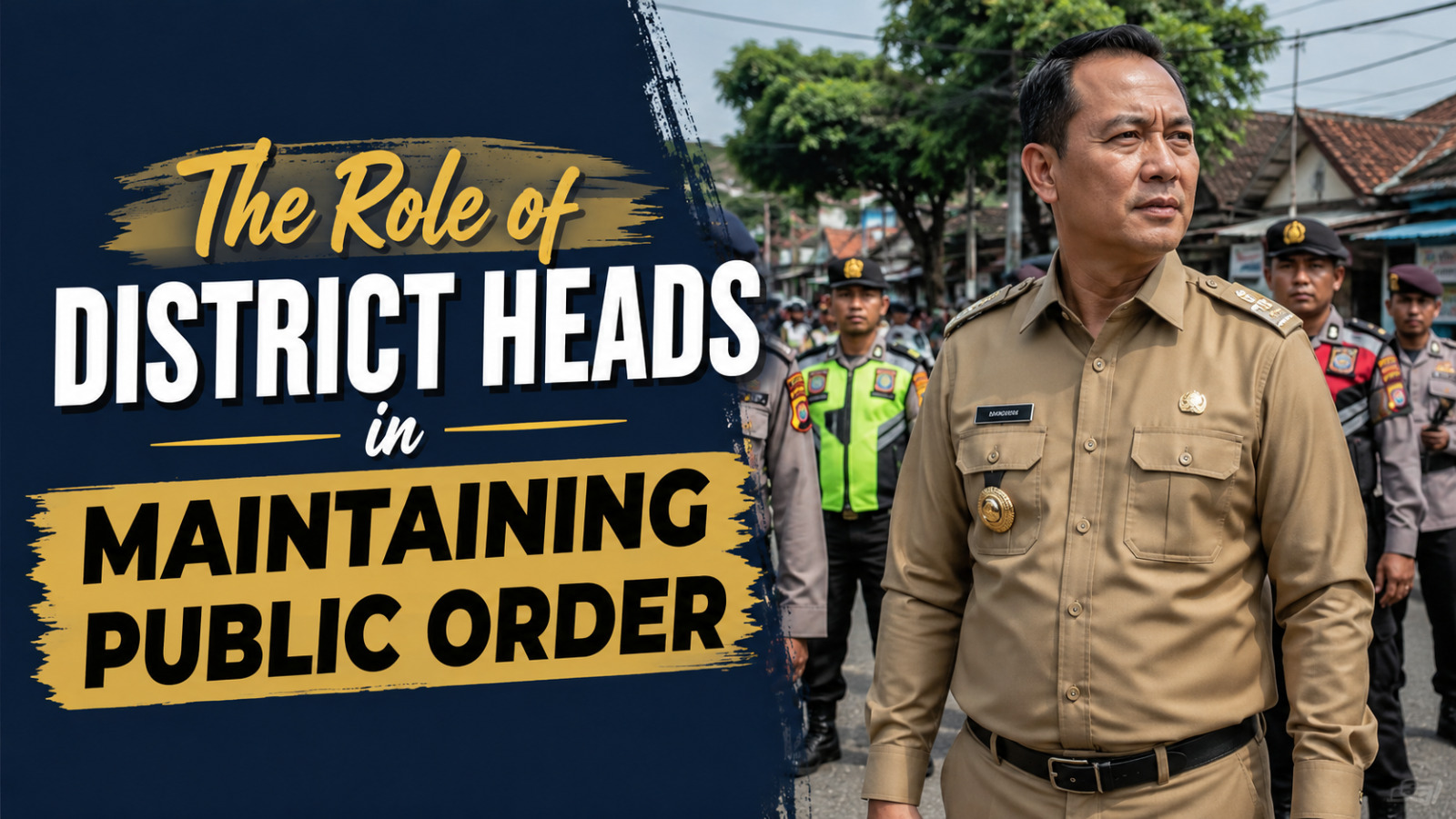
District heads play an important role in maintaining public order and community safety at the local administrative level. They act as a bridge between higher levels of government, villages, and local communities. Through coordination, supervision, and communication, district heads help ensure that government policies are implemented effectively. Their work is important because peaceful and orderly communities provide a better environment for social and economic development.
COORDINATING PUBLIC ORDER AND COMMUNITY SAFETY
One of the main responsibilities of a district head is to coordinate efforts to maintain public order within the district. This can involve working with local government agencies, security institutions, village governments, community organizations, and residents. Effective coordination allows potential problems to be identified and addressed before they become more serious. District heads also help ensure that government programs related to public safety are properly communicated to communities.
A district head does not work alone when dealing with public order. Cooperation with relevant authorities is necessary because different institutions have different responsibilities and legal powers. Through regular communication and coordination, local problems can be handled more efficiently. Strong coordination can also prevent misunderstandings between government institutions and residents.
RESPONDING TO COMMUNITY PROBLEMS
District heads are often involved in responding to various problems that affect local communities. These may include social conflicts, public disturbances, environmental problems, or disputes between residents. Their role is generally focused on coordination, facilitation, and helping relevant authorities find appropriate solutions. When necessary, they can bring together community representatives and government officials to discuss the situation.
Listening to residents is also an important part of maintaining public order. Communities can provide valuable information about problems that may not immediately be visible to government officials. By maintaining open communication, district heads can better understand local conditions and coordinate suitable responses. Community participation makes public order efforts more effective and sustainable.
BUILDING COOPERATION WITH LOCAL COMMUNITIES
Public order cannot depend entirely on government institutions. District heads need to encourage community participation and cooperation in maintaining a safe and peaceful environment. This can be supported through communication forums, community meetings, public awareness programs, and collaboration with local organizations. Residents who feel involved are more likely to contribute positively to their communities.
Good relationships between district governments and residents can also reduce unnecessary tensions. District heads can encourage communities to solve minor problems through dialogue and mutual understanding. They can also promote awareness about respecting differences and following applicable regulations. Trust between local leaders and residents is an important foundation for community stability.
SUPPORTING THE IMPLEMENTATION OF LOCAL REGULATIONS
District heads also have a role in supporting the implementation of local government policies and regulations. They can help communicate regulations to residents so that people understand their purpose and requirements. Clear communication is important because regulations are more likely to be followed when communities understand how they affect daily life. District governments can also coordinate with relevant agencies when violations or implementation problems occur.
However, the district head's authority must remain within the limits established by law. Enforcement responsibilities may belong to other institutions depending on the type of violation or problem involved. Therefore, district heads should focus on coordination, facilitation, supervision, and public communication according to their legal duties. This approach helps ensure that local governance remains orderly and accountable.
PREVENTING CONFLICTS IN THE COMMUNITY
Another important contribution of district heads is helping prevent conflicts before they become larger problems. Local leaders can monitor community conditions and encourage communication between groups when tensions arise. Early dialogue can sometimes prevent disagreements from developing into serious disturbances. District heads can coordinate with village officials and other relevant parties to understand the causes of local conflicts.
Conflict prevention also requires sensitivity to local conditions. Social, economic, cultural, and administrative issues can sometimes influence relationships within a community. By listening to different perspectives, district heads can help create opportunities for peaceful solutions. Early intervention and constructive communication can strengthen social harmony.
STRENGTHENING GOVERNMENT COORDINATION
Maintaining public order requires cooperation among different levels of government. District heads help connect district administration with village governments and higher government authorities. This coordination allows information about community conditions to move more effectively between institutions. It also helps ensure that government programs are implemented consistently at the local level.
Good coordination becomes especially important during emergencies or situations that require a quick response. District heads can help organize communication among relevant institutions and support the delivery of information to communities. They can also help identify local needs and report them to the appropriate authorities. Effective coordination improves the ability of local government to respond to community concerns.
CHALLENGES IN MAINTAINING PUBLIC ORDER
Modern district heads face several challenges when maintaining public order. Rapid information sharing through social media can make rumors and misinformation spread quickly. Economic pressures, social differences, population growth, and changing community expectations can also create new challenges for local administration. District heads therefore need to understand both traditional community dynamics and modern communication environments.
Another challenge is balancing government policies with the needs and expectations of residents. People may have different opinions about regulations, development projects, or public services. District heads need strong communication and problem-solving abilities to manage these differences responsibly. Transparent communication and evidence-based decision making can help build public confidence.
USING TECHNOLOGY FOR BETTER PUBLIC ORDER
Technology can support district heads in monitoring and responding to community issues. Digital communication channels can make it easier for residents to submit complaints, provide information, or receive official announcements. Government offices can also use digital systems to improve coordination and record community reports. When used responsibly, technology can make local government services more responsive and accessible.
Nevertheless, technology should be used carefully. Information received through digital platforms needs to be verified before government officials take action. District governments should also protect personal information and avoid spreading unverified reports. Responsible use of technology can improve communication without compromising public trust.
CONCLUSION
District heads have an important role in maintaining public order and supporting peaceful communities. Their responsibilities include coordinating with government institutions, communicating with residents, supporting local regulations, preventing conflicts, and responding to community concerns. They must work within their legal authority while cooperating with institutions that have specific responsibilities for security and law enforcement.
The success of public order efforts depends not only on government leadership but also on community participation and institutional cooperation. By building trust, improving communication, using technology responsibly, and responding to problems early, district heads can contribute to safer and more harmonious communities. Their role is therefore an important part of effective local governance.
About the Author
Gusti Ayu Tita P
Author — STEKOM University
An active author focused on academic issues, educational technology, and human resource development in the campus environment.















