
The Role of Environment in Shaping Self-Identity
Gusti Ayu Tita P
29 Juli 2026
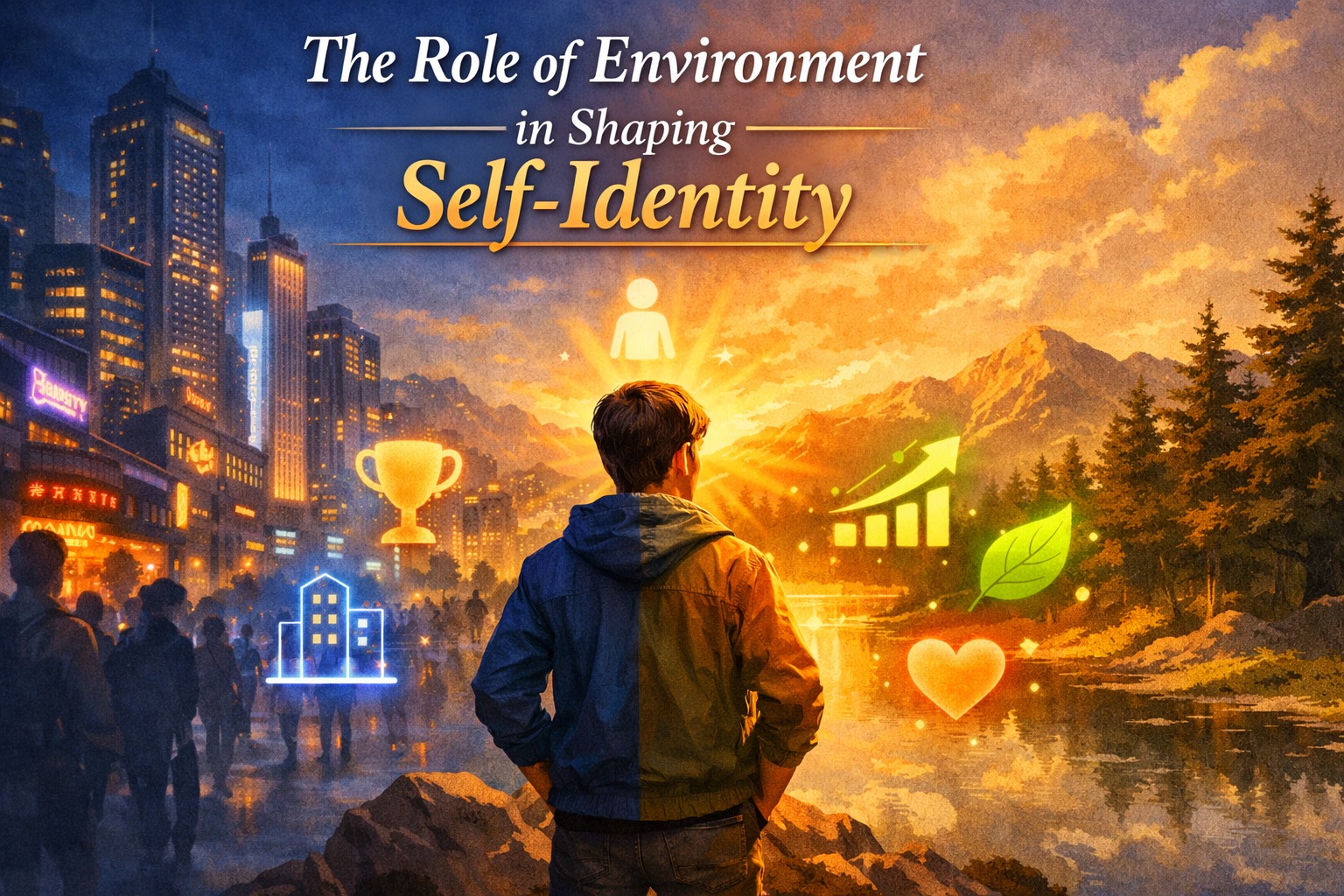
Self-identity is an important part of human life because it influences how people think, behave, and interact with others. Every individual develops their identity through various experiences, relationships, and social influences. One of the strongest factors that shapes self-identity is the environment. Family, friends, school, culture, and social media all contribute to the way a person sees themselves and their role in society.
In modern life, understanding the connection between environment and self-identity has become increasingly important. People are constantly exposed to different opinions, trends, and expectations that may affect their confidence and personal values. Therefore, learning how the environment shapes identity can help individuals build a stronger and healthier sense of self.
FAMILY AS THE FIRST FOUNDATION OF IDENTITY
Family is the first environment that influences a person’s character and identity. From childhood, parents teach values, habits, and beliefs that become the foundation of personal development. Children who grow up in supportive families often develop confidence, emotional stability, and positive self-esteem.
On the other hand, negative family environments may create insecurity and confusion about personal identity. Lack of communication, excessive pressure, or emotional neglect can affect how individuals value themselves. This is why parents play a crucial role in helping children understand their strengths and uniqueness.
THE INFLUENCE OF FRIENDS AND SOCIAL CIRCLES
Friendship also has a strong impact on self-identity, especially during adolescence. Teenagers often spend more time with friends than with family, making peer influence very powerful. Positive friendships can encourage personal growth, motivation, and self-confidence.
However, unhealthy social circles may pressure individuals to follow behaviors that do not match their true personality. Many young people change the way they dress, speak, or behave in order to fit into a group. While adaptation is natural, losing authenticity can lead to identity confusion and emotional stress.
SOCIAL MEDIA AND MODERN IDENTITY
In today’s digital era, social media has become one of the biggest environmental influences on self-identity. Platforms such as Instagram, TikTok, and YouTube expose people to ideal lifestyles, beauty standards, and social trends every day.
Although social media can inspire creativity and connection, it can also create unrealistic expectations. Many individuals compare themselves to others and feel insecure about their appearance, achievements, or social status. As a result, people may struggle to appreciate their true selves.
To maintain a healthy identity, it is important to use social media wisely. People should focus on self-development rather than seeking validation from online audiences.
CULTURE AND COMMUNITY VALUES
Culture and community also shape the way people define themselves. Traditions, language, religion, and social norms influence personal beliefs and behavior. In some communities, collective values are emphasized, while others encourage independence and self-expression.
Cultural environments can create a sense of belonging and pride. However, cultural pressure may sometimes limit individuality. Individuals need to balance cultural respect with personal freedom so they can develop identities that reflect both their roots and their authentic personalities.
BUILDING A STRONG SELF-IDENTITY
Developing a strong self-identity requires self-awareness and critical thinking. People should learn to recognize their values, goals, and passions without being completely controlled by external influences. A healthy environment can support this process by encouraging acceptance, growth, and emotional support.
Reading books, learning new skills, joining positive communities, and surrounding oneself with supportive people can strengthen identity development. Self-identity becomes stronger when individuals understand who they are and what they truly believe in.
CONCLUSION
The environment plays a major role in shaping self-identity throughout life. Family, friendships, culture, and social media all influence how people think about themselves and interact with the world. Positive environments can build confidence and self-awareness, while negative influences may create insecurity and identity confusion.
In a rapidly changing world, individuals must learn how to protect and develop their authentic selves. By choosing healthy environments and staying true to personal values, people can create strong self-identities that support happiness and personal success.
About the Author
Gusti Ayu Tita P
Author — STEKOM University
An active author focused on academic issues, educational technology, and human resource development in the campus environment.















