
The Role of Governors in Advancing Regional Development
Gusti Ayu Tita P
12 Agustus 2026
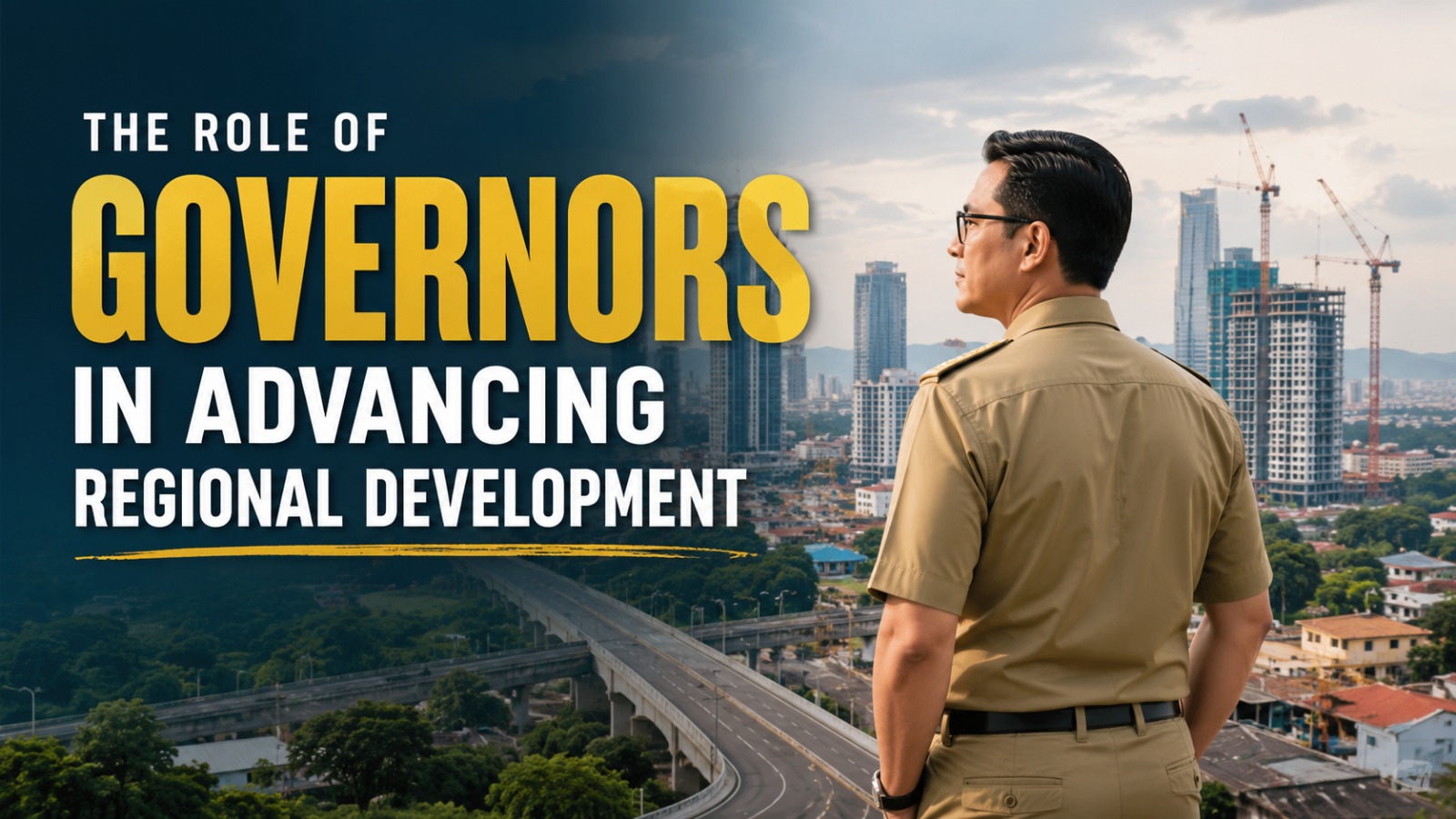
Regional development is essential for improving living standards, strengthening local economies, and creating better opportunities for communities. Governors play an important role in guiding development within their legal authority and coordinating programs across different areas. Their decisions can influence infrastructure, public services, economic growth, education, healthcare, and environmental management.
However, regional development cannot depend on a governor alone. Successful development requires cooperation with national governments, local administrations, businesses, communities, and other institutions. Strong leadership, careful planning, and responsible use of public resources are needed to ensure that development programs produce lasting benefits.
SETTING REGIONAL DEVELOPMENT PRIORITIES
One of the main roles of a governor is to help establish development priorities for the region. These priorities should reflect local needs, economic conditions, population trends, available resources, and long term development goals. A governor works with regional government institutions to translate these priorities into policies and development programs.
Good priorities should address both immediate problems and future challenges. For example, a region may need better transportation while also preparing for population growth and technological change. By combining short term needs with long term planning, governors can help create a more balanced development strategy.
IMPROVING REGIONAL INFRASTRUCTURE
Infrastructure is one of the foundations of regional development. Governors can support the planning and improvement of roads, bridges, transportation systems, public facilities, water services, and digital connectivity within their authority. Better infrastructure can make it easier for people, businesses, and goods to move between communities.
Infrastructure development can also reduce regional inequality. Areas with limited access to transportation or basic services may face greater economic and social challenges. By identifying infrastructure gaps and directing appropriate resources toward priority areas, regional governments can help create more equal development opportunities.
STRENGTHENING THE LOCAL ECONOMY
Governors can contribute to economic development by creating policies that support businesses, investment, employment, and local industries. Each region has different economic strengths, such as agriculture, manufacturing, tourism, fisheries, services, or creative industries. Development strategies should therefore be adapted to the characteristics and potential of the region.
Supporting small businesses and local entrepreneurs can also strengthen the regional economy. Governments can improve the business environment, provide relevant training programs, and coordinate access to supporting services within their authority. A stronger local economy can create jobs and increase household income.
IMPROVING PUBLIC SERVICES
Quality public services are an important measure of regional development. Depending on the division of responsibilities in a country, governors may oversee or coordinate services related to education, healthcare, transportation, social welfare, and other public needs. Improving these services can directly affect the quality of life of residents.
Governors can encourage government agencies to improve efficiency, accessibility, and accountability. The use of technology can also make some public services faster and easier to access. Regular evaluation is important to identify weaknesses and ensure that government programs continue to meet community needs.
DEVELOPING HUMAN RESOURCES
Regional progress depends heavily on the quality of its people. Governors can support policies and programs that improve education, vocational skills, healthcare, and employment opportunities within their responsibilities. Skilled and healthy residents are better prepared to participate in economic development and adapt to changes in the labor market.
Human resource development should also consider young people and other groups that may face barriers to education or employment. Training programs can help residents develop practical skills that match regional economic opportunities. Investing in people can therefore produce benefits that continue long after individual development projects are completed.
COORDINATING DIFFERENT LEVELS OF GOVERNMENT
Regional development often involves responsibilities shared between national, regional, and local governments. Governors can help coordinate policies and programs so that development efforts are connected rather than operating separately. Cooperation is particularly important for projects that cross administrative boundaries.
Good coordination can improve resource use and reduce overlapping programs. Governors may also communicate regional needs to national authorities and coordinate the implementation of national policies at the regional level where required. Strong intergovernmental cooperation can make development programs more effective.
PROMOTING SUSTAINABLE DEVELOPMENT
Development should not focus only on economic growth. Governors also need to consider environmental protection, disaster resilience, efficient resource use, and the long term interests of future generations. Sustainable development can help regions grow without creating unnecessary environmental and social problems.
Environmental considerations are particularly important when developing infrastructure and expanding economic activities. Proper planning can help balance development needs with the protection of natural resources. A sustainable approach allows regional progress to continue while maintaining the conditions needed for future development.
STRENGTHENING PUBLIC PARTICIPATION
Communities are directly affected by regional development policies, making public participation important. Governors and regional governments can provide appropriate opportunities for residents, community groups, businesses, and other stakeholders to contribute ideas and feedback. Public input can help governments better understand problems that may not be visible through administrative data alone.
Participation can also strengthen public trust in government. When people understand development priorities and have appropriate channels to provide feedback, they are more likely to engage constructively with government programs. Transparent communication and accountability should therefore be part of regional development.
CONCLUSION
The role of governors in advancing regional development includes setting priorities, improving infrastructure, strengthening the local economy, improving public services, developing human resources, and coordinating government programs. Governors also have an important responsibility to encourage sustainable and inclusive development within their legal authority.
Regional progress is most effective when government leadership is supported by cooperation among public institutions, businesses, communities, and other stakeholders. With careful planning, responsible management, and strong coordination, governors can help create regions that are more connected, competitive, resilient, and capable of improving the welfare of their communities.
About the Author
Gusti Ayu Tita P
Author — STEKOM University
An active author focused on academic issues, educational technology, and human resource development in the campus environment.















