
The Role of Homestays in Supporting Local Tourism
Gusti Ayu Tita P
4 September 2026
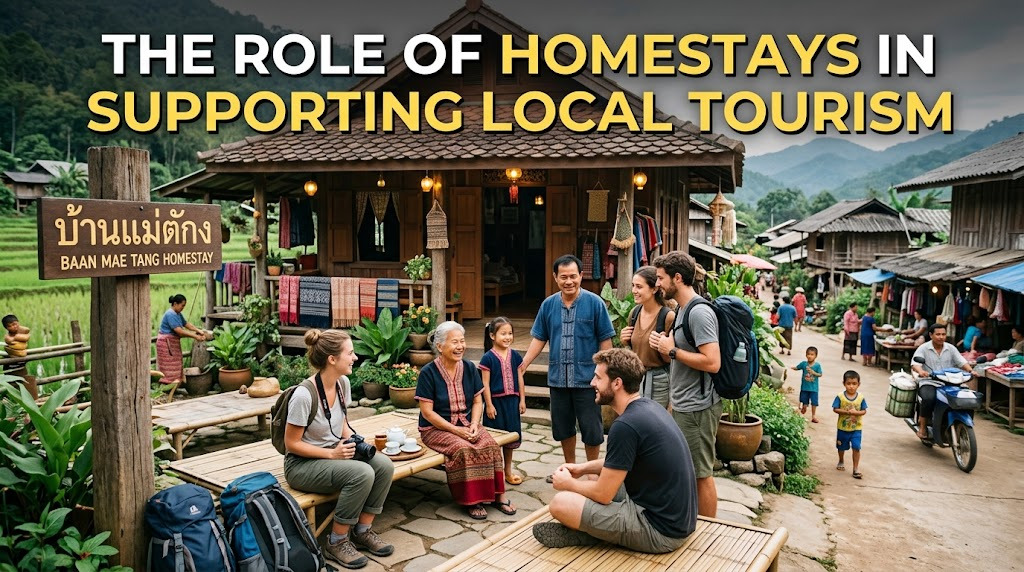
Homestays play an important role in supporting local tourism by providing travelers with accommodation that is often connected to residential communities. Unlike large accommodation businesses, homestays can involve local homeowners who use available rooms or properties to welcome visitors. This arrangement can create a closer relationship between tourism activity and the surrounding community. Travelers receive a place to stay, while local residents gain an opportunity to participate directly in the tourism sector. As a result, homestays can become an important part of a destination's local economy.
The development of homestays can also expand accommodation choices in areas where large hotels are limited. Rural destinations, villages, cultural areas, and smaller tourist communities may benefit from this model. Visitors can stay closer to local attractions while experiencing a more residential environment. This can encourage tourism activity to spread beyond major commercial areas. In the long term, community-based accommodation can contribute to more diverse and inclusive tourism development.
CREATING ECONOMIC OPPORTUNITIES FOR LOCAL COMMUNITIES
One of the most significant contributions of homestays is the potential to create local economic opportunities. Property owners can generate additional income by providing rooms or houses for travelers. The benefits may also extend to people who provide cleaning, maintenance, transportation, food, or other services. When tourism spending remains within the community, more residents can potentially benefit from visitor activity. This makes homestays relevant to the broader development of the local economy.
Homestays can also encourage residents to develop new skills related to hospitality and tourism services. Hosts may learn about customer service, online marketing, reservation management, communication, and property maintenance. These skills can improve the quality of accommodation while strengthening local participation in tourism. However, the economic impact depends on effective management and responsible tourism practices. Local communities should benefit without becoming overly dependent on tourism.
PROMOTING LOCAL CULTURE AND TRADITIONS
Homestays can provide travelers with opportunities to learn about local culture and traditions directly from the community. Hosts may introduce guests to regional food, customs, traditional activities, or stories about the area's history. This type of interaction can make a travel experience more meaningful than simply visiting popular attractions. Travelers can gain a better understanding of the destination through everyday community life.
At the same time, tourism can create greater interest in cultural preservation. Local food, crafts, traditional activities, and cultural knowledge may gain additional economic and social value when visitors appreciate them. However, cultural promotion should be carried out respectfully and without turning traditions into inaccurate or artificial experiences. Responsible hosts can help create meaningful cultural exchanges while protecting the identity of the local community.
SUPPORTING LOCAL BUSINESSES
The benefits of a homestay can extend beyond the property itself. Travelers who stay in local neighborhoods may purchase food from nearby restaurants, shop at local stores, use transportation services, or participate in activities provided by community businesses. This creates a wider tourism spending cycle within the destination. A successful homestay can therefore indirectly support businesses that are not directly involved in accommodation.
Hosts can strengthen this effect by recommending local businesses and community-based activities to their guests. For example, they may suggest locally owned restaurants, traditional markets, cultural attractions, or local guides. Such recommendations can help visitors discover less commercialized parts of the destination. When managed responsibly, this approach can distribute tourism benefits more broadly.
ENCOURAGING TOURISM IN LESSER-KNOWN DESTINATIONS
Homestays can help introduce travelers to lesser-known tourism destinations. Many visitors are interested in experiences outside crowded tourist centers, particularly when they want a quieter environment and closer contact with local communities. Homestays can provide accommodation in villages, residential neighborhoods, or rural areas where large hotels may not be available. This makes it easier for tourism to develop in destinations with limited conventional accommodation.
The growth of these properties can encourage improvements in local tourism infrastructure. Increased visitor activity may create demand for better transportation, communication services, cleanliness, and community facilities. However, development should be carefully managed to avoid excessive tourism pressure. Sustainable tourism planning is important to ensure that local resources and community life are protected.
BUILDING AUTHENTIC TRAVEL EXPERIENCES
Modern travelers increasingly seek authentic travel experiences rather than visiting destinations only for photographs. Homestays can respond to this demand by allowing visitors to experience a destination from a more local perspective. Guests may observe everyday routines, communicate with residents, and discover places that are not always included in conventional tourism packages. These experiences can create stronger connections between travelers and destinations.
Authenticity should still be balanced with guest comfort, safety, and privacy. Hosts need to provide suitable facilities and communicate clearly with visitors about expectations. Travelers should also respect local customs and the private nature of residential communities. When both sides understand their responsibilities, homestays can provide meaningful experiences without negatively affecting local life.
CONCLUSION
Homestays play an important role in supporting local tourism by connecting travelers with local communities and creating opportunities for residents to participate in the tourism economy. They can generate additional income, promote local culture, support nearby businesses, and encourage tourism development in lesser-known destinations. Homestays can also provide travelers with more authentic experiences while allowing them to discover everyday community life. Their impact can therefore extend beyond accommodation itself.
To maximize these benefits, homestays should be managed according to responsible and sustainable tourism principles. Local communities need to benefit economically while their culture, environment, privacy, and quality of life are respected. With good management and cooperation between hosts, travelers, businesses, and local authorities, community-based tourism can develop in a balanced way. Homestays can consequently become a valuable part of a strong, inclusive, and sustainable local tourism ecosystem.
About the Author
Gusti Ayu Tita P
Author — STEKOM University
An active author focused on academic issues, educational technology, and human resource development in the campus environment.