The Role Of Life Destiny In Shaping A Person Character
Gusti Ayu Tita P
9 September 2026
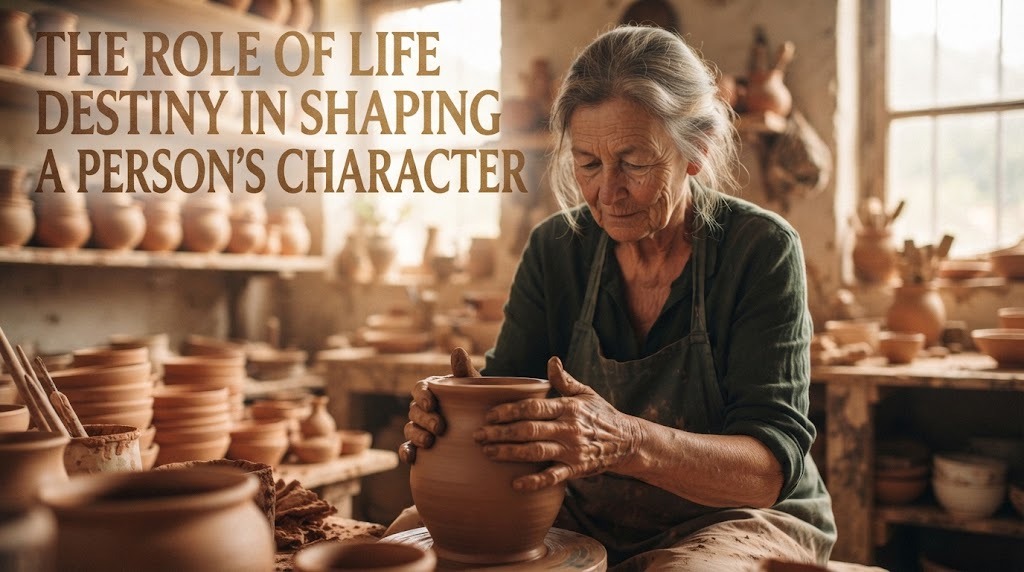
Every person develops a unique character through different experiences and circumstances. Family, education, relationships, environment, personal decisions, and difficult situations can all influence how someone thinks and behaves. The destiny of life can also be understood as part of the journey that exposes people to experiences that gradually shape their character. Although destiny may influence circumstances, a person's responses and choices remain important in determining who they become.
Character is not formed in a single moment. It develops gradually through repeated experiences, decisions, habits, and lessons. Difficult situations can test patience, responsibility, courage, and emotional control, while positive experiences can encourage gratitude, confidence, and kindness. Understanding this process can help people see their life journey as an opportunity for continuous personal development.
UNDERSTANDING LIFE DESTINY AND CHARACTER
Life destiny refers to the course of experiences and circumstances that occur throughout a person's life. Some events are influenced by personal choices, while others may happen unexpectedly and remain outside individual control. These experiences can expose people to different situations that influence their thoughts and behavior. Over time, repeated experiences can contribute to the development of a person's character.
However, destiny should not be considered the only factor that determines character. People still have the ability to choose how they respond to their circumstances. Two people can experience similar difficulties but develop different attitudes because they interpret and respond to those experiences differently.
EXPERIENCES HELP SHAPE PERSONAL VALUES
Values are an important part of character. Experiences can help people understand what they consider important, such as honesty, responsibility, respect, compassion, or independence. For example, working through a difficult situation may increase someone's appreciation for responsibility and preparation. Positive relationships can also teach the importance of trust and respect.
Personal values often become clearer through real experiences. People may understand the importance of honesty more deeply after seeing the consequences of dishonesty. In this way, everyday experiences can gradually influence the principles that guide future decisions.
DIFFICULTIES CAN BUILD RESILIENCE
Difficult situations often test a person's ability to continue despite pressure. Failure, disappointment, financial problems, academic challenges, or unexpected changes can create emotional stress. However, facing these situations can also teach people how to adapt and recover. Repeated challenges may gradually strengthen their ability to handle future problems.
Resilience develops through learning how to recover from setbacks. A resilient person can feel disappointed without allowing that feeling to completely control their actions. This ability can become an important part of a strong and mature character.
FAILURE TEACHES RESPONSIBILITY
Failure can provide important lessons about personal responsibility. When something does not go as planned, people can examine their decisions and identify what could have been done differently. This process encourages self-reflection and better decision making. It also helps individuals understand that mistakes can become opportunities for improvement.
Taking responsibility does not mean blaming yourself for everything. It means recognizing the areas that are within your control and learning from them. This attitude can develop greater maturity and encourage people to make more thoughtful choices in the future.
SUCCESS CAN TEST CHARACTER
Success can also influence character. When people achieve their goals, they may gain confidence and a stronger belief in their abilities. However, success can also create challenges if someone becomes arrogant or stops appreciating the support of others. Learning to remain humble and responsible is therefore important.
True character can be seen in how people behave after achieving success. A person who remains grateful, respectful, and willing to learn can use success in a positive way. Success should not become a reason to look down on others or stop developing.
RELATIONSHIPS INFLUENCE PERSONAL DEVELOPMENT
Relationships are an important part of character development. Family members, friends, teachers, colleagues, and mentors can influence how people communicate and respond to others. Healthy relationships can teach empathy, cooperation, patience, and respect. Unhealthy relationships can also provide lessons about boundaries and personal responsibility.
The people around us can influence our habits and attitudes. Choosing supportive relationships can encourage positive development, while learning to manage difficult relationships can strengthen emotional maturity. Social experiences therefore become an important part of a person's life journey.
CHANGES CAN CREATE PERSONAL GROWTH
Life changes can require people to adapt. Moving to a new environment, starting a new school, entering the workplace, or experiencing changes in relationships can create uncertainty. These situations may initially feel uncomfortable because familiar routines are no longer available. However, adapting to change can develop independence and flexibility.
Personal growth often happens when people leave their comfort zone. New situations require individuals to learn new skills and reconsider old habits. As a result, changes in life can contribute to greater confidence and maturity.
PATIENCE DEVELOPS THROUGH LONG PROCESSES
Some life goals require considerable time and repeated effort. People may need years to complete their education, establish a career, develop financial stability, or achieve personal goals. Waiting for results can test patience, especially when progress appears slow. This process can teach people to remain committed without expecting immediate rewards.
Patience is strengthened when people learn to respect gradual progress. Instead of focusing only on the final result, individuals can appreciate the lessons gained along the way. This mindset can help develop discipline and emotional stability.
CHOICES STILL MATTER IN LIFE
Although life circumstances can influence a person's journey, choices remain important. People decide how to respond to opportunities, problems, relationships, and unexpected events. These decisions can create habits that eventually influence character. Repeated responsible choices can strengthen positive qualities.
Character is shaped not only by what happens to us but also by what we choose to do afterward. A difficult situation may be unavoidable, but the response to that situation can often be improved. This gives people an active role in their own personal development.
LEARNING FROM OTHER PEOPLE
Other people's experiences can also provide valuable lessons. Observing how someone handles success, failure, conflict, or responsibility can influence our understanding of good character. Mentors and role models can demonstrate qualities such as discipline, kindness, courage, and honesty. These examples can inspire people to improve their own behavior.
However, people should not copy others without considering their own circumstances. The best lesson is often the principle behind someone's behavior rather than the behavior itself. Individuals can adapt useful lessons to their own values and situations.
DEVELOPING SELF AWARENESS
Self-awareness helps people understand how experiences affect their thoughts, emotions, and behavior. Without self-awareness, someone may repeatedly make the same mistakes without understanding the cause. Reflection allows individuals to recognize strengths, weaknesses, values, and habits. This understanding can support more intentional personal development.
Knowing yourself makes it easier to improve yourself. People can reflect on questions such as how they respond to pressure, how they treat others, and what values guide their decisions. Regular reflection can gradually strengthen emotional maturity and responsible behavior.
TURNING LIFE EXPERIENCES INTO WISDOM
Experience becomes more meaningful when people learn from it. A difficult event may teach patience, while a successful experience may teach responsibility. Over time, these lessons can influence how people approach similar situations. This process can transform experiences into practical wisdom.
Wisdom is not simply having many experiences but understanding what those experiences can teach. People who reflect on their past can make better decisions without allowing the past to control their future. In this way, life's journey can continuously contribute to character development.
BUILDING A STRONGER CHARACTER FOR THE FUTURE
Character continues to develop throughout life. There is always an opportunity to improve communication, discipline, empathy, responsibility, and emotional control. New experiences can reveal areas that still need attention. Personal development is therefore a continuous process rather than a finished achievement.
A strong character is built through consistent choices and meaningful lessons. People can become better by accepting responsibility, learning from mistakes, treating others respectfully, and remaining open to change. These qualities can help them face future challenges with greater confidence.
CONCLUSION
The destiny of life can play an important role in shaping a person's character by providing different experiences, challenges, opportunities, and changes. These experiences can teach valuable qualities such as patience, resilience, responsibility, empathy, and adaptability. However, destiny does not completely determine who a person becomes because individual choices and responses remain important.
Every experience can become part of personal growth when approached with reflection and an open mind. Success can teach gratitude, failure can teach responsibility, and challenges can build resilience. A person's character is gradually shaped by both what happens in life and how they choose to respond to it.
About the Author
Gusti Ayu Tita P
Author — STEKOM University
An active author focused on academic issues, educational technology, and human resource development in the campus environment.