
The Role Of Mayors In Improving Community Welfare
Gusti Ayu Tita P
12 Agustus 2026
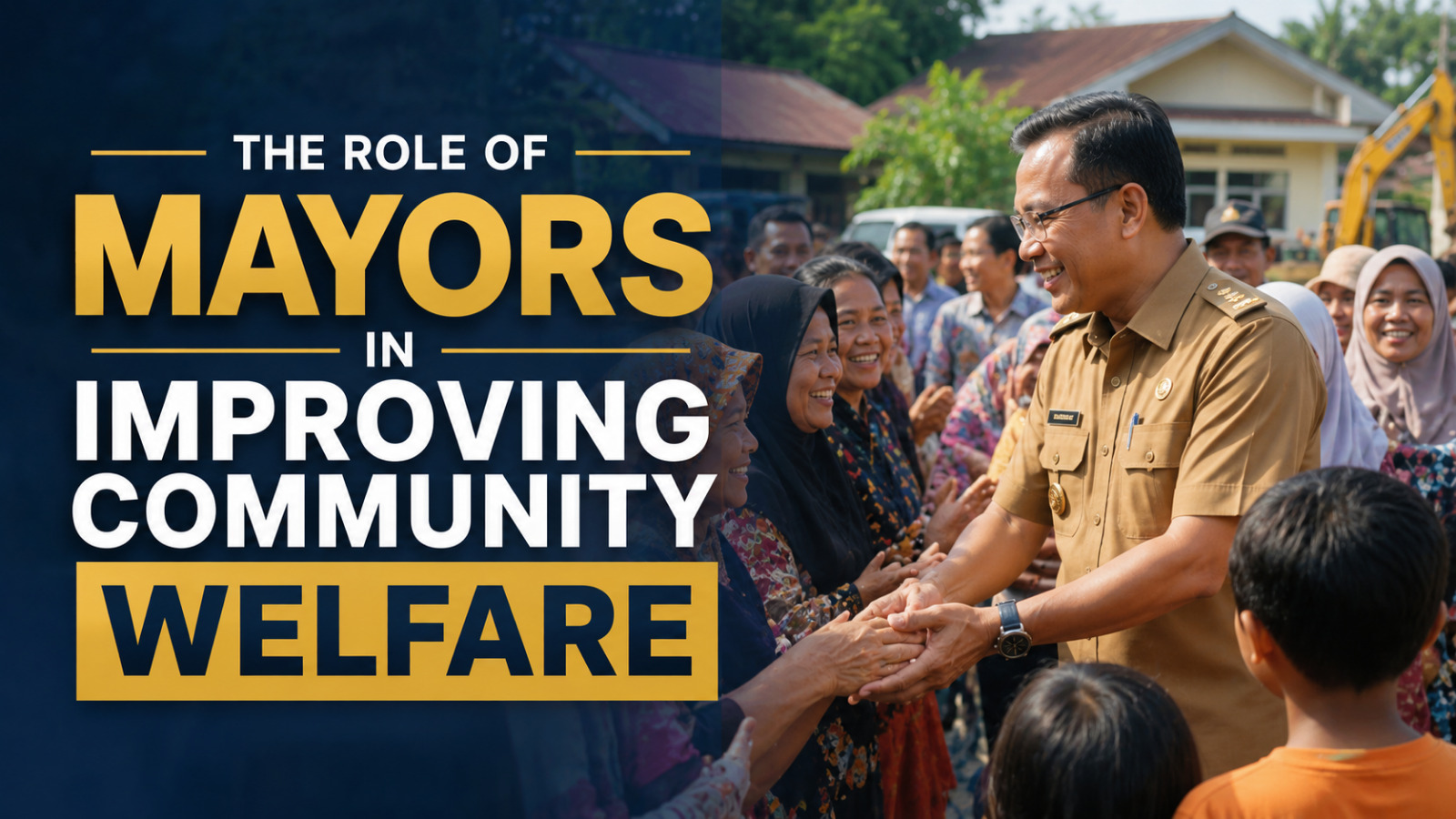
Improving community welfare is one of the most important responsibilities of a mayor. Local government decisions can directly influence people's access to public services, employment opportunities, education, infrastructure, and social support. A mayor therefore needs to understand the real conditions experienced by residents before establishing development programs.
Community Welfare cannot be improved through a single policy. It requires coordinated action across different sectors and continuous evaluation. A successful mayor should combine effective leadership with public participation, responsible budgeting, and programs that address both immediate needs and long-term development.
IMPROVING PUBLIC SERVICES
One of the clearest ways a mayor can improve community welfare is by strengthening Public Services. Residents need reliable access to administrative services, sanitation, transportation, public facilities, and other essential local services. A mayor should ensure that these services are accessible, efficient, and responsive to community needs.
Service quality should be evaluated regularly. Feedback from residents can help local governments identify delays, complicated procedures, or unequal access. Digital services can improve efficiency, but offline options should remain available for people who face difficulties using technology. Inclusive Services help ensure that modernization benefits different groups of residents.
SUPPORTING EDUCATION AND SKILLS
Education plays an important role in improving people's long-term opportunities. Mayors can support local educational development through appropriate programs, partnerships, facilities, and community initiatives. Education Support can help children and young people develop knowledge and skills needed for further study and future employment.
Local governments can also encourage training programs for adults and workers. Skills development can help residents adapt to changes in the labor market and increase their ability to find or create employment. Cooperation with educational institutions, businesses, and community organizations can make these programs more relevant to local needs.
CREATING ECONOMIC OPPORTUNITIES
Economic opportunity is closely connected to community welfare. A mayor can support Local Employment by creating an environment where businesses, entrepreneurs, and small enterprises can grow responsibly. Better infrastructure, appropriate administrative support, business training, and access to information can help local economic activities become more productive.
Small and medium-sized businesses are particularly important in many communities because they can provide employment and generate local economic activity. Mayors can encourage partnerships and programs that help local entrepreneurs improve their skills and market access. Economic policies should also consider environmental sustainability and social inclusion.
DEVELOPING SAFE AND HEALTHY COMMUNITIES
Residents need safe and healthy environments to enjoy a good quality of life. Mayors can support public safety through appropriate urban planning, infrastructure improvements, emergency preparedness, and cooperation with relevant authorities. Community Safety should be considered when designing roads, public spaces, transportation systems, and residential areas.
Health is another important part of welfare. Local governments can support preventive health initiatives, sanitation, clean environments, and access to appropriate community health services within their responsibilities. Programs should focus not only on responding to problems but also on reducing preventable risks. A healthier community can be more productive and resilient.
SUPPORTING VULNERABLE GROUPS
Some residents face greater barriers to accessing employment, services, housing, education, or other opportunities. A mayor should ensure that local programs consider the needs of Vulnerable Groups without creating unnecessary exclusion. Policies can be designed to improve accessibility and provide appropriate support according to local conditions and legal responsibilities.
Effective social programs require accurate information and proper targeting. Local governments should monitor whether assistance reaches the intended beneficiaries and whether it produces meaningful results. Transparency and accountability are important to prevent resources from being misused. A fair approach can strengthen social cohesion within the community.
ENCOURAGING PUBLIC PARTICIPATION
Community welfare programs are more effective when residents have opportunities to participate. A mayor can organize consultations, community meetings, surveys, and other appropriate forums to understand public priorities. Public Participation allows residents to contribute local knowledge that government officials may not have.
Participation can also build a stronger relationship between the government and the community. Residents are more likely to understand and support programs when they have opportunities to express concerns and receive clear explanations. However, public participation should be followed by transparent communication about how community input influences decisions.
MANAGING PUBLIC RESOURCES RESPONSIBLY
Improving welfare requires responsible management of government resources. A mayor should ensure that Public Resources are allocated according to clear priorities and public needs. Budget decisions should consider both immediate problems and long-term benefits.
Monitoring and evaluation are essential to determine whether government spending produces meaningful outcomes. Programs that do not achieve their objectives should be reviewed and improved. Responsible resource management helps local governments deliver better results while maintaining public trust.
CONCLUSION
Mayors have a significant role in improving Community Welfare through better public services, education support, economic opportunities, community safety, and inclusive policies. Strong results require more than government programs because cooperation with residents, businesses, educational institutions, and community organizations is also essential.
A successful mayor should focus on policies that create equal opportunities, accessible services, responsible development, and sustainable improvements. By listening to residents, managing resources responsibly, and evaluating programs consistently, local government can contribute to a safer, healthier, and more prosperous community.
About the Author
Gusti Ayu Tita P
Author — STEKOM University
An active author focused on academic issues, educational technology, and human resource development in the campus environment.















