The Role of National Songs in Building Love for the Homeland
Gusti Ayu Tita P
5 Agustus 2026
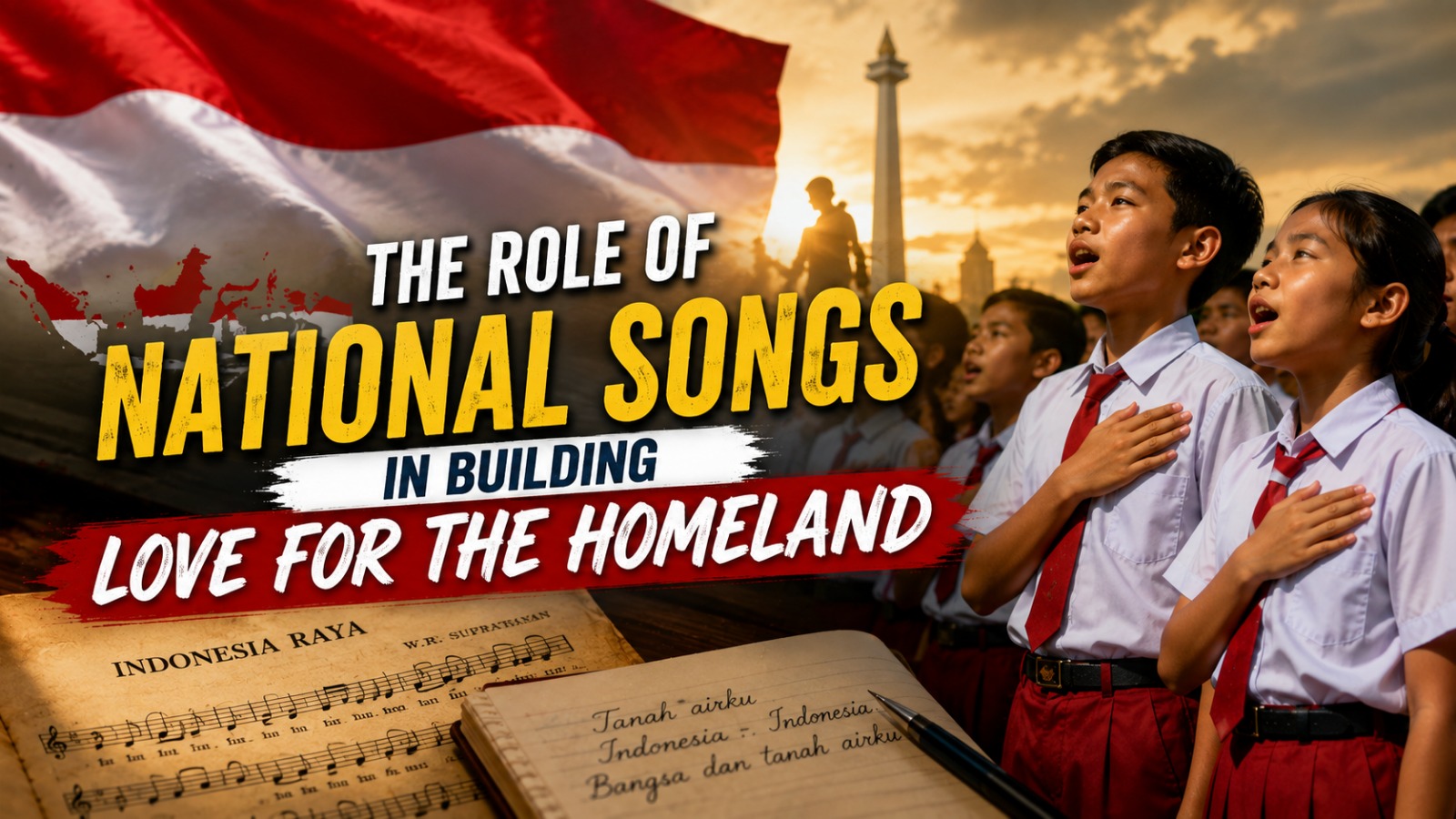
National songs are an essential part of every country's cultural heritage. They carry messages of patriotism, unity, courage, and national pride, helping people develop a strong emotional connection with their homeland. In Indonesia, national songs have been passed down through generations as symbols of the nation's struggle for independence and commitment to preserving freedom.
Today, national songs remain relevant despite rapid technological and cultural changes. They continue to inspire citizens to appreciate their country's history, respect national heroes, and strengthen their sense of belonging. Understanding the role of national songs in building love for the homeland is important for preserving national identity and passing valuable traditions to future generations.
THE HISTORICAL SIGNIFICANCE OF NATIONAL SONGS
The history of national songs is closely connected to the struggle for independence and national unity. Many patriotic songs were written during difficult periods to inspire hope and encourage people to stand together against oppression. Their powerful melodies and meaningful lyrics became symbols of resilience and determination.
After independence, these songs continued to unite people from different backgrounds. They reminded citizens that freedom was achieved through sacrifice and cooperation. As a result, national songs became an important part of national ceremonies, educational programs, and cultural celebrations across the country.
HOW NATIONAL SONGS STRENGTHEN PATRIOTISM?
One of the greatest contributions of national songs is their ability to build patriotism among citizens. The lyrics encourage listeners to respect their nation, protect its values, and contribute positively to society. Singing these songs regularly reinforces feelings of pride and responsibility toward the homeland.
National songs also create emotional connections between individuals and their country's history. They remind people of the sacrifices made by previous generations and inspire them to continue preserving national unity. These emotional values make national songs an effective tool for strengthening patriotism in every generation.
THE ROLE OF NATIONAL SONGS IN CHARACTER EDUCATION
Schools play a significant role in introducing national songs to young learners. Students are encouraged not only to memorize the lyrics but also to understand the historical background and moral values contained in each song. This learning process helps develop discipline, respect, responsibility, and national awareness.
In addition, singing national songs during school ceremonies creates a sense of togetherness among students. They learn the importance of respecting diversity while remaining united as one nation. Through continuous practice, national songs become an effective medium for character development.
PRESERVING NATIONAL SONGS IN THE DIGITAL ERA
The digital era provides many opportunities to preserve national songs through modern technology. Music streaming platforms, educational websites, social media, and online learning applications make these songs easier to access than ever before. Digital content also helps introduce patriotic music to younger audiences in creative ways.
Communities, educators, and content creators can collaborate to produce engaging educational materials about national songs. Videos, documentaries, podcasts, and interactive learning platforms can increase public interest while maintaining the authenticity of these cultural treasures. Technology therefore becomes an important partner in cultural preservation.
THE RESPONSIBILITY OF THE YOUNGER GENERATION
Young people play a vital role in ensuring that national songs continue to inspire future generations. They can actively participate in cultural events, music performances, school competitions, and digital campaigns that promote patriotic values. These activities help keep national songs relevant in today's society.
The younger generation can also use social media to introduce national songs to wider audiences. By sharing educational and creative content, they contribute to preserving Indonesia's cultural heritage while encouraging others to appreciate its historical significance. Their active involvement will determine how these songs are remembered in the future.
WHY NATIONAL SONGS REMAIN RELEVANT TODAY?
Although musical trends continue to evolve, national songs still hold significant value in modern society. Their messages of unity, peace, respect, and love for the homeland remain meaningful regardless of changing times. These universal values continue to inspire individuals to become responsible citizens.
Furthermore, national songs serve as reminders that cultural identity should never be forgotten. By preserving and celebrating these songs, society protects an important part of its history while strengthening national solidarity. This makes national songs an enduring symbol of patriotism and national pride.
CONCLUSION
The role of national songs in building love for the homeland remains highly significant in today's world. These songs preserve historical memories, strengthen patriotism, and encourage citizens to appreciate their nation's cultural heritage. They continue to unite people through shared values of freedom, respect, unity, and national pride.
By combining education, community participation, and digital innovation, national songs can continue inspiring future generations. Protecting these musical treasures means preserving the spirit of the nation and ensuring that the love for the homeland remains strong for years to come.
About the Author
Gusti Ayu Tita P
Author — STEKOM University
An active author focused on academic issues, educational technology, and human resource development in the campus environment.