
The Role Of Open Communication In Overcoming Family Conflict
Gusti Ayu Tita P
8 September 2026
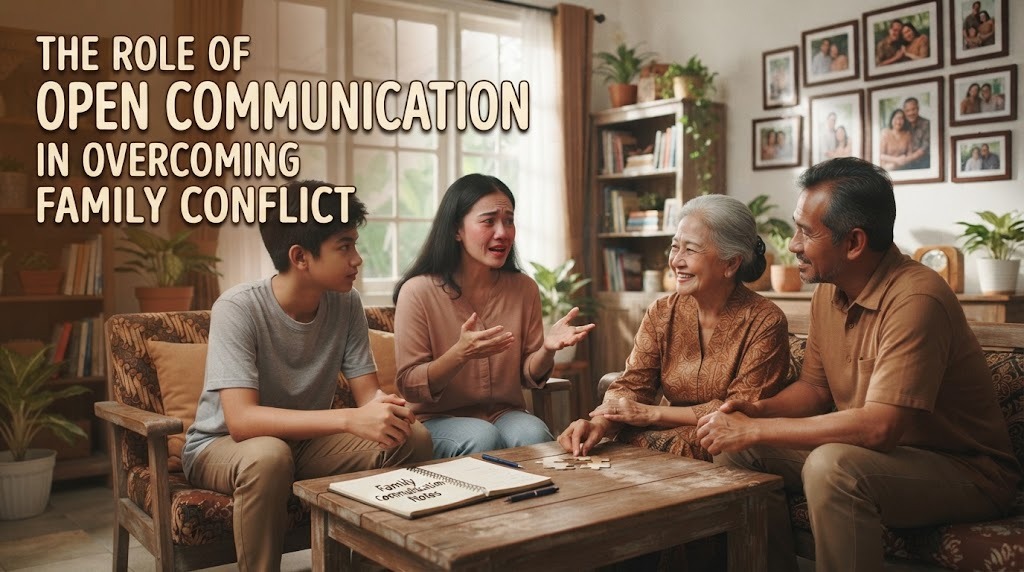
Family conflict can happen when members have different opinions, expectations, needs, or ways of responding to problems. Small misunderstandings may become serious disagreements when people choose to stay silent or communicate with anger. Open communication gives family members an opportunity to express their thoughts and feelings honestly while listening to others. It can reduce misunderstandings and make difficult conversations easier to manage. With healthy and respectful communication, families can work through problems without unnecessarily damaging their relationships.
UNDERSTANDING THE MEANING OF OPEN COMMUNICATION
Open communication means being willing to share thoughts, feelings, concerns, and expectations honestly and respectfully. It does not mean saying everything without considering how the words may affect others. Family members should be able to communicate without immediately feeling judged, ignored, or attacked. This creates an environment where people feel safer discussing difficult subjects. When communication becomes more open, family members have a better chance of understanding the real causes of conflict.
REDUCING MISUNDERSTANDINGS
Many family conflicts begin because people misunderstand words, actions, or intentions. Someone may assume that another family member is angry or uncaring without knowing the real reason behind their behavior. Open communication helps clarify information before assumptions become larger problems. Asking questions and explaining intentions can prevent unnecessary arguments. Clear communication also allows family members to correct misunderstandings before they damage trust.
ENCOURAGING FAMILY MEMBERS TO EXPRESS FEELINGS
People may sometimes hide their emotions because they are afraid of being criticized or causing another argument. Keeping feelings inside for too long can create frustration and emotional distance. Open communication encourages family members to express their feelings in a calm and appropriate way. They can explain whether they feel hurt, worried, disappointed, or misunderstood without attacking another person. When emotions are communicated clearly, other family members have a better opportunity to respond with empathy.
LISTENING WITHOUT IMMEDIATELY JUDGING
Communication is not only about speaking but also about listening carefully. During family conflict, each person should have enough time to explain their perspective without unnecessary interruptions. Active listening helps family members understand the feelings and needs behind someone's words. Listening does not require agreeing with every opinion. It simply shows respect and creates an opportunity to understand the situation before responding.
BUILDING TRUST BETWEEN FAMILY MEMBERS
Trust is an important foundation of a healthy family relationship. When people can discuss their concerns honestly, they are more likely to feel valued and respected. Consistent and honest communication can gradually strengthen trust between family members. Trust also grows when people keep their promises and respond to sensitive conversations responsibly. A stronger sense of trust makes it easier to discuss future problems without immediately becoming defensive.
USING CALM LANGUAGE DURING CONFLICT
The choice of words can strongly influence the direction of a disagreement. Shouting, insults, threats, and personal attacks can make family members defensive and increase emotional tension. Instead, people can use calm, specific, and respectful language to explain what happened and how they feel. Focusing on a particular behavior or situation is generally more constructive than attacking someone's personality. Calm communication makes it easier for everyone to focus on solving the problem.
FINDING SOLUTIONS TOGETHER
Open communication can turn a disagreement into an opportunity to find a solution together. Family members can discuss what each person needs and identify areas where they can compromise. Shared problem solving helps prevent one person from feeling that their opinion is completely ignored. The final solution should be realistic and consider the needs of everyone involved. Working together can also create a stronger sense of responsibility for maintaining the agreement.
PREVENTING SMALL PROBLEMS FROM BECOMING BIGGER
Not every family problem needs to become a serious conflict. Addressing concerns early can prevent frustration from building up over time. Family members can have regular conversations about responsibilities, expectations, and problems before they become difficult to manage. Early communication allows small issues to be discussed while emotions are still under control. This habit can contribute to a more peaceful and cooperative family environment.
KNOWING WHEN TO TAKE A BREAK
Although open communication is important, difficult conversations should not always continue when emotions are extremely intense. Taking a short break can help family members calm down and think more clearly. A break should not be used to avoid the problem permanently, but to create space for emotional control. The conversation can continue when everyone is ready to listen and communicate respectfully. This approach can prevent temporary anger from causing long-term damage to family relationships.
CONCLUSION
Open communication plays an important role in overcoming family conflict because it helps people express their feelings, clarify misunderstandings, and understand different perspectives. Active listening, calm language, honesty, and empathy can make difficult conversations more productive. Families can also use open communication to build trust, solve problems together, and prevent small disagreements from becoming larger conflicts. Taking a short break when emotions become intense can further protect the relationship. By making respectful and honest communication a regular habit, families can create stronger, healthier, and more harmonious relationships.
About the Author
Gusti Ayu Tita P
Author — STEKOM University
An active author focused on academic issues, educational technology, and human resource development in the campus environment.















