The Role of Parents in Supervising Teenager's Social Media Use
Gusti Ayu Tita P
27 Juni 2026
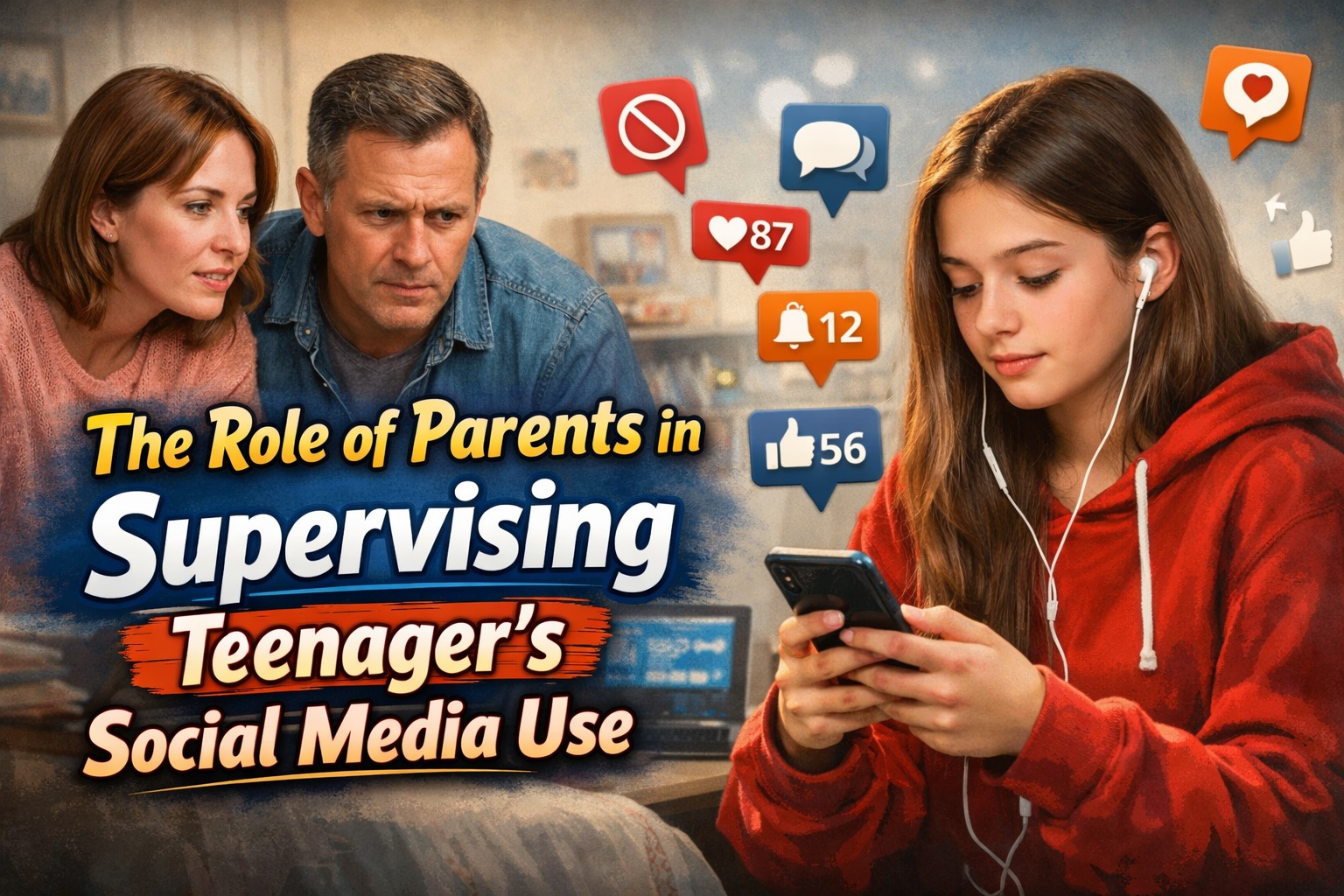
Social media has become an important part of modern teenagers' daily lives. Platforms such as Instagram, TikTok, YouTube, and Facebook allow young people to communicate, learn new things, and express themselves creatively. However, excessive or uncontrolled use of social media can expose teenagers to various risks, including cyberbullying, misinformation, privacy issues, and mental health challenges. This is why parents play a crucial role in guiding and supervising their children's online activities.
Parental supervision does not mean controlling every aspect of a teenager's life. Instead, it involves providing guidance, setting healthy boundaries, and helping teenagers develop responsible digital habits. With the right approach, parents can support their children in enjoying the benefits of social media while avoiding its potential dangers.
WHY PARENTAL SUPERVISION IS IMPORTANT
Teenagers are often curious and eager to explore the online world. While this curiosity can help them learn and grow, it can also make them vulnerable to inappropriate content, online predators, and harmful trends. Parental supervision helps teenagers navigate social media safely and make informed decisions about what they see and share online.
In addition, social media can significantly influence a teenager's emotions and self-esteem. Constant exposure to unrealistic lifestyles and beauty standards may lead to feelings of insecurity or anxiety. Parents who actively monitor and discuss social media content can help teenagers maintain a healthy perspective and build confidence in themselves.
BUILDING OPEN COMMUNICATION WITH TEENAGERS
One of the most effective ways to supervise social media use is through open and honest communication. Teenagers are more likely to share their online experiences when they feel understood rather than judged. Parents should encourage conversations about the apps their children use, the people they interact with, and the content they consume.
Creating a supportive environment allows teenagers to seek help when they encounter problems online. Regular discussions about online safety, privacy, and respectful behavior can strengthen trust between parents and children. This trust is essential for effective supervision and long-term digital responsibility.
SETTING HEALTHY SOCIAL MEDIA BOUNDARIES
Establishing clear rules regarding social media use can help teenagers develop balanced online habits. Parents should discuss reasonable screen time limits, appropriate online behavior, and the importance of prioritizing schoolwork, family activities, and sleep. Clear expectations help teenagers understand the responsibilities that come with using social media.
It is also beneficial to create technology-free periods during the day, such as during meals or before bedtime. Limiting excessive screen exposure can improve concentration, sleep quality, and overall well-being. Consistent rules applied fairly can encourage healthier digital lifestyles for the entire family.
TEACHING DIGITAL SAFETY AND PRIVACY
Digital safety education is a fundamental aspect of parental supervision. Teenagers should understand the importance of protecting personal information, using strong passwords, and avoiding suspicious links or messages. Parents can teach practical cybersecurity habits that reduce the risk of online scams and identity theft.
Furthermore, teenagers need to understand that anything shared online can have long-term consequences. Photos, videos, and comments may remain accessible even after deletion. Teaching responsible online behavior helps teenagers protect their reputation and make thoughtful decisions before posting content.
RECOGNIZING WARNING SIGNS OF SOCIAL MEDIA PROBLEMS
Parents should pay attention to behavioral changes that may indicate negative experiences on social media. Signs such as withdrawal from family activities, sudden mood swings, sleep disturbances, or declining academic performance may suggest online-related issues. Early recognition allows parents to address problems before they become more serious.
Cyberbullying is another concern that requires close attention. Teenagers who experience online harassment may feel embarrassed or afraid to speak up. Parents should create a safe space where children feel comfortable reporting negative experiences without fear of punishment or criticism.
ENCOURAGING POSITIVE ONLINE EXPERIENCES
Social media is not inherently harmful when used responsibly. Many platforms offer educational resources, opportunities for creativity, and ways to build positive communities. Parents can encourage teenagers to follow educational accounts, participate in constructive discussions, and use social media for personal growth.
Supporting positive online engagement helps teenagers develop critical thinking skills and responsible digital citizenship. When parents actively guide their children's online activities, social media can become a valuable tool for learning, communication, and self-development.
CONCLUSION
The role of parents in supervising teenager's social media use is more important than ever in today's digital age. Through open communication, healthy boundaries, digital safety education, and active involvement, parents can help teenagers navigate social media responsibly. Effective supervision is not about restriction alone but about guidance, support, and trust. By working together, parents and teenagers can create a safer and more positive online environment that promotes healthy development and responsible digital behavior.
About the Author
Gusti Ayu Tita P
Author — STEKOM University
An active author focused on academic issues, educational technology, and human resource development in the campus environment.