
The Role of Ports in Improving Regional Economic Growth
Gusti Ayu Tita P
10 Agustus 2026
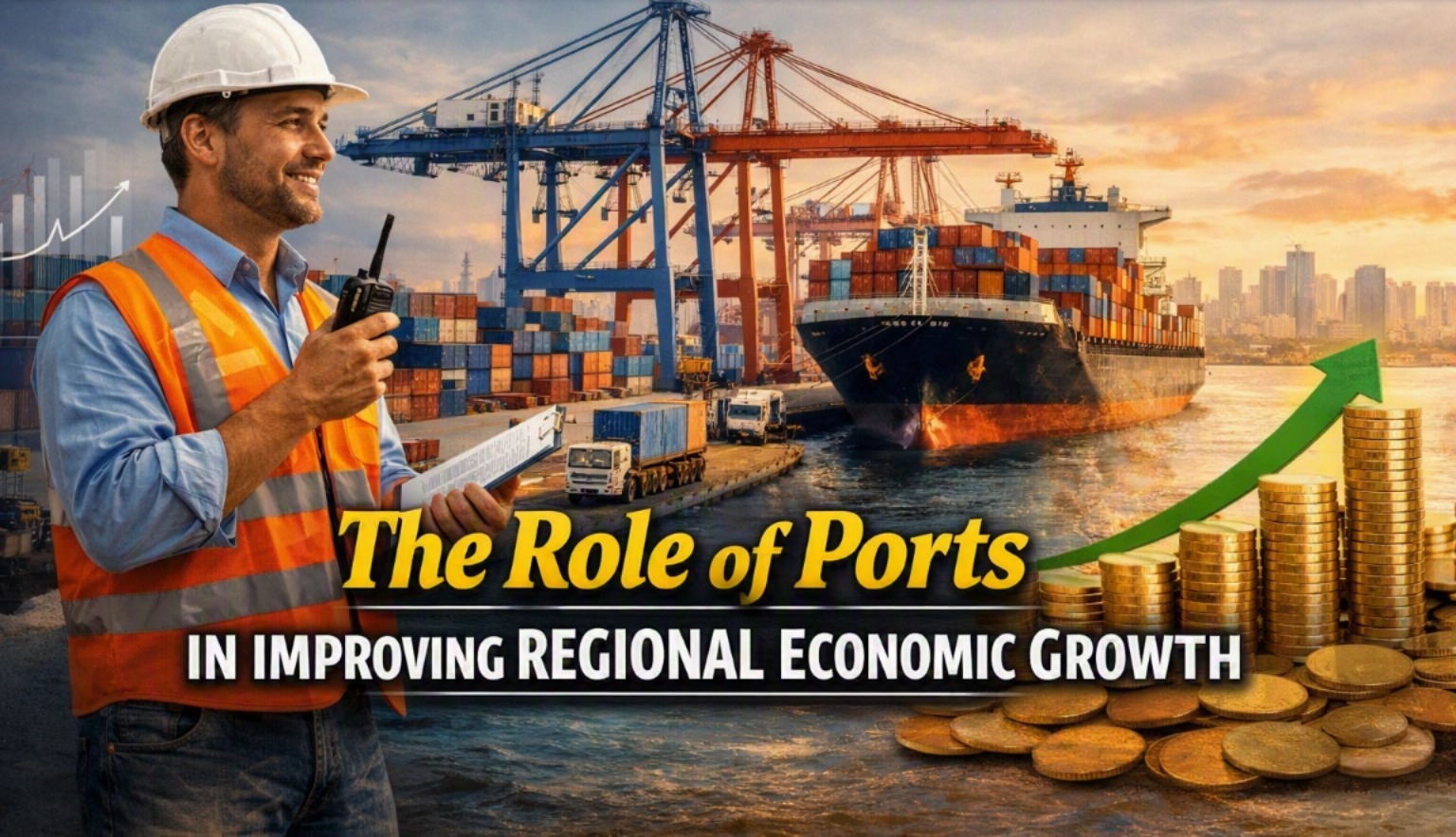
Ports are an important part of the economic system because they connect regions with national and international markets. Through ports, goods can move from producers to consumers more efficiently, while businesses can access wider markets. A well-managed port can also support industries, create jobs, and encourage new investment in surrounding areas. For regions with strong maritime potential, ports can become a major driver of regional economic growth.
The role of ports is not limited to loading and unloading goods from ships. Modern ports are connected to logistics networks, transportation systems, warehouses, industrial areas, and trade services. When these systems work efficiently, businesses can reduce transportation costs and improve the speed of distribution. As a result, ports can contribute to stronger local economies and improve the competitiveness of a region.
CONNECTING REGIONAL MARKETS
Ports help connect local and regional producers with larger domestic and international markets. Agricultural products, manufactured goods, fisheries, and other commodities can be transported through ports to different destinations. This wider market access gives local businesses more opportunities to increase sales and expand their customer base. It also allows regions to receive products that may not be available locally.
Efficient port connections can make trade more reliable and predictable. Businesses can plan production and distribution more effectively when transportation services operate regularly. Better connectivity also helps reduce delays that could increase the cost of moving goods. Therefore, ports can strengthen the relationship between regional production and market demand.
SUPPORTING LOCAL BUSINESS GROWTH
Ports can provide important opportunities for small businesses and large companies in nearby areas. Businesses involved in trading, logistics, warehousing, transportation, packaging, and distribution can benefit from increased activity around a port. Local producers may also find it easier to sell their products outside their region. This creates opportunities for businesses to increase their production and develop new markets.
The growth of port-related business can create a wider economic ecosystem. For example, restaurants, accommodation providers, repair services, trucking companies, and other supporting businesses may experience higher demand. When local businesses grow together, economic activity can spread beyond the port itself. This makes ports an important foundation for sustainable regional business development.
CREATING EMPLOYMENT OPPORTUNITIES
Port development can create direct and indirect employment opportunities. Direct jobs may include port operators, cargo handlers, equipment technicians, administrative staff, and safety personnel. Indirect employment can develop in trucking, warehousing, shipping services, manufacturing, retail, and other supporting industries. The wider the port's economic network, the greater its potential impact on employment.
New employment opportunities can improve household incomes and support local economic activity. Workers who receive stable incomes are able to spend more on goods and services in their communities. This can increase demand for local businesses and encourage further business development. As a result, port activities can create a multiplier effect across the regional economy.
ATTRACTING INVESTMENT AND INDUSTRIAL DEVELOPMENT
A well-connected port can make a region more attractive to investors and industrial companies. Businesses often consider transportation access when deciding where to build factories, warehouses, distribution centers, and processing facilities. A port that provides efficient cargo services can help companies manage the movement of raw materials and finished products. This can make the surrounding area more competitive as an investment destination.
Port development can also encourage the creation of industrial clusters near transportation facilities. Manufacturers and logistics companies may choose locations close to ports to reduce transportation distances and improve supply chain efficiency. New investments can generate employment, increase local business activity, and expand the regional tax base. However, investment benefits are strongest when port development is supported by good infrastructure, skilled workers, and effective public services.
IMPROVING LOGISTICS EFFICIENCY
Ports play a major role in improving logistics efficiency by connecting sea transportation with roads, railways, warehouses, and other distribution systems. Efficient connections can reduce unnecessary handling and shorten the time required to move goods. This is especially important for businesses that depend on regular deliveries of raw materials or finished products. Better logistics can also help companies control transportation and inventory costs.
Technology has become increasingly important in modern port operations. Digital tracking, automated systems, electronic documentation, and data-based management can improve visibility and reduce administrative delays. When cargo information can be processed accurately and quickly, businesses can make better decisions about transportation and inventory. These improvements can strengthen the overall competitiveness of the regional economy.
STRENGTHENING REGIONAL COMPETITIVENESS
Regions with efficient ports can have an advantage in attracting businesses and participating in domestic and global trade. Lower logistics costs and reliable transportation can make locally produced goods more competitive. Producers can reach customers more efficiently while companies can obtain raw materials from wider markets. This can encourage regional industries to improve their productivity and product quality.
Strong port infrastructure can also support economic diversification. A region does not have to depend on only one economic sector when better transportation creates opportunities for manufacturing, agriculture, fisheries, tourism, and trade. Economic diversification can make regional economies more resilient when certain industries face market changes. In this way, ports can contribute not only to economic growth but also to long-term regional stability.
SUPPORTING GOVERNMENT REVENUE AND PUBLIC DEVELOPMENT
Increasing economic activity around ports can contribute to government revenue through taxes, fees, business activity, and other legitimate sources. Higher economic activity can provide governments with greater capacity to invest in public infrastructure and services. Roads, utilities, education, and other facilities can benefit when regional economic conditions improve. However, the exact fiscal impact depends on national and local regulations and the structure of port operations.
Public investment also plays an important role in maximizing the economic benefits of ports. Governments need to ensure that port infrastructure is connected to reliable roads, railways, energy systems, and digital networks. Good planning can help prevent congestion and reduce negative impacts on surrounding communities. Therefore, port development and regional planning should be managed as part of a broader economic strategy.
PROMOTING SUSTAINABLE REGIONAL DEVELOPMENT
Economic growth from port activities should be balanced with environmental and social considerations. Port operations can affect air quality, water quality, traffic, coastal ecosystems, and nearby communities if they are not managed properly. Modern port development therefore needs effective environmental standards, waste management, energy efficiency, and pollution control. Sustainable practices can help ensure that economic benefits continue over the long term.
Ports can also adopt cleaner technologies and improve operational efficiency to reduce their environmental impact. Better planning can help separate heavy transportation routes from residential areas and reduce unnecessary congestion. Community involvement is also important so that local residents can understand the benefits and potential impacts of port development. A sustainable approach can help create a stronger balance between economic growth, environmental protection, and community welfare.
CONCLUSION
Ports have a significant role in improving regional economic growth by connecting markets, supporting businesses, creating employment, attracting investment, and strengthening logistics systems. Their benefits can extend far beyond the port area because many industries and services depend on efficient transportation networks. When ports are supported by good infrastructure, technology, skilled workers, and effective policies, they can improve the competitiveness of an entire region.
However, successful port development requires more than building larger facilities. It needs integrated planning, efficient logistics, sustainable operations, and strong cooperation between governments and businesses. With the right strategy, ports can become important economic gateways that support trade, encourage investment, and create long-term opportunities for regional communities.
About the Author
Gusti Ayu Tita P
Author — STEKOM University
An active author focused on academic issues, educational technology, and human resource development in the campus environment.















