The Role of the Ministry of Public Works in Building National Infrastructure
Gusti Ayu Tita P
30 Juli 2026
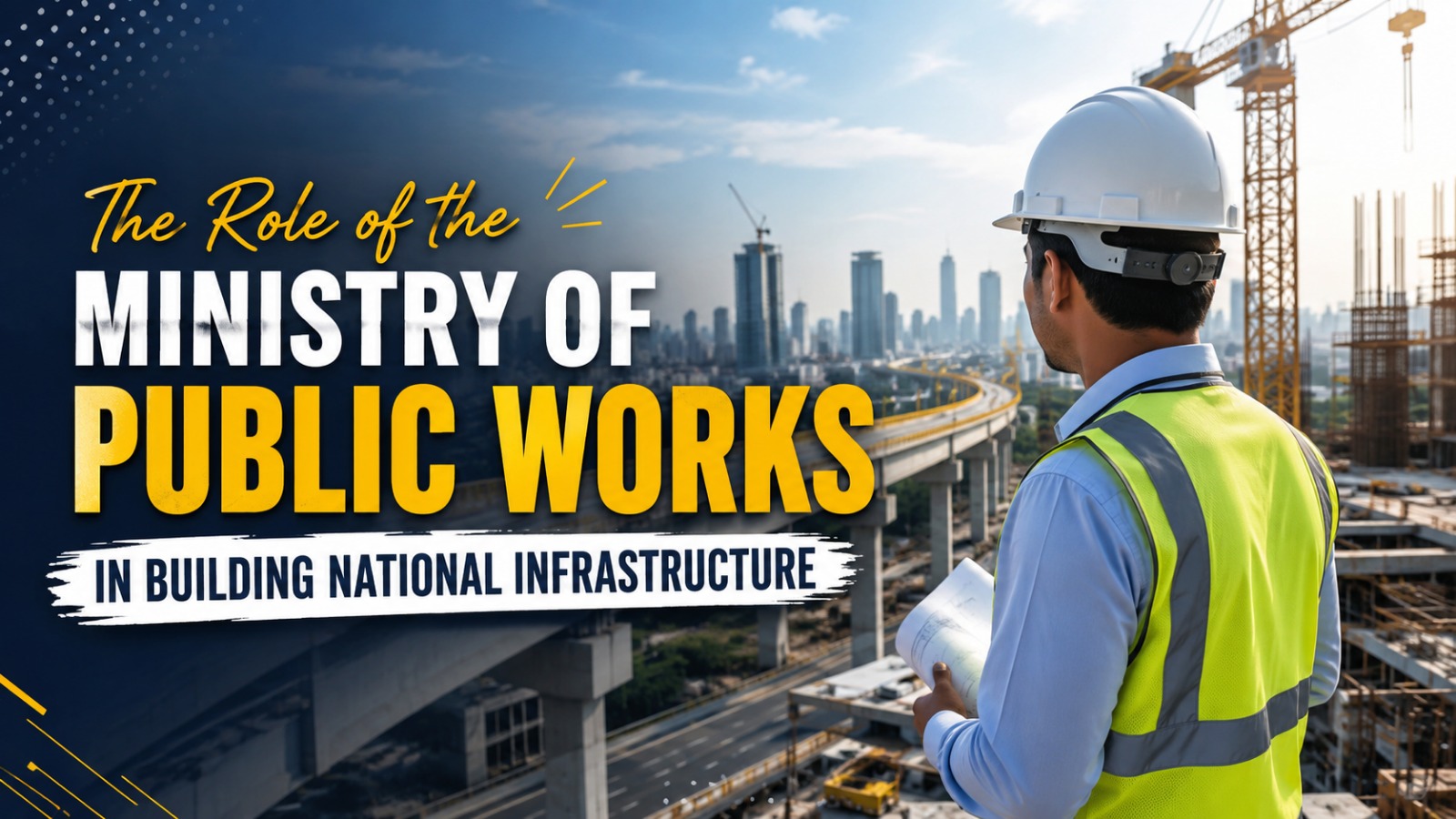
The Ministry of Public Works plays a vital role in supporting a country's economic growth and improving the quality of life for its citizens. Through the planning, construction, and maintenance of infrastructure, the ministry helps create better connectivity between regions and provides essential public facilities. Roads, bridges, dams, irrigation systems, and public buildings are examples of infrastructure that directly impact daily life. Well-developed infrastructure also encourages investment, business expansion, and job creation. As a result, the Ministry of Public Works is one of the key institutions driving sustainable national development.
UNDERSTANDING THE ROLE OF THE MINISTRY OF PUBLIC WORKS
The Ministry of Public Works is responsible for developing and maintaining public infrastructure that supports economic activities and community welfare. Its duties include planning infrastructure projects, supervising construction standards, and ensuring that public facilities are safe and functional. The ministry also collaborates with local governments and private sectors to accelerate infrastructure development across different regions.
Beyond construction, the ministry focuses on long-term infrastructure sustainability. It evaluates existing facilities, performs regular maintenance, and develops strategies to improve infrastructure resilience against natural disasters and climate change. These responsibilities ensure that public assets continue serving communities efficiently for many years.
THE IMPORTANCE OF NATIONAL INFRASTRUCTURE DEVELOPMENT
National infrastructure serves as the backbone of economic development by connecting cities, industries, and communities. High-quality transportation networks reduce travel time, improve logistics efficiency, and support domestic and international trade. Reliable infrastructure also enhances access to healthcare, education, and public services for people living in both urban and rural areas.
Infrastructure development also contributes to reducing regional inequality. By expanding roads, bridges, and public facilities into underserved areas, governments create more equal economic opportunities. Better infrastructure encourages new investments, supports tourism growth, and helps local businesses reach wider markets, leading to stronger regional economies.
KEY INFRASTRUCTURE PROJECTS MANAGED BY THE MINISTRY
One of the ministry's major responsibilities is developing transportation infrastructure such as highways, national roads, bridges, and tunnels. These projects improve mobility, reduce traffic congestion, and strengthen economic connections between provinces. Efficient transportation systems also lower distribution costs and improve supply chain performance.
The ministry is also responsible for water resource management through dams, reservoirs, irrigation systems, and flood control projects. These facilities support agriculture, provide clean water, generate hydroelectric power, and reduce disaster risks. In addition, the ministry oversees public buildings and housing-related infrastructure that contribute to safer and more comfortable living environments.
HOW INFRASTRUCTURE SUPPORTS ECONOMIC GROWTH
Infrastructure investment creates significant economic benefits by generating employment opportunities during both construction and maintenance phases. Large-scale projects require engineers, architects, construction workers, technicians, and many supporting industries. This creates income for thousands of workers while stimulating local economies.
Improved infrastructure also attracts domestic and foreign investors. Businesses are more likely to invest in regions with reliable transportation, stable water supplies, and quality public facilities. Better infrastructure reduces operational costs, increases productivity, and strengthens a country's competitiveness in the global market.
CHALLENGES FACED BY THE MINISTRY OF PUBLIC WORKS
Despite continuous progress, the ministry faces several challenges in implementing infrastructure projects. Limited budgets, increasing construction costs, land acquisition issues, and complex regulations can delay project completion. Coordinating with multiple government agencies and stakeholders also requires careful planning and effective communication.
Environmental sustainability is another important challenge. Infrastructure projects must balance development goals with environmental protection by minimizing ecological impacts and promoting sustainable construction practices. The ministry must also prepare infrastructure to withstand climate change, flooding, earthquakes, and other natural hazards through resilient engineering solutions.
THE FUTURE OF PUBLIC INFRASTRUCTURE DEVELOPMENT
Future infrastructure development will increasingly adopt digital technologies and smart construction methods. Building Information Modeling (BIM), artificial intelligence, drones, and geographic information systems are improving project planning, monitoring, and maintenance. These innovations help increase efficiency while reducing construction risks and operational costs.
Sustainability will remain a top priority for future projects. Green infrastructure, renewable energy integration, environmentally friendly materials, and climate-resilient designs will become more common. By embracing innovation and sustainable development principles, the Ministry of Public Works can continue building infrastructure that supports economic growth while protecting natural resources.
CONCLUSION
The Ministry of Public Works plays a fundamental role in building and maintaining the infrastructure that supports national development. Its responsibilities extend beyond constructing roads and bridges to managing water resources, improving public facilities, and ensuring long-term infrastructure sustainability. Strong infrastructure enhances economic growth, creates employment opportunities, improves public services, and strengthens national competitiveness. Although challenges such as funding, environmental concerns, and disaster resilience remain, continuous innovation and effective planning will help overcome these obstacles. With modern technology and sustainable development strategies, the Ministry of Public Works will continue contributing to a more connected, prosperous, and resilient nation.
About the Author
Gusti Ayu Tita P
Author — STEKOM University
An active author focused on academic issues, educational technology, and human resource development in the campus environment.