
The Role of Train Stations as Transportation and Community Hubs
Gusti Ayu Tita P
10 Agustus 2026
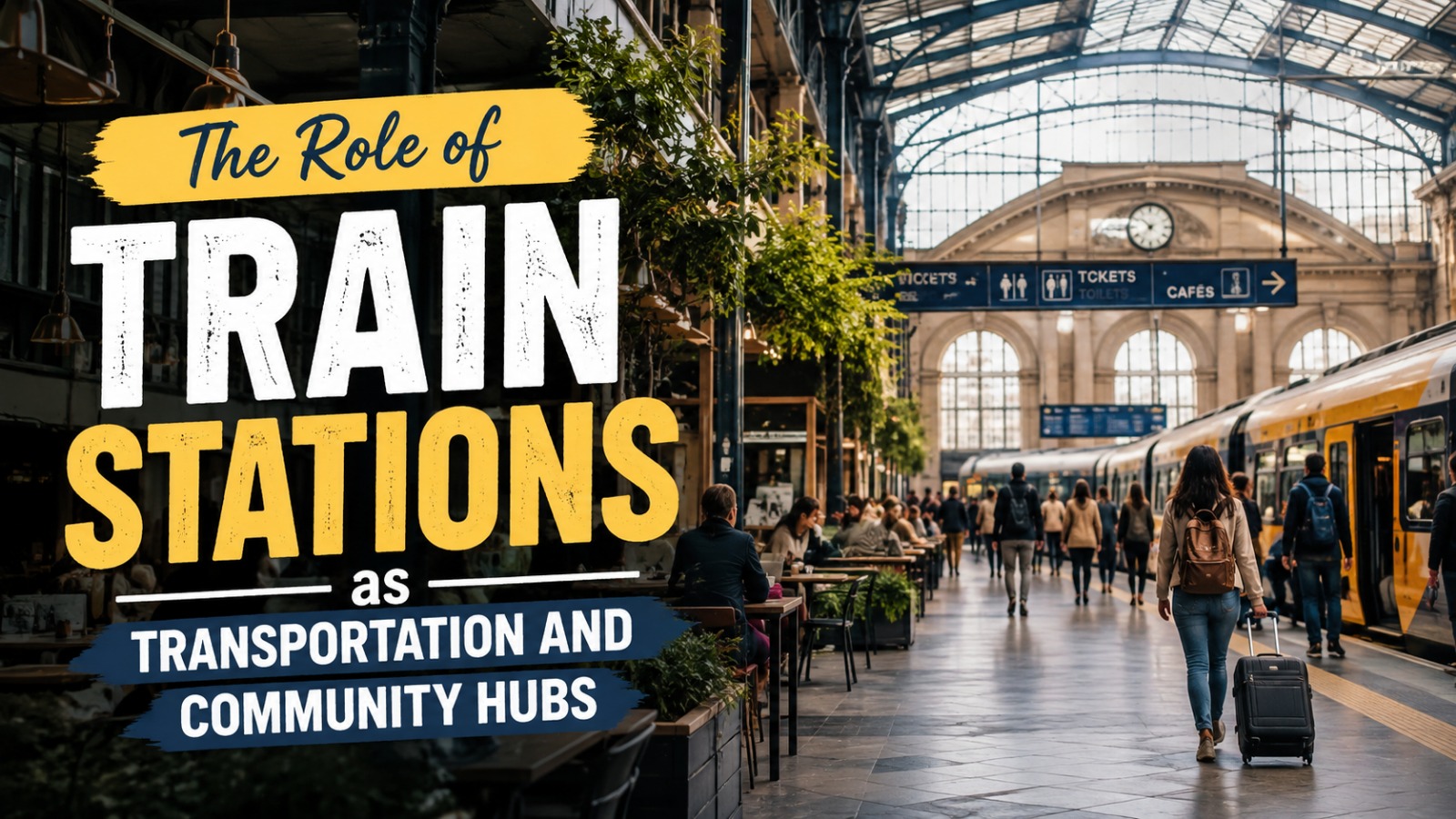
Train stations have traditionally been viewed as places where passengers board and leave trains. However, modern stations have developed into much more important spaces that connect transportation, businesses, public services, and communities. They can serve as central points where people move between different transportation modes and access various services. In growing cities, a well-designed station can become an important part of everyday community life. This broader role makes train stations valuable beyond their basic railway function.
TRAIN STATIONS AS TRANSPORTATION HUBS
A train station functions as a transportation hub when it connects railway services with other modes of transportation. Passengers may transfer between trains, buses, taxis, bicycles, ride-hailing services, and other mobility options. Effective connections make it easier for people to complete journeys that involve multiple transportation modes. This is especially important in large urban areas where passengers frequently travel between different parts of a city.
Good transportation integration requires more than placing different services near each other. Stations need clear signs, safe pedestrian routes, convenient transfer areas, and reliable travel information. Integrated transportation can reduce transfer times and make journeys more predictable. When different services work together effectively, passengers can move through the transportation network more efficiently.
CONNECTING PEOPLE WITH COMMUNITIES
Train stations can help connect communities that are separated by distance. Railway services allow residents to travel between neighborhoods, towns, and cities for work, education, healthcare, and social activities. This connection is particularly valuable for people who do not own private vehicles. Reliable train services can provide greater mobility opportunities for different groups of residents.
Stations can also become meeting points for people from different areas. Passengers may use station facilities before traveling, meeting friends, or accessing local services. The station can therefore become a familiar part of community life. Transportation accessibility can strengthen relationships between communities and provide people with greater access to opportunities.
SUPPORTING LOCAL BUSINESSES
Busy train stations can create strong opportunities for local businesses. Shops, cafés, restaurants, convenience stores, hotels, and other services may operate near or inside stations. These businesses benefit from the regular flow of passengers and visitors. A well-managed commercial environment can provide useful services while contributing to the local economy.
Small businesses can also benefit from station-related pedestrian activity. Passengers may purchase food before traveling, buy daily necessities, or visit nearby shops while waiting for their trains. This can create additional income opportunities for local entrepreneurs. Station activity can stimulate surrounding commercial development when it is supported by appropriate planning.
PROVIDING COMMUNITY SERVICES
Modern stations can provide more than transportation and commercial facilities. Depending on their size and location, they may include public information services, healthcare facilities, prayer spaces, rest areas, customer service centers, or community-oriented facilities. These services can make stations more useful to residents and visitors. Providing multiple services in one location can save time and improve convenience.
Community facilities should be designed to serve a wide range of users. Elderly passengers, families with children, people with disabilities, and travelers carrying luggage may have different needs. Accessible design can make the station more inclusive. A community-friendly station should consider both transportation requirements and the everyday needs of its users.
SUPPORTING URBAN DEVELOPMENT
Train stations can influence the development of surrounding neighborhoods. Areas near stations may attract offices, housing, restaurants, retail businesses, and public facilities because of their accessibility. This can create more active urban areas and encourage development around public transportation. However, development should be carefully planned to avoid excessive congestion and other negative effects.
One planning approach is transit-oriented development, which encourages compact and mixed-use development around transportation hubs. Pedestrian-friendly streets, public spaces, and connections to other transportation services can make station areas more accessible. Integrated urban planning can help ensure that station development benefits both passengers and local communities. This can create more connected and functional neighborhoods.
ENCOURAGING WALKING AND CYCLING
A community-oriented train station should be easy to reach without a private car. Safe sidewalks, pedestrian crossings, bicycle lanes, and secure bicycle parking can encourage walking and cycling. These options can provide affordable connections between stations and nearby neighborhoods. They can also support healthier and more environmentally friendly travel habits.
Pedestrian access is particularly important for stations located near residential and commercial areas. Passengers are more likely to use public transportation when the first and last parts of their journey are convenient. Good walking and cycling infrastructure can therefore strengthen the entire transportation network. Last-mile connectivity is an important part of creating successful community hubs.
USING TECHNOLOGY TO CONNECT COMMUNITIES
Technology can improve how people interact with modern train stations. Mobile applications, digital ticketing, real-time information, and smart wayfinding systems can make transportation easier to understand. Passengers can check train schedules, plan transfers, and receive updates through digital platforms. These tools can make the station more efficient and accessible.
Technology can also support station management and community services. Digital systems can help operators monitor passenger flows, manage facilities, and respond to operational problems. However, not every passenger has the same level of digital access or confidence. Technology should complement human assistance, ensuring that traditional information and support remain available when needed.
CREATING SAFE AND INCLUSIVE PUBLIC SPACES
A station can become a valuable community space when it is designed to feel safe, accessible, and welcoming. Good lighting, clear signs, clean facilities, security systems, and well-maintained public areas can improve the environment. Comfortable waiting areas can provide useful spaces for passengers before or after their journeys. These features can also make stations more attractive to nearby residents.
Inclusivity is equally important. Facilities should accommodate people with different ages, physical abilities, and travel needs. Elevators, ramps, tactile paths, priority seating, and accessible toilets can improve usability. Universal accessibility ensures that transportation hubs can serve as many members of the community as possible.
SUPPORTING REGIONAL ECONOMIC ACTIVITY
Train stations can contribute to regional economic development by connecting people with employment, education, tourism, and business opportunities. Improved transportation access can make it easier for workers to reach jobs and for businesses to attract customers. Visitors can also use railway services to reach cultural and recreational destinations. This creates economic connections that extend beyond the station itself.
A successful station can therefore become a catalyst for surrounding development. However, economic growth should be balanced with the interests of existing communities. Affordable services, accessible public transportation, and thoughtful urban planning can help distribute benefits more fairly. Inclusive economic development should be an important goal of major station projects.
THE FUTURE OF COMMUNITY TRAIN STATIONS
Future train stations are likely to become increasingly integrated with the communities they serve. They may combine smart transportation, commercial services, public facilities, green spaces, and community activities in one connected environment. Sustainable design can also reduce environmental impacts while improving passenger comfort. These changes can make stations more useful throughout the day rather than only when trains arrive.
The future station should focus on people as well as transportation. Cooperation between railway operators, governments, businesses, and local communities can help ensure that station development responds to real needs. Community-centered planning can create transportation hubs that remain useful for many years. In this way, stations can become important foundations for connected and sustainable communities.
CONCLUSION
Train stations can serve as both transportation hubs and community hubs, connecting people with railway services, businesses, public facilities, and surrounding neighborhoods. Their role can include supporting local economies, encouraging sustainable mobility, improving accessibility, and providing useful community services. Effective planning is essential to ensure that station development benefits both passengers and local residents. As cities continue to grow, stations will likely become increasingly integrated into everyday community life. A successful train station is not only a place to catch a train but also a connected space that supports the wider needs of society.
About the Author
Gusti Ayu Tita P
Author — STEKOM University
An active author focused on academic issues, educational technology, and human resource development in the campus environment.















