The Role of Waste Banks in Creating a Clean and Healthy Environment
Gusti Ayu Tita P
20 Agustus 2026
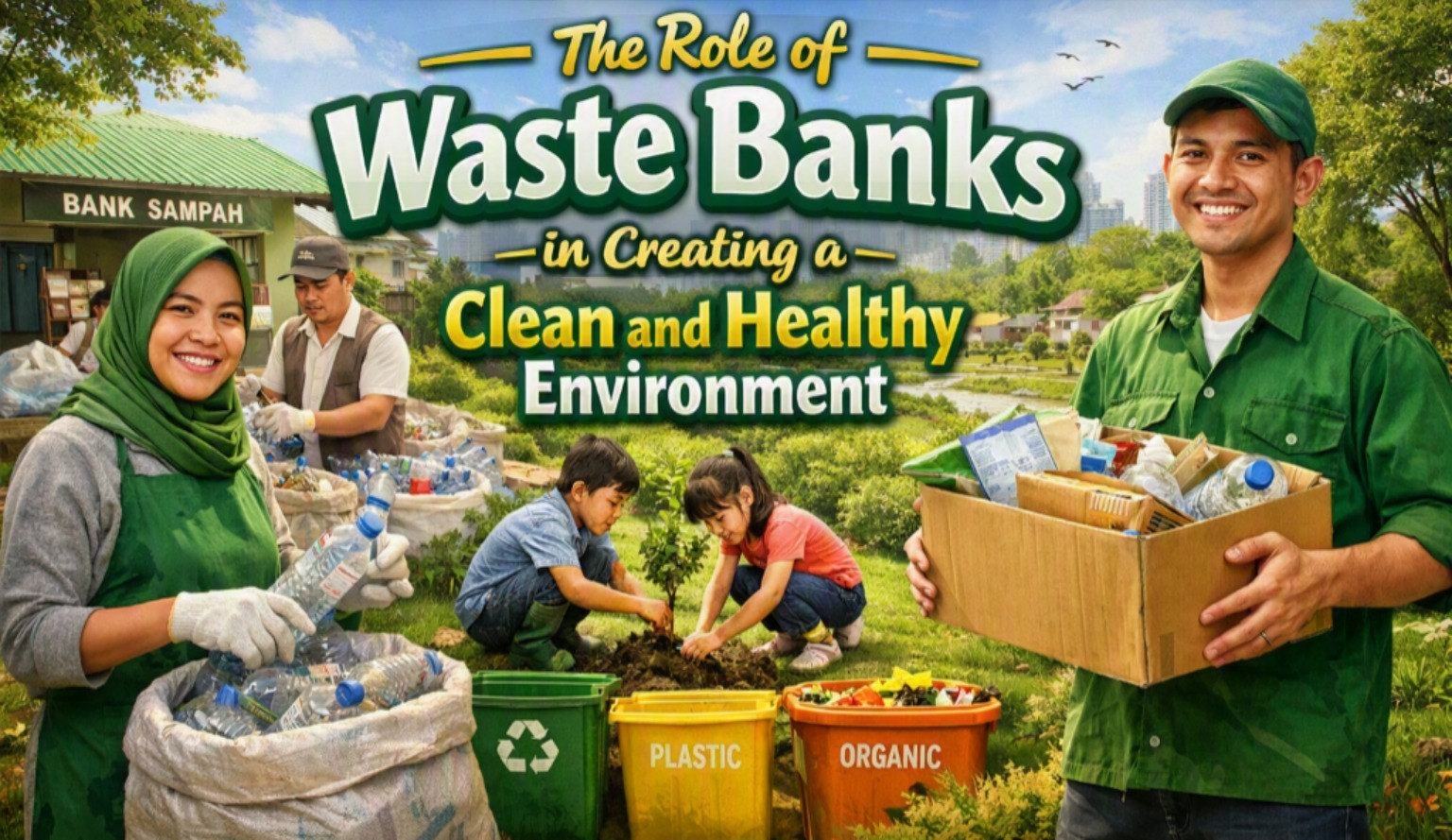
Waste management is an important part of creating a clean, healthy, and comfortable environment. As the amount of household waste continues to increase, communities need practical ways to reduce the amount of waste that ends up in landfills. One approach that can help is the development of waste banks, where residents can collect and sort recyclable materials before they are processed or sold.
Waste banks are not only about collecting waste. They can also encourage people to develop responsible waste management habits, understand the value of recyclable materials, and participate in protecting their surroundings. When managed properly, waste banks can provide environmental, social, and economic benefits for local communities.
WHAT IS A WASTE BANK?
A waste bank is a community-based waste management system that collects and sorts recyclable materials from households or other sources. Residents usually separate valuable recyclable waste, such as plastic bottles, cardboard, paper, and metal, before bringing it to the waste bank. The collected materials are then sorted, recorded, stored, and transferred to recycling partners or buyers. This system helps prevent recyclable materials from being mixed with other waste and sent directly to landfills.
Waste banks also promote community participation in waste management. People can learn that some materials commonly considered useless still have economic or recycling value. Depending on the local system, residents may receive money, savings, or other benefits based on the recyclable materials they deposit. This approach makes waste management more participatory and encourages households to sort waste at its source.
REDUCING THE AMOUNT OF WASTE SENT TO LANDFILLS
One of the main roles of waste banks is to reduce the volume of recyclable waste sent to landfills. When paper, plastic, metal, and other recyclable materials are separated, they can enter recycling or recovery systems instead of becoming part of mixed municipal waste. This can help extend the useful capacity of landfill facilities and reduce pressure on waste disposal systems. Waste banks therefore support the broader goal of waste reduction and resource recovery.
However, waste banks are not a complete solution to all waste problems. Their effectiveness depends on proper sorting, consistent collection, adequate storage, reliable recycling channels, and active community participation. Waste that cannot be recycled still needs to be managed safely through appropriate municipal waste services. For this reason, waste banks work best as part of an integrated waste management system.
ENCOURAGING WASTE SORTING AT HOME
Waste banks can help build the habit of sorting waste at its source. Instead of placing all waste into one container, households can separate recyclable materials from organic and residual waste. This simple practice makes recyclable materials easier to recover and can reduce contamination that lowers their recycling value. Regular sorting can also make families more aware of how much waste they produce each day.
Education is an important part of this process. Waste bank managers can provide information about recyclable materials, proper sorting, and responsible disposal. Children and young people can also be involved through environmental education and community activities. When waste sorting becomes a routine habit, communities can gradually develop a stronger culture of environmental responsibility.
SUPPORTING A CLEANER AND HEALTHIER ENVIRONMENT
Poorly managed waste can create unpleasant odors, attract pests, block drainage channels, and contribute to environmental pollution. Waste banks can help address some of these problems by encouraging residents to collect and manage recyclable waste properly. Cleaner surroundings can contribute to a more comfortable living environment and reduce the presence of scattered waste in public areas. Proper waste management also supports healthier community conditions.
The benefits become stronger when waste banks operate alongside regular waste collection, sanitation, and environmental education. Residents still need to manage organic waste, hazardous household waste, and other materials that should not enter ordinary recycling streams appropriately. Therefore, waste banks should be viewed as one component of a wider environmental management strategy rather than a single solution.
PROVIDING ECONOMIC VALUE FROM RECYCLABLE WASTE
Another important role of waste banks is creating economic value from recyclable materials. Materials that might otherwise be discarded can be collected, sorted, and sold through appropriate recycling networks. For participating households, this can provide a small financial benefit while encouraging better waste sorting practices. At the community level, waste banks can also create activities related to collection, sorting, administration, and recycling.
The economic benefits depend on material prices, operational costs, collection efficiency, and market access. Not every type of waste has the same value, and some materials may have little or no commercial value. A well-managed waste bank therefore needs transparent records, appropriate storage, reliable buyers, and realistic financial planning. Economic incentives can support participation, but environmental awareness remains essential for long-term success.
BUILDING COMMUNITY PARTICIPATION
Waste banks can strengthen community cooperation because their activities often involve households, community organizations, schools, local authorities, and recycling businesses. Residents can participate by sorting waste, depositing recyclable materials, joining educational activities, or helping with collection and administration. Such cooperation creates a shared responsibility for maintaining the local environment. It also makes waste management more visible as a community issue rather than an individual problem.
Strong participation requires clear rules, consistent services, good communication, and trustworthy management. Communities are more likely to remain involved when they understand how the system works and can see its environmental or economic benefits. Regular campaigns, training, and reporting can help maintain public interest. With sustained participation, waste banks can become an important part of local environmental initiatives.
WASTE BANKS AND SUSTAINABLE LIVING
Waste banks support several principles of sustainable living, particularly waste reduction, reuse, recycling, and responsible consumption. By separating recyclable materials, communities can help return valuable resources to productive use. This contributes to a more circular approach in which materials are kept in use for as long as practical instead of being discarded after a single use. Waste banks can therefore help introduce sustainability concepts through everyday community activities.
Nevertheless, recycling should not replace efforts to reduce waste generation in the first place. People can make a greater environmental contribution by avoiding unnecessary products, choosing reusable items, reducing single-use materials, and purchasing products thoughtfully. Waste banks become more effective when they are combined with these practices. Together, these actions can support a more responsible and sustainable waste management culture.
HOW COMMUNITIES CAN MAKE WASTE BANKS MORE EFFECTIVE?
Communities can improve waste bank performance by establishing clear collection schedules and sorting guidelines. Waste bank managers should also maintain accurate records of incoming materials, sales, operational costs, and participant accounts where applicable. Training members to recognize different recyclable materials can improve the quality of collected waste. Partnerships with reliable recycling companies or material buyers are also important for maintaining a stable outlet for recyclable materials.
Technology can provide additional support through digital records, communication platforms, and educational campaigns. Local governments and community organizations can contribute through training, infrastructure support, public education, and coordination with formal waste management services. The most important factor is consistency because a waste bank needs regular participation and reliable operations to create lasting results. When environmental goals, community involvement, and sound management work together, waste banks can have a stronger positive impact.
CONCLUSION
Waste banks play an important role in improving community waste management and encouraging responsible environmental behavior. They help separate recyclable materials, reduce the amount of recoverable waste sent to landfills, and create opportunities to recover economic value from discarded materials. More importantly, waste banks can build awareness and encourage households to take an active role in keeping their surroundings clean.
A successful waste bank requires more than collecting recyclable materials. It needs community participation, proper sorting, reliable recycling partnerships, good management, and continuous environmental education. When combined with waste reduction, reuse, composting, and appropriate municipal waste services, waste banks can contribute significantly to a cleaner and healthier environment.
About the Author
Gusti Ayu Tita P
Author — STEKOM University
An active author focused on academic issues, educational technology, and human resource development in the campus environment.