The Secret to Increasing Employee Loyalty Through Effective Training Programs
Gusti Ayu Tita P
20 Oktober 2026
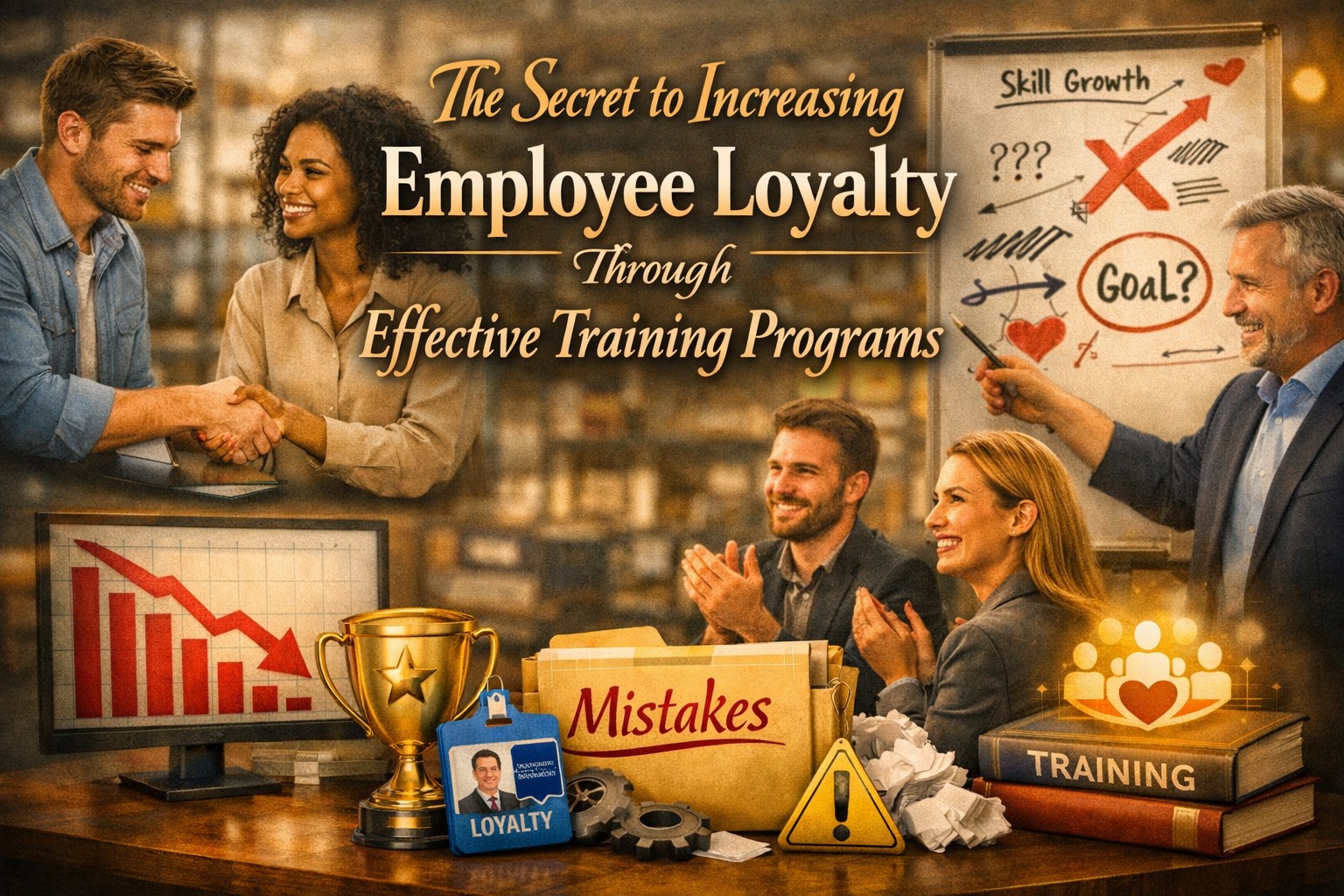
Employee loyalty is one of the most valuable assets a company can have. Loyal employees tend to be more productive, committed, and motivated to contribute to long-term business success. In today's competitive business environment, organizations must find effective ways to retain talented workers and reduce employee turnover. One of the most powerful strategies is implementing effective training programs that support both professional and personal growth.
Training is not only about improving technical skills. It also demonstrates that a company values its workforce and is willing to invest in their future. When employees feel appreciated and supported, they are more likely to develop a strong connection with the organization. As a result, employee loyalty, employee retention, and overall workplace performance can improve significantly.
WHY EMPLOYEE TRAINING INFLUENCES LOYALTY
Employees want opportunities to learn, grow, and advance in their careers. When organizations provide regular employee training and development opportunities, workers feel that their future is important to the company. This creates a sense of trust and commitment that strengthens the relationship between employees and management.
In addition, training helps employees gain confidence in their abilities. When individuals feel competent and capable of performing their tasks effectively, job satisfaction increases. Higher satisfaction often leads to stronger employee engagement and a greater willingness to remain with the company for the long term.
CREATING A CULTURE OF CONTINUOUS LEARNING
Companies that prioritize learning create an environment where employees are encouraged to improve their knowledge and skills continuously. A strong learning culture helps employees stay updated with industry trends, technological advancements, and changing business requirements. This makes them feel more valuable and prepared for future challenges.
Furthermore, continuous learning demonstrates that career development is an ongoing process rather than a one-time event. Employees who see clear opportunities for growth are less likely to seek employment elsewhere. As a result, organizations can strengthen workforce development while building long-term loyalty among their teams.
PROVIDING CAREER DEVELOPMENT OPPORTUNITIES
One of the most effective ways to increase loyalty is by connecting training programs with career advancement opportunities. Employees are more motivated when they understand how learning new skills can help them achieve promotions or leadership positions. Clear career pathways encourage individuals to stay committed to organizational goals.
Training programs that focus on leadership, communication, problem-solving, and management skills can prepare employees for future responsibilities. This investment shows that the company believes in its employees' potential. Such support often leads to stronger employee retention and increased dedication to the organization.
IMPROVING EMPLOYEE CONFIDENCE AND JOB SATISFACTION
Employees who receive proper training often perform their duties more efficiently and accurately. Better performance reduces workplace stress and allows employees to feel more confident in handling challenges. Confidence plays a crucial role in creating a positive work experience.
At the same time, training can eliminate feelings of uncertainty that may arise when employees face new responsibilities. When workers feel equipped with the necessary skills and knowledge, they are more satisfied with their jobs. Higher satisfaction naturally contributes to stronger employee loyalty and long-term commitment.
ENCOURAGING STRONGER EMPLOYEE ENGAGEMENT
Engaged employees are more likely to contribute innovative ideas, collaborate effectively, and support company objectives. Training programs can increase engagement by encouraging active participation and personal development. Employees become more connected to their work when they see opportunities to improve themselves.
Additionally, interactive training sessions help employees build stronger relationships with colleagues and managers. These positive connections create a sense of belonging within the organization. A supportive workplace environment can significantly strengthen both employee engagement and loyalty.
MEASURING THE SUCCESS OF TRAINING PROGRAMS
Organizations should regularly evaluate the effectiveness of their training initiatives. Measuring employee performance, productivity, engagement levels, and retention rates can help determine whether training programs are delivering positive results. Data-driven evaluations allow companies to make improvements where necessary.
Employee feedback is equally important. Listening to employee opinions helps organizations understand which training methods are most beneficial. Continuous improvement ensures that training programs remain relevant, effective, and aligned with business goals while supporting long-term employee loyalty.
CONCLUSION
The secret to increasing employee loyalty lies in creating meaningful and effective training programs that support employee growth and development. By investing in employee training, promoting workforce development, enhancing employee engagement, and providing clear career advancement opportunities, companies can build a loyal and motivated workforce.
Organizations that prioritize learning not only improve employee performance but also strengthen trust, satisfaction, and commitment. In the long run, effective training programs become a powerful tool for improving employee retention, reducing turnover, and achieving sustainable business success.
About the Author
Gusti Ayu Tita P
Author — STEKOM University
An active author focused on academic issues, educational technology, and human resource development in the campus environment.