
The Supernatural World and Its Influence on Horror Stories
Gusti Ayu Tita P
9 September 2026
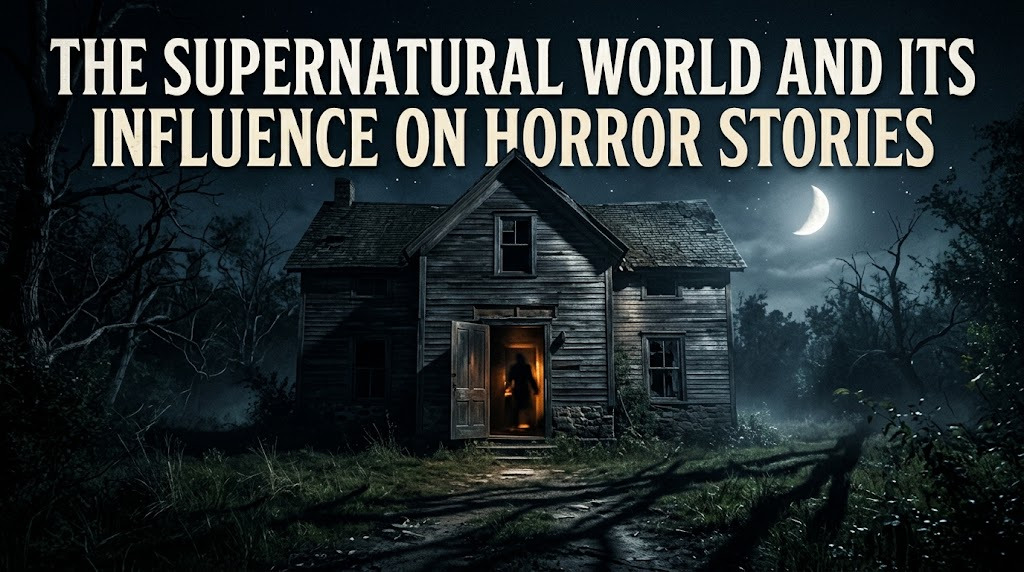
The supernatural world has played an important role in the development of horror stories across different cultures. Ghosts, spirits, mysterious creatures, haunted locations, and unexplained events often become central elements in frightening narratives. These ideas allow writers and filmmakers to create situations that challenge ordinary explanations and stimulate the audience's imagination. In Indonesia, supernatural folklore provides many characters and legends that can inspire horror entertainment. Although fictional horror should not automatically be treated as evidence of supernatural events, its cultural influence remains significant.
THE CONNECTION BETWEEN THE SUPERNATURAL AND HORROR
The supernatural and horror are closely connected because both involve the unknown, uncertainty, and fear. Horror stories often introduce events that appear to go beyond normal human experience. A mysterious sound, strange figure, or unexplained disappearance can immediately create tension within a narrative. The supernatural gives storytellers a way to introduce threats that cannot always be understood through ordinary logic. This uncertainty can make audiences feel more curious and emotionally involved.
Supernatural elements can also make familiar environments feel frightening. An ordinary house, empty road, forest, or abandoned building can become terrifying when a story associates it with a mysterious presence. Changing the meaning of familiar places is an effective way to create psychological tension. Audiences may begin to imagine danger in places that would normally feel safe. This demonstrates how supernatural ideas can transform ordinary situations into powerful horror experiences.
SUPERNATURAL CREATURES AS HORROR CHARACTERS
Supernatural creatures are among the most recognizable elements in horror storytelling. Indonesian folklore contains many legendary figures that have been adapted into novels, films, television programs, and digital content. Characters such as kuntilanak, pocong, genderuwo, and wewe gombel are familiar examples in Indonesian popular culture. Their characteristics may differ between traditional stories and modern adaptations. This flexibility allows creators to reinterpret them for different audiences.
A supernatural creature can represent more than a frightening character. It may symbolize death, danger, loneliness, guilt, social fears, or the consequences of certain actions. Writers can use these symbolic meanings to give a horror story greater depth. A creature may also be connected to a specific cultural tradition or historical narrative. Therefore, studying supernatural characters can reveal both entertainment purposes and cultural influences.
HAUNTED PLACES AND ATMOSPHERIC FEAR
Horror stories frequently use haunted places to establish an unsettling atmosphere. Abandoned houses, old buildings, cemeteries, forests, caves, and isolated roads can become settings for supernatural narratives. The lack of people and unfamiliar surroundings can increase feelings of vulnerability. When combined with darkness, silence, strange sounds, or unexpected movement, these locations can create strong suspense. The setting itself becomes an important part of the horror experience.
However, the reputation of a place as haunted does not prove that supernatural activity actually occurs there. Natural sounds, poor lighting, wildlife, weather, architecture, and human expectations can influence how a location is perceived. Horror fiction may also exaggerate real locations to make them more dramatic. Understanding this distinction is important when discussing mysterious places. People can appreciate the atmosphere and folklore without presenting fictional elements as verified facts.
THE ROLE OF FOLKLORE IN HORROR STORYTELLING
Folklore provides a rich source of material for horror writers. Traditional stories contain characters, warnings, rituals, mysterious locations, and cultural beliefs that can be transformed into modern narratives. In Indonesia, regional legends provide creators with diverse ideas for developing supernatural horror. These stories may also preserve elements of local culture that might otherwise become less familiar to younger audiences. Horror entertainment can therefore contribute to the continued popularity of traditional folklore.
At the same time, adaptation can change the original meaning of a traditional story. Modern horror productions often add fictional details, dramatic effects, and new interpretations to attract audiences. A character's appearance or behavior in a movie may therefore be very different from its traditional representation. Viewers should recognize the difference between cultural folklore and creative adaptation. This helps preserve respect for the original tradition while allowing storytellers to develop new forms of entertainment.
PSYCHOLOGY OF FEAR IN SUPERNATURAL HORROR
The effectiveness of supernatural horror is strongly connected to human psychology. People naturally pay attention to uncertain or potentially threatening situations because uncertainty can signal danger. Horror stories use this response by delaying explanations and allowing audiences to imagine what might happen next. Suspense, darkness, silence, and unexpected sounds can intensify emotional reactions. The supernatural adds another layer because the threat may appear impossible to predict.
Personal expectations can also influence how people respond to frightening stories. Someone who already believes in ghosts or supernatural beings may interpret a horror scene differently from someone who views it entirely as fiction. Culture, previous experiences, imagination, and personal beliefs can all influence emotional reactions. This explains why the same horror story may seem terrifying to one person but less frightening to another. Understanding these psychological factors helps explain the lasting popularity of supernatural horror.
SUPERNATURAL HORROR IN MODERN MEDIA
Modern media has significantly expanded the influence of the supernatural world on horror entertainment. Movies, streaming platforms, television series, novels, podcasts, video games, and social media all provide spaces for supernatural storytelling. Digital technology allows creators to use visual effects, sound design, and editing techniques to make supernatural scenes more convincing. Traditional legends can therefore reach audiences far beyond their original communities. This has helped supernatural horror become an important part of contemporary entertainment.
Social media has also changed how supernatural stories are shared. Short videos, personal accounts, paranormal discussions, and fictional storytelling can spread rapidly online. However, audiences should be careful because dramatic content may combine real locations, staged events, fictional narratives, and unsupported claims. Popularity does not necessarily indicate authenticity. Critical thinking and media awareness are useful when consuming supernatural content online.
CONCLUSION
The supernatural world has had a lasting influence on horror stories by providing mysterious characters, unexplained events, frightening settings, and powerful themes. Supernatural creatures and local legends give storytellers opportunities to explore fear while also incorporating cultural traditions. In Indonesia, folklore continues to inspire modern horror films and other forms of entertainment. Psychology also helps explain why audiences remain attracted to stories involving uncertainty and the unknown.
The relationship between supernatural beliefs and horror entertainment should be viewed from both cultural and critical perspectives. Traditional stories can be valuable expressions of community history and imagination, while modern adaptations can transform them into engaging fictional experiences. At the same time, fictional representations and personal claims should not automatically be considered scientific evidence. By understanding the difference between Supernatural Beliefs, Horror Stories, Indonesian Folklore, Haunted Places, Supernatural Creatures, and Cultural Traditions, readers can enjoy supernatural horror while appreciating its broader cultural meaning.
About the Author
Gusti Ayu Tita P
Author — STEKOM University
An active author focused on academic issues, educational technology, and human resource development in the campus environment.















