
The Ultimate Guide to Understanding Toxic Positivity for Better Mental Well-Being
Gusti Ayu Tita P
31 Juli 2026
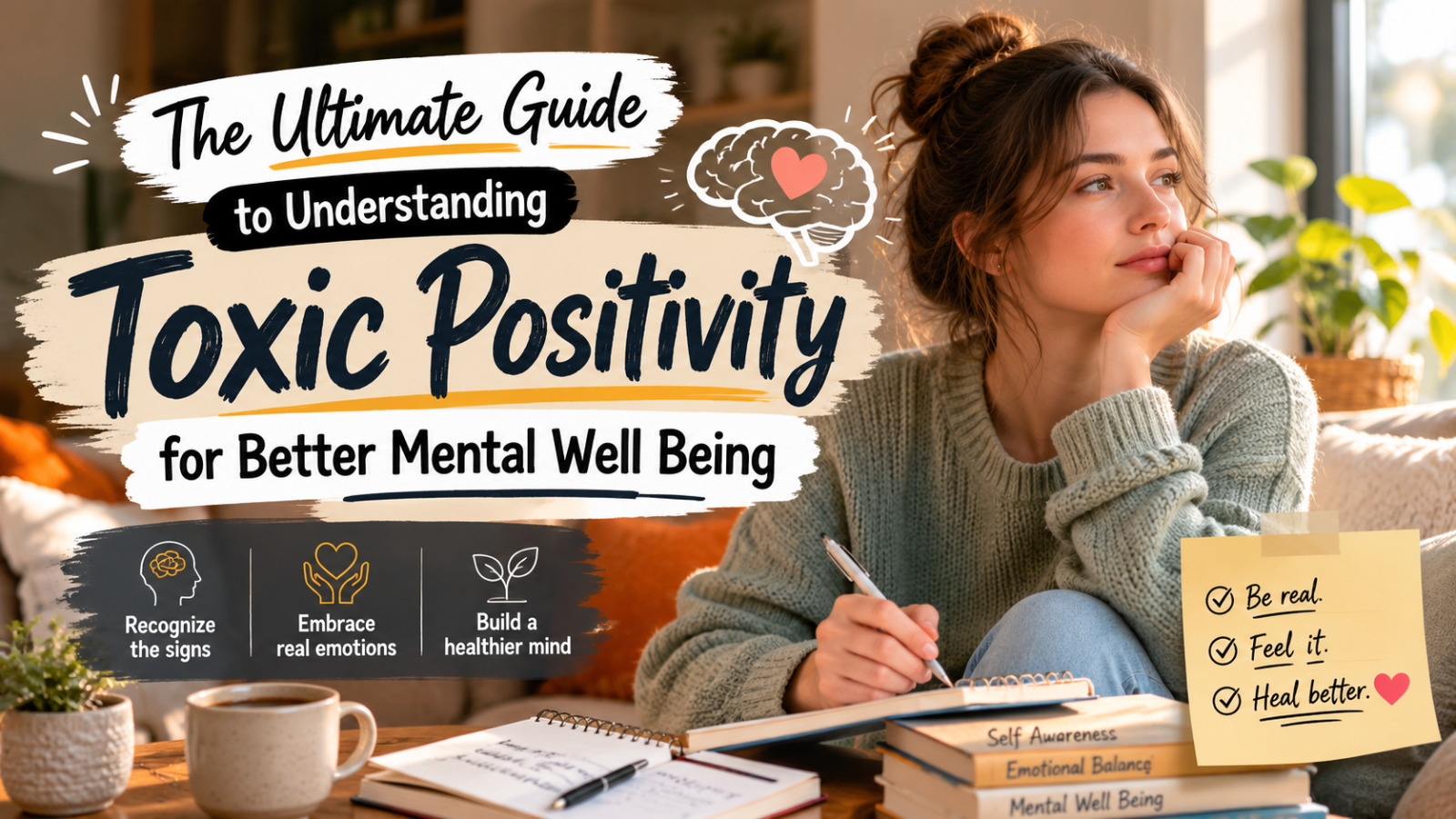
In today's fast-moving world, many people are encouraged to stay positive no matter what happens. While optimism is generally healthy, forcing positive thinking in every situation can become harmful. This behavior is known as toxic positivity, and it often causes people to ignore or suppress their real emotions. Learning about this concept is the first step toward achieving better mental well-being and building healthier relationships. This guide explains everything you need to know about toxic positivity, why it matters, and how to develop a healthier emotional mindset.
WHAT IS TOXIC POSITIVITY?
Toxic positivity is the belief that people should always maintain a positive attitude, even during painful or stressful experiences. It encourages individuals to hide emotions such as sadness, anger, fear, or disappointment instead of accepting them as normal parts of life. Common phrases like "Just stay positive", "Everything happens for a reason," or "Don't think negatively" may sound supportive, but they often dismiss genuine feelings.
Real emotional health comes from acknowledging every emotion instead of pretending everything is fine. Positive thinking is valuable when it is balanced with honesty and self-awareness. Accepting difficult emotions allows people to process challenges naturally and move forward in a healthier way.
WHY TOXIC POSITIVITY IS DANGEROUS
One major problem with toxic positivity is that it teaches people to suppress emotions rather than understand them. Emotional suppression can increase stress, anxiety, and emotional exhaustion because unresolved feelings remain hidden. Instead of healing, people may become overwhelmed over time.
Another danger is that toxic positivity creates emotional distance between people. When someone shares their struggles and receives only superficial encouragement, they may feel misunderstood or ignored. Genuine support begins with empathy, active listening, and emotional validation instead of unrealistic optimism.
COMMON SIGNS OF TOXIC POSITIVITY
There are several clear signs that someone may be experiencing or practicing toxic positivity. One common sign is avoiding conversations about painful emotions because they feel uncomfortable. Another is believing that expressing sadness makes someone weak or ungrateful.
People affected by toxic positivity often compare their problems to others and convince themselves they should not feel upset. They may also pressure friends or family members to "look on the bright side" before fully understanding the situation. Recognizing these patterns helps create healthier emotional habits.
HOW TO RESPOND TO DIFFICULT EMOTIONS
Instead of ignoring uncomfortable emotions, acknowledge them with kindness and patience. It is perfectly normal to feel disappointed, frustrated, or anxious during difficult moments. Giving yourself permission to experience these emotions is an important part of emotional healing.
Mindfulness, journaling, and talking with trusted friends are effective ways to process emotions. Rather than searching for immediate positivity, focus on understanding what your emotions are trying to communicate. This approach strengthens emotional resilience and improves overall well-being.
HEALTHY POSITIVITY VS TOXIC POSITIVITY
There is an important difference between healthy positivity and toxic positivity. Healthy positivity encourages hope while recognizing reality. It allows people to experience sadness without believing they have failed.
Toxic positivity, on the other hand, denies emotional experiences and pressures people to remain cheerful regardless of circumstances. Healthy optimism includes compassion, acceptance, and emotional honesty. This balanced approach supports long-term mental wellness instead of temporary emotional avoidance.
PRACTICAL TIPS FOR BETTER MENTAL WELL-BEING
Improving mental well-being starts with accepting every emotion without judgment. Practice self-compassion by speaking to yourself with kindness during difficult times. Remember that emotional struggles are part of being human and do not define your worth.
Build supportive relationships with people who respect your feelings and encourage honest communication. Make time for healthy habits such as regular exercise, quality sleep, balanced nutrition, and relaxation techniques. If emotional challenges become overwhelming, seeking professional support is a positive and responsible decision.
CONCLUSION
Understanding toxic positivity helps people develop healthier emotional habits and stronger relationships. Instead of hiding difficult feelings, embrace emotional honesty and self-awareness. Mental well-being grows when both positive and negative emotions are accepted as natural parts of life. By practicing empathy, self-compassion, and balanced optimism, you can create a healthier mindset and support both yourself and those around you.
About the Author
Gusti Ayu Tita P
Author — STEKOM University
An active author focused on academic issues, educational technology, and human resource development in the campus environment.















