
The Unique Role of the Firstborn Child in a Family
Gusti Ayu Tita P
7 September 2026
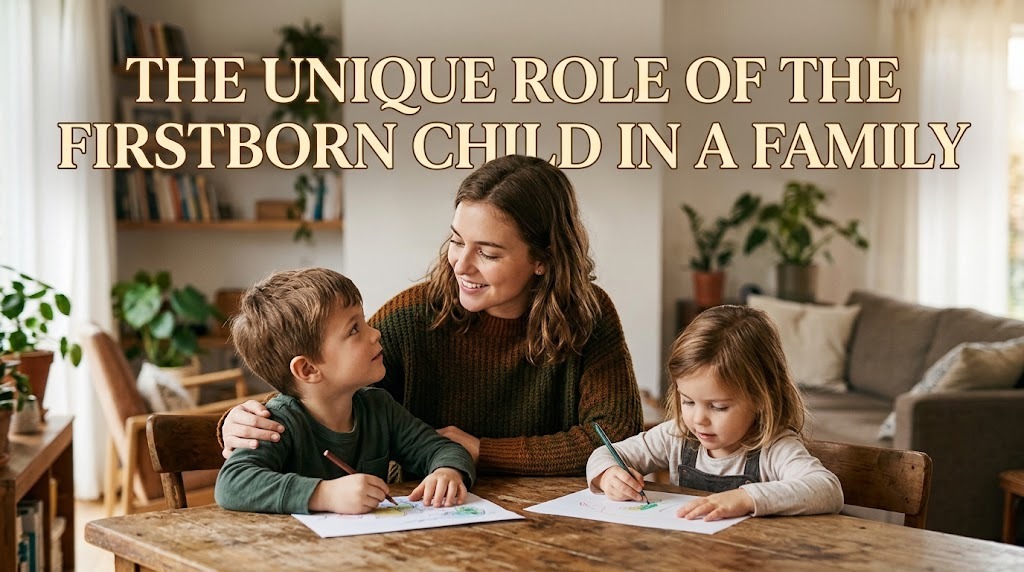
INTRODUCTION
The firstborn child often has a unique position within a family. As the first child, they may experience different parenting styles, expectations, and responsibilities compared with younger siblings. Their experiences can influence how they communicate, make decisions, and respond to family situations. In many families, the oldest child becomes an important example for younger brothers and sisters. However, being the firstborn does not mean that every child will have the same personality or experience.
The role of the oldest child can change as the family grows. Parents may rely on the firstborn to help younger siblings, while the child may also develop greater independence over time. This position can create positive qualities such as responsibility, confidence, and leadership, but it can also bring pressure. Understanding the unique role of the firstborn child can help parents and siblings build a healthier family relationship.
THE FIRSTBORN CHILD AS A FAMILY EXAMPLE
The firstborn child is often seen as an example for younger siblings. Younger children may observe how the oldest child studies, communicates with parents, handles problems, and responds to rules. Because of this position, firstborn children may become more aware of their behavior and decisions. Parents may also expect them to demonstrate good habits that younger siblings can follow. This can encourage the child to develop maturity from an early age.
However, parents should remember that the firstborn is still a child who needs guidance and freedom to make mistakes. Constantly expecting the oldest child to be perfect can create unnecessary emotional pressure. Being a role model does not mean having to be flawless. A healthy family allows the firstborn to learn through mistakes while receiving appropriate support. This approach can help the child become a positive influence without feeling responsible for everything.
RESPONSIBILITIES OF THE OLDEST CHILD
One of the most noticeable aspects of being the firstborn is having certain family responsibilities. In some households, the oldest child may help younger siblings with homework, daily activities, or simple household tasks. These responsibilities can teach useful skills such as patience, organization, communication, and problem-solving. They may also help the child understand the importance of cooperation within a family. When responsibilities are reasonable, they can contribute positively to personal development.
At the same time, responsibilities should be appropriate for the child's age and abilities. The firstborn should not be expected to replace the role of a parent or carry responsibilities that belong to adults. Too much responsibility can make a child feel stressed or unable to enjoy their childhood. Parents should provide guidance rather than transferring adult responsibilities to the oldest child. A balanced approach allows the firstborn to help the family while still having time for school, friendships, hobbies, and personal growth.
HOW THE FIRSTBORN CAN DEVELOP LEADERSHIP SKILLS
The firstborn child may have many opportunities to develop leadership skills while growing up. Helping younger siblings can teach them how to communicate instructions clearly and understand different personalities. They may also learn how to make decisions when solving everyday family problems. These experiences can strengthen confidence and encourage them to take initiative. Over time, these abilities can become useful in education, work, and social relationships.
Leadership, however, should not be confused with controlling others. A good leader knows how to listen, cooperate, and respect different opinions. Parents can encourage these qualities by allowing the firstborn to express ideas and make age-appropriate decisions. Effective leadership grows from responsibility, empathy, and communication, not simply from being the oldest. These skills can benefit the firstborn throughout different stages of life.
COMMON EXPECTATIONS AND EMOTIONAL PRESSURE
Firstborn children may sometimes face higher family expectations than their younger siblings. Parents may expect them to achieve good academic results, behave responsibly, or set a strong example. Although expectations can motivate children, excessive pressure may make them afraid of disappointing their parents. Some firstborn children may feel that they must always appear strong or capable. This can affect how openly they communicate their emotions.
Parents can reduce this pressure by recognizing that every child has different abilities and needs. The firstborn should be appreciated for personal progress rather than constantly compared with siblings or other children. Open communication can help children express stress, disappointment, or uncertainty without fear of judgment. Parents should also provide encouragement even when the child makes mistakes. With emotional support, the firstborn can understand that their value does not depend only on achievements or responsibilities.
BUILDING A HEALTHY RELATIONSHIP WITH SIBLINGS
The relationship between the firstborn and younger siblings can have an important influence on family harmony. The oldest child can become a trusted sibling, mentor, or companion as younger children grow. Simple activities such as playing together, studying, sharing experiences, and helping one another can strengthen their relationship. At the same time, disagreements are normal because siblings have different personalities and preferences. Healthy communication can help them manage conflicts without damaging their long-term relationship.
Parents also have an important role in creating a fair relationship between siblings. They should avoid placing all responsibility on the oldest child or assuming that the firstborn must always give in. Respect should exist in both directions, regardless of age. Giving each child individual attention can also reduce feelings of competition or jealousy. When siblings learn to appreciate their differences, the firstborn can have a supportive relationship with younger family members.
CONCLUSION
The firstborn child has a unique role in a family, but that role can be different in every household. Being the oldest may provide opportunities to develop responsibility, independence, communication, and leadership skills. At the same time, firstborn children can experience pressure when family expectations become too high. They need support, understanding, and the freedom to make mistakes just like their younger siblings.
Parents can help by setting reasonable responsibilities and creating open communication at home. Younger siblings can also contribute by respecting and appreciating the efforts of their oldest sibling. Ultimately, being the firstborn is not simply about carrying greater responsibility, but also about growing together with the entire family. With balanced support, the unique position of the firstborn can become a valuable part of healthy personal and family development.
About the Author
Gusti Ayu Tita P
Author — STEKOM University
An active author focused on academic issues, educational technology, and human resource development in the campus environment.















